Most woodworking beginners advice tells you what to buy.
This woodworking for beginners guide shows you what to do: how to plan, cut and build with confidence, even in a small space.
Woodworking doesn’t start with the perfect shop or tools. It starts with using what you have and deciding to begin.
I started by stacking my tools in the corner of a room and dragging them outside for every project.
Christophe,
Whether you’re still at that stage or already a little further: you’re not behind. You’re simply at the beginning of the craft.
Founder of Ash Stag Woodworking
Woodworking looks simple when you watch someone else do it.
But when you try it yourself, the questions begin: Where do I start? What tools do I need? Do I need a workshop first? What if I fail?
Those thoughts are normal. Every woodworker begins there.
This beginner woodworking page is not a list of tools or random project ideas. It is a starting point to help you understand the craft, make your first decisions with confidence and avoid the mistakes most beginners make.
We will slow things down.
You will learn how to think, how to plan and how to start woodworking with the space, tools and budget you already have. From here, you can choose your own path: build a workshop, learn your tools and techniques or make your first simple project.
Let’s dive into these woodworking tips for beginners!

– Updated on
Key Takeaways
– Why woodworking feels confusing at first and why that’s completely normal
– How to start without a big workshop, expensive tools or years of experience
– How to avoid wasting money on tools you don’t need yet
– Why mindset and small consistent steps matter more than perfect results
– Where to go next to set up a small workspace, learn core tools and build your first real project
Disclosure: At zero cost to you, I may get commissions for purchases made through links in this post. I earn from qualifying purchases as an Amazon associate. Products featured are selected based on quality, performance, and reputation, regardless of affiliate relationships.
Table of Contents
What Woodworking for Beginners Really Means
When people search for woodworking for beginners, they often expect a list of tools to buy or a set of easy projects to copy. But real woodworking doesn’t start with tools or projects. It starts with how you look at the craft.
It is not about owning a full workshop, working without mistakes or building furniture that looks like it came from a factory. It is about understanding what wood does, how your tools behave and how small skills stack over time.
A lot of beginners think they are not ready because their shop is small or their tools are basic. The truth is, most people who start woodworking have no ideal space, no expensive equipment and no idea what they are doing in the beginning. If you are wondering what you actually need to start woodworking (article under construction), that question alone means you are already closer than you think.
Myths Most Beginners Believe (and What’s Actually True)
| Myth | Reality |
|---|---|
| You need a full workshop before you begin | You can start on a small table, balcony or driveway |
| Expensive tools make you a better woodworker | Basic tools and good technique matter far more |
| Good woodworkers don’t make mistakes | They make mistakes and know how to fix or prevent them |
| You must learn everything before you start | You learn faster by doing simple projects and improving each time |
This stage of woodworking is not about perfection. It is about learning how to see, how to measure, how to correct yourself when something goes wrong. The tools will come. The skills will grow. But this part, choosing to start, is the most important step you will take.
You’re Not Late, You’re Just at the Beginning
Woodworking looks simple when someone else does it. They measure once, cut confidently and by the end of the video, there is a perfect table standing in a clean workshop.
And then you look at your own situation: no workshop, limited tools, barely any experience, and you start to wonder if you showed up too late.
You didn’t.
Every woodworker you follow started exactly where you are now. Unsure. Confused by tool names. Not knowing which project to build first. And if you’ve ever questioned whether you can start woodworking with no experience (article under construction), you’re not alone, almost everyone does at the beginning.
Feeling that way doesn’t mean you’re unprepared. It simply means you’re standing at the real starting line of the craft.
This page on how to start woodworking is here for that moment. Not to impress you with perfect builds, but to show you how to take your first steps with clarity instead of chaos, so you can stop waiting for the perfect setup and start learning one real skill at a time.
Tip: Your first ten cuts will feel wrong. That isn’t failure. That’s the beginning.
Where Beginners Actually Start (Choose Your Path)
There is no single way to begin woodworking. Some people want to build their first workbench. Others want to understand their tools before they touch wood. Some just want to make something simple that actually works.
That is why this woodworking for beginners page gives you three different ways to start, all of them valid.
| Path | Perfect for beginners who… |
|---|---|
| Set Up a Woodworking Shop | want to create a small, smart workspace before building anything |
| Learn Woodworking Tools & Techniques | want to understand tools properly and work with accuracy and safety |
| Start with Simple Woodworking Projects | want to begin by building something real, even with limited tools |
Small Space? Not a Problem.
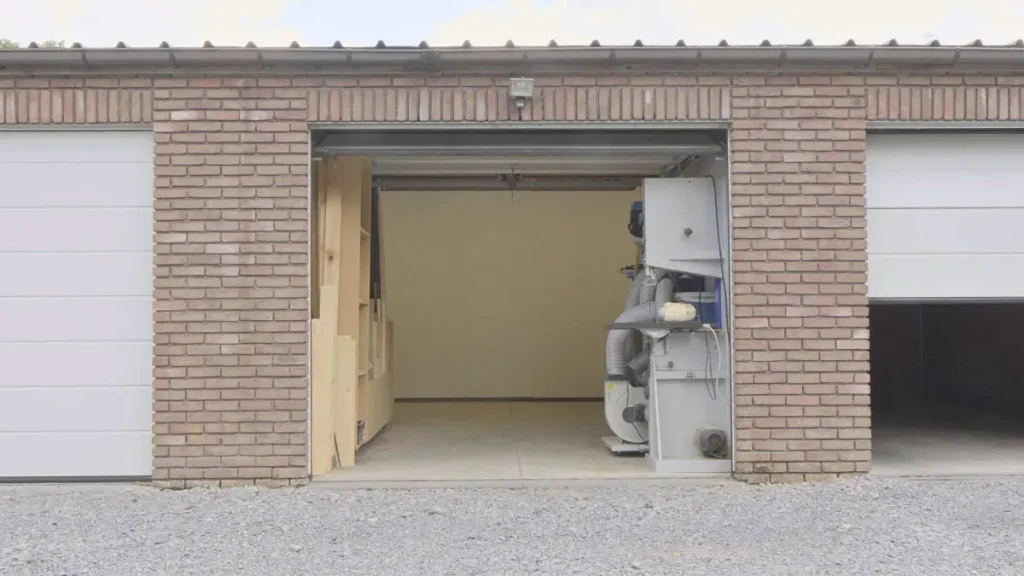
A lot of beginners wait to start woodworking because they think they need a full garage, a garden shed or a dedicated workshop. You don’t.
Many woodworkers, including professionals today, started in half of a garage, a small apartment balcony or by pulling tools out of a box and working outside when the weather allowed it. A small space is not a limitation. It simply teaches you to be organised and intentional.
If you are still wondering whether you can start without a dedicated workshop, you might find this helpful: Do you need a dedicated workshop to start woodworking? (article under construction) It shows how little you actually need to begin.
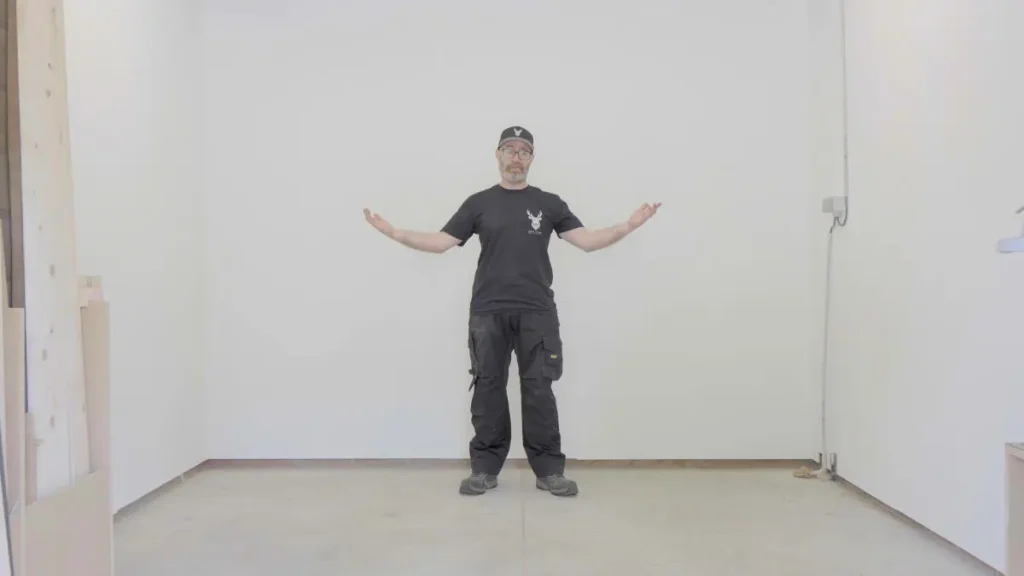
Make Any Space Work, Even a Small One
- Clear 1.5 to 2 square meters of flat space
- Keep only essential tools within reach
- Store tools vertically instead of taking up floor space
- Use a foldable table, workbench or even a pair of sawhorses
- Clean up after each session so you can set up again in minutes
Tip: A small, well-used workspace is better than a big one that is never used.
Ready to plan a real workspace step by step?
Go to Set Up a Woodworking Shop
Before You Buy Tools
One of the first beginner woodworking mistakes is thinking they need to buy lots of tools before they can begin. A full cart of tools does not make you a woodworker.
It is much better to start with the woodworking basics, learn how they work and add more tools only when a project truly requires them. This saves money, avoids frustration and teaches you to solve problems instead of buying solutions.
If you are unsure what is really necessary, you can read more here: how much does it cost to start woodworking. (article under construction)
Essential Tools vs. Tools That Can Wait
| Start With These | Add These Later |
|---|---|
| Tape measure and pencil | Table saw |
| Hand saw or jigsaw | Thickness planer |
| Drill and drill bits | Router table |
| Clamps | Band saw |
| Square and sanding block | Specialized joinery tools |
Simple Starter Setups (Budget Ideas)
| Budget | What You Can Start With |
|---|---|
| €0–€50 | Borrow tools, use hand tools, start with scrap wood |
| €100 | Drill, hand saw or jigsaw, clamps, square, sanding block |
| €250 | Add circular saw or small sander, better clamps, basic workbench |
Tip: Do not buy every tool you see in a video. Buy the tool your next project actually needs.
Curious which tools are worth getting first, and how to actually use them well? You’ll find that in the Woodworking Tools and Techniques guide.
Learn the Language (Why Terms Matter)
Every craft has its own language. Woodworking is no different.
If you have ever heard someone say “mill your boards square and rip them to width” and felt completely lost, that is normal.
You do not need to know every technical term before you start building. But knowing a few of the most common words makes tutorials easier to follow, plans less confusing and your mistakes easier to fix. Understanding the language is not about sounding smart. It is about working with confidence.
Common Terms Beginners Struggle With
| Term | What It Means |
|---|---|
| Grain | The natural direction of wood fibers |
| Rip cut | A cut that goes along the grain |
| Crosscut | A cut that goes across the grain |
| Kerf | The width of the cut made by your saw blade |
| Square | When a corner is 90 degrees and aligned properly |
If you want a simple explanation of the most important words, you can read Essential Woodworking Terms Explained. (article under construction)
Tip: Once you understand the words, woodworking videos and plans suddenly make sense.
Master the Foundations Before Big Projects
Every beginner wants to jump straight into building a workbench, cabinet or dining table. But the fastest way to get good at woodworking is not by starting big. It is by learning the simple things and doing them well.
The foundations are not exciting on their own, but they are what make every future project easier and cleaner.
Core Beginner Woodworking Skills You Should Learn First
| Skill | Why It Matters |
|---|---|
| Measure accurately | One wrong millimeter becomes a crooked project |
| Mark clearly and consistently | Prevents guesswork during cutting and assembly |
| Cut straight and square | The base of every good joint |
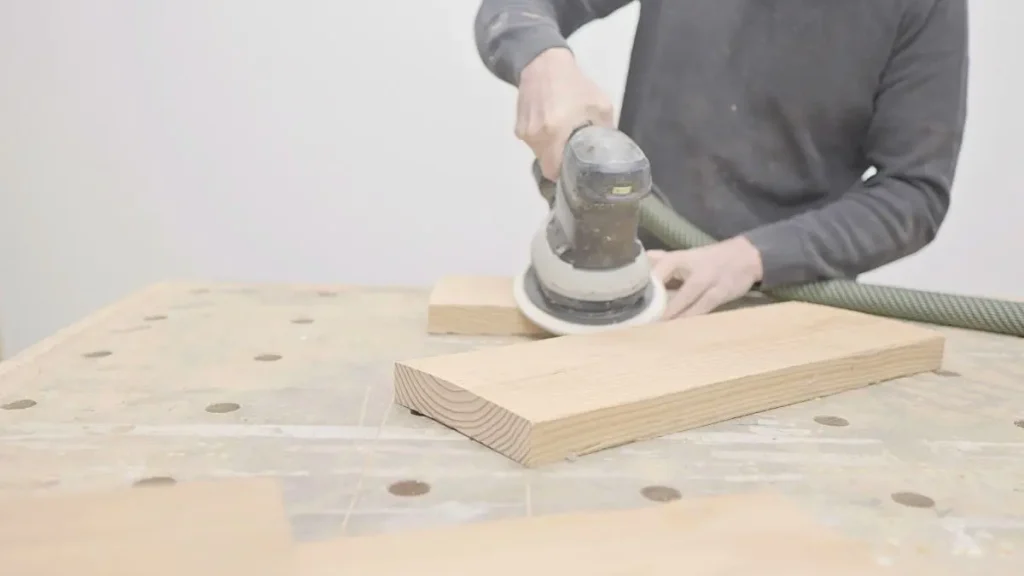
| Sand properly | Smooth surfaces, clean edges and better finishing |
| Apply glue and clamp correctly | Gives strong, aligned joints |
If you want a complete beginner-friendly walkthrough of these foundations, you can read Woodworking Basics Made Easy: The Ultimate 101 Starter Guide.
Tip: Do not try to work faster. Try to work more accurately. Speed comes later.
Build Your First Real Project
There is a point where learning stops and doing has to begin. Your first project does not need to be perfect or original. It only needs to be small, simple and real. Something that teaches you how to measure, cut, join and finish wood in your own hands, not just on a screen.
Start with something useful but manageable:
- a step stool
- a wall shelf
- a small bench
- a simple jig for your tools
It is normal if the first project takes longer than expected, or if the result is a bit uneven. What matters is that you finish it and learn from it. That is how every woodworker begins.
If you want help choosing that first build, you can explore Simple Woodworking Projects, real plans that are designed for beginners with limited tools and space.
Tip: Your first project will not be perfect. It should be finished. There is a difference.
Keep Learning Without Burning Out
Woodworking is not something you learn in a weekend. It takes time, repetition and a lot of imperfect cuts. The goal is not to become a master as fast as possible, it is to keep going long enough to get better.
You do not need full days in the workshop to make progress.
Fifteen focused minutes of cutting, sanding or marking teach you more than three hours of watching videos.
Simple Ways to Keep Moving Forward – Woodworking tips for beginners:
- Work often, even if it is short sessions
- Finish small projects instead of chasing big ones
- Allow mistakes, but learn why they happened
- Keep your space clean so you can start easily next time
- Spend more time building than scrolling or researching
Mini Checklist – Stop, Fix or Continue?
| When to Stop | When to Fix | When to Continue |
|---|---|---|
| You are tired or frustrated | A measurement is slightly off | The mistake is small and does not ruin the project |
| Tools feel unsafe or dull | A joint does not fit | You are learning something by finishing |
| You are rushing just to finish | Glue-up went wrong, but can be reset | The flaw can be corrected in the next build |
Tip: Consistency beats intensity. You become a woodworker by showing up again and again.
Where to Go Next
You have taken your first steps into woodworking for beginners.
Now it is time to choose how you want to grow: build your workspace, improve your tool skills or start making simple projects.
Here are the three main paths you can follow next:
| If you want to… | Go to | What you’ll learn |
|---|---|---|
| Build a small, smart workshop that fits your space and budget | Set Up a Woodworking Shop | How to plan, organize and create a workspace that actually works |
| Use tools with confidence, accuracy and safety | Woodworking Tools and Techniques | Learn how to work with hand and power tools the right way |
| Start building real things and learn by doing | Simple Woodworking Projects | Beginner-friendly projects that teach skills and give real results |
You don’t have to learn woodworking alone. On my YouTube channel I film real beginner woodworking projects, mistakes, fixes and the exact steps I use in my own small workshop.
If you prefer learning woodworking tips for beginners by watching someone build instead of just reading about it, you’re always welcome there.
Frequently Asked Questions
Do I need a full workshop to start woodworking?
No. Many beginners start in half a garage, a balcony or even at a foldable table. What matters is keeping things tidy, using space smartly and focusing on learning the woodworking basics before expanding.
What are the minimum tools I need as a beginner?
You can begin with a saw, drill, measuring tools, clamps and sandpaper. Add more only when a project truly requires it. Skill matters more than a long tool list.
How do I avoid wasting money when starting woodworking?
Start with small projects and borrow or buy only the tools you need for that build. Learn the woodworking basics first. Once you know how and what you like to build, your tool choices become smarter.
What is the best first woodworking project for beginners?
Choose something small and useful, like a step stool, shelf, planter box or simple jig. It should teach you one or two skills, not everything at once.
Trusted by Woodworkers Worldwide
29,000+ woodworking enthusiasts follow my journey. Over 60 real-world workshop projects completed since 2018.
Discover proven techniques to set up a woodworking shop that grows with you

Meet Christophe
Founder & Woodwork Artisan Behind Ash Stag Woodworking
Regards, Christophe