Small wooden projects can change the feel of a room faster than big builds ever do.
They are simple to start, easy to finish and perfect when you want to learn real woodworking skills without needing much space.
That is why this guide focuses on diy home accessories ideas you can actually turn into clean, useful pieces.
You will discover how to choose the right wood, how to keep designs practical and how to build accessories that look good in any room.
Most of these projects are small enough for beginners, yet they teach techniques you will use in every future build.
This chapter is part 4 in the Simple Woodworking Projects series.
Christophe,
If you’re just getting started, read the Simple Woodworking Projects guide first to follow the journey in order.
Earlier step in the journey? Go back to Outdoor and Garden Projects (Part 3).
Founder of Ash Stag Woodworking

– Updated on
Key Takeaways
– You will understand why small wooden projects are the easiest way to learn woodworking and how diy home accessories ideas help you build skills without needing a large workshop.
– You will learn which woods, tools and simple joinery methods work best for small home pieces so your projects stay clean, strong and practical.
– You will discover a range of diy home accessories ideas that you can build quickly, from small decor accents to useful gifts and everyday home items.
– You will see how these projects prepare you for more advanced builds by teaching accuracy, good habits and clean finishing techniques.
Disclosure: At zero cost to you, I may get commissions for purchases made through links in this post. I earn from qualifying purchases as an Amazon associate. Products featured are selected based on quality, performance, and reputation, regardless of affiliate relationships.
Table of Contents
Example DIY Home Accessories Ideas You’ll Find Here
Why Home Accessories Are the Perfect Beginner Projects
There is something comforting about starting small.
When you work on diy home accessories ideas, you do not need a big stack of lumber, a workshop full of machines or the pressure of building a large piece of furniture.
You work with manageable pieces of wood, simple cuts and designs that let you focus on the essentials instead of fighting complexity.
Home accessories also teach the kind of skills that carry over into every other discipline.
You learn how to read grain direction, how to make clean edges and how to bring surfaces to a smooth finish.
You start paying attention to proportions, balance and the way light falls on a shape.
These projects may be small, but they sharpen your hands and your eye in ways you feel right away.
Another advantage is the speed.
Many diy home accessories ideas can be finished in an afternoon or over a relaxed weekend.
You get the satisfaction of completing something without weeks of planning, and that quick progress keeps you motivated.
Home accessories also fit naturally in small spaces.
If your shop is a corner of a garage or a folding table in the living room, these projects give you room to grow without running out of space.
You set up quickly, clean up easily and build at a pace that feels comfortable.
Tip: If you are unsure where to begin, choose a project that solves a small problem in your home.
A place to store keys, a small shelf for plants or a simple tray for the kitchen.
When the result becomes part of your daily routine, the learning process feels even more rewarding.
Understanding What Makes a Good Home Accessory Project
A good home accessory looks simple from the outside, but there is always a bit of thought behind it.
When you explore diy home accessories ideas, you start noticing that the best pieces are the ones that solve a small need, feel pleasant to touch and look like they naturally belong in the room.
It is rarely about complexity.
It is about intention.
The Qualities That Make an Accessory Worth Building
Most successful small projects share a few characteristics.
They use clean shapes, comfortable proportions and joints that are strong without being fussy.
They combine function with a sense of calm design, and they work in more than one room.
Here is a simple overview you can use when choosing or designing a project:
| Quality | What It Means | Why It Matters |
|---|---|---|
| Clear function | You immediately understand what it does | Keeps the design focused and practical |
| Clean proportions | Nothing feels too wide, narrow or heavy | Helps the piece blend into your home |
| Simple joinery | Screws, glue blocks, small dados | Easy for beginners and strong enough for daily use |
| Safe edges | Softened or rounded corners | More pleasant to handle and safer in busy rooms |
| Stable base | The project stands solidly on its own | Prevents wobbling and unwanted tipping |
Choosing the Right Scale
Home accessories live in smaller spaces, so scale plays a bigger role than you might expect.
A tray that is an inch too wide feels awkward to carry.
A small shelf that is too deep dominates the wall instead of helping it.
Working with small pieces teaches you how to judge proportion by feel, not just by measurement.
Tip: Before cutting anything, place a piece of cardboard roughly the size of your future project in the spot where it will live.
Move it around, step back and see how it interacts with the space.
This quick test makes scaling much easier.
Design That Fits Your Style
You do not need to choose a style intentionally, but your preferences will show up in the shapes you make.
Some people lean toward crisp lines and simple geometry.
Others like a more rustic look with warmer edges and visible grain.
The beauty of working on diy home accessories ideas is that you can experiment freely.
The projects are small enough that you can try new shapes, finishes or details without feeling like you committed to something huge.
When you understand what makes a home accessory work, every project becomes more enjoyable.
You start building pieces that feel right the moment you pick them up, and that feeling tends to stay with you through every future build.
The Woods That Work Best for DIY Home Accessories
When you explore diy home accessories ideas, you will notice that small projects behave differently than large pieces of furniture.
They often use thinner stock, they rely on clean edges and they need to feel pleasant in the hand.
This makes wood choice more important than people expect.
A simple accessory can look refined or rough depending on the species you pick.
Hardwoods vs Softwoods for Small Projects
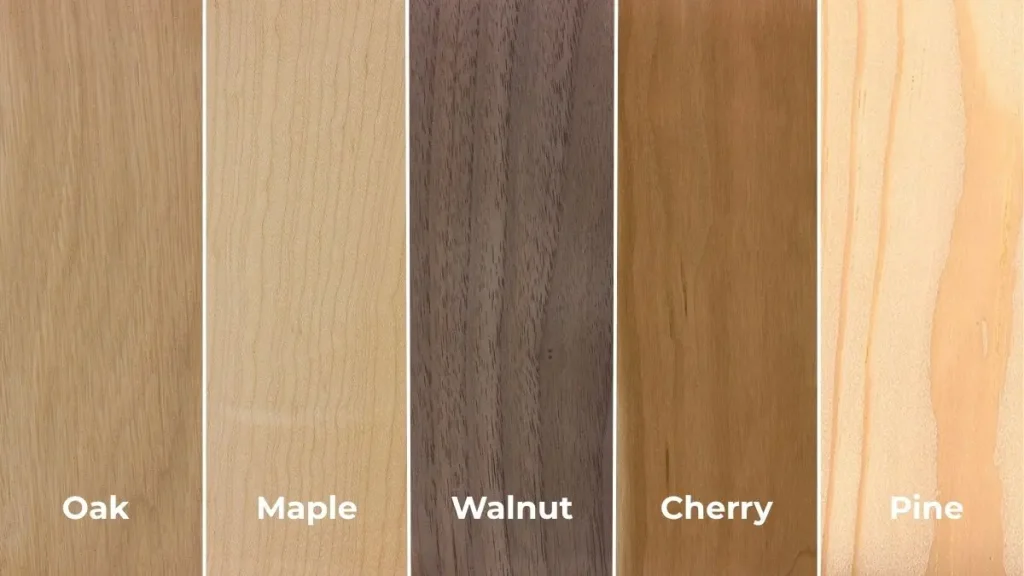
Hardwoods tend to be the preferred choice because they hold crisp edges, resist dents better and offer a richer grain pattern.
Softwoods can work beautifully too, especially for rustic or painted accessories, but they require a little more care to avoid bruising or tearout.
Here is a quick comparison to guide you:
| Wood Type | Strengths | Weak Points | Best Uses |
|---|---|---|---|
| Oak | Strong, durable, great grain | Can be heavy | Trays, boxes, shelves |
| Maple | Clean, smooth surface | Hard to stain evenly | Cutting boards, organizers |
| Walnut | Beautiful color, easy to finish | Higher cost | Decor pieces, gifts |
| Cherry | Warm tone that ages nicely | Sensitive to UV darkening | Small decor and trays |
| Pine | Affordable and easy to cut | Dents easily | Painted projects, prototypes |
Why Texture Matters in Small Home Accessories
Because home accessories are often touched, moved and used daily, texture plays a bigger role than you might expect.
A smooth surface feels intentional and refined.
A slightly rounded edge makes a tray easier to carry.
And a well finished grain can turn a simple block of wood into a piece people want to pick up.
Working on diy home accessories ideas teaches you to appreciate how wood behaves at a smaller scale.
You learn to notice tiny details, and those details make the entire project feel more polished.
What to Avoid as a Beginner
Some materials look tempting but complicate small projects more than they help.
- MDF or particleboard
- Oily exotic woods that resist glue
- Boards with many knots or wild grain
- Very soft construction lumber for detailed pieces
These can still be used later, but they demand more technique than most beginners want to handle.
Tip: If you are not sure which species to choose, start with a wood that sands cleanly and accepts finish well.
Maple, cherry and walnut are great options for small accessories because they look refined with very little effort.
The more you experiment, the easier wood selection becomes.
Before long, you will start recognizing which species fit which diy home accessories ideas without having to think too hard about it.
Joinery and Techniques for Small Home Projects
When you start building from diy home accessories ideas, the joinery does not need to be complex.
Small pieces often rely on simple, reliable methods that hold everything together without surprising you halfway through the build.
The goal is not to impress with advanced techniques but to create clean, solid connections that match the scale of the project.
What Small Projects Really Need from Joinery
Most home accessories do not carry heavy loads.
A candle holder, desk organizer or small shelf is all about stability and refinement, not brute strength.
This gives you freedom to use techniques that are quick to learn and easy to repeat.
Here are the qualities that matter most:
- A joint that aligns cleanly
- A connection that does not wobble
- A surface that stays flush after sanding
- Edges that stay smooth and safe to touch
- Enough strength to handle daily use
Joinery Methods That Work Well for Home Accessories
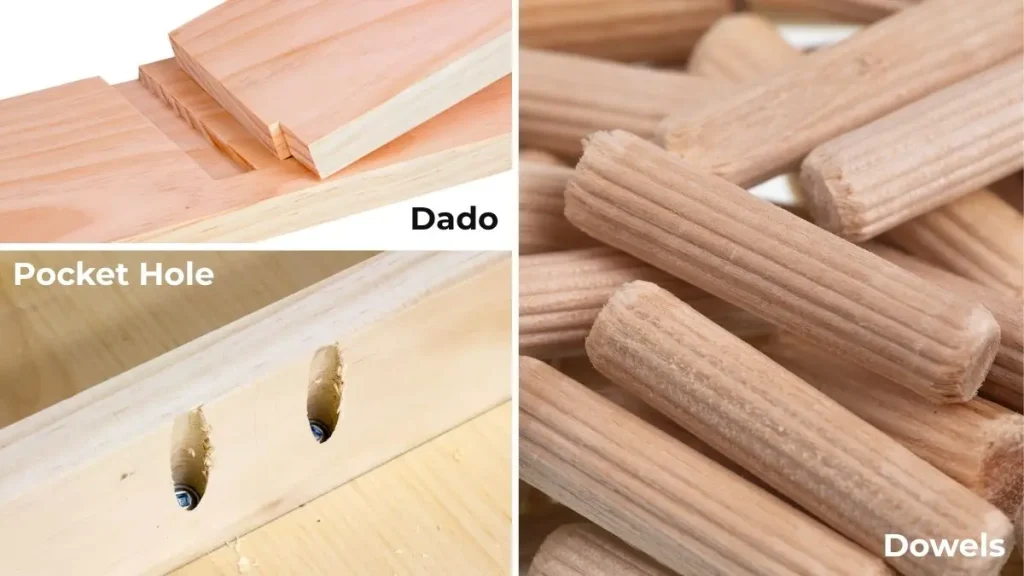
Here is a simple overview of methods you will use again and again for your DIY home accessories, along with their strengths:
| Method | Why It Works | Ideal Uses |
|---|---|---|
| Glue only with clean edges | Great for lightweight pieces | Coasters, decor blocks, small trays |
| Glue blocks | Adds strength without complexity | Boxes, organizers, small shelves |
| Pocket holes | Hidden, strong and fast | Small frames, trays, shelf brackets |
| Small dados or grooves | Helps parts align perfectly | Sliding bottoms, dividers |
| Dowels | Clean look and good alignment | Decorative joints, small boxes |
These methods are simple to learn, but they give you room to experiment with shapes and proportions.
What to Avoid Early On
Some techniques look elegant but are harder to master on small projects.
They demand perfect fit, perfect alignment and a level of precision that can make a beginner’s build feel stressful.
Avoid these until your hands and eyes feel more confident:
- Tight mortise and tenon joints
- Complicated miters on thin stock
- Biscuit joinery on very small parts
- Nails without reinforcement
- Delicate half laps with thin hardwoods
These techniques have their place, but small accessories benefit more from stability than elegance.
Working Clean Makes a Big Difference
Small projects highlight every mistake.
A tiny gap, a misaligned corner or a rough edge becomes obvious the moment you pick up the piece.
This is why slow, steady alignment and clean clamping matter more than speed.
A few extra minutes spent adjusting parts before glue up pays off every time.
Tip: When working on small accessories, clamp lightly and check the alignment from different angles.
Thin boards shift more easily than you think, and a second look often saves you from having to sand out small mistakes later.
Once you get comfortable with these techniques, every diy home accessories idea you try begins to feel approachable.
You learn to build cleanly, you build more confidently and you start seeing opportunities for small projects everywhere in your home.
Finishes That Make Home Accessories Look Premium
A finish can turn a simple idea into a piece that feels refined and intentional.
When you work on diy home accessories ideas, you start noticing how much the final surface affects the whole design.
A clean oil finish highlights grain and warmth, a soft wax adds a gentle sheen and a light varnish protects pieces that get touched every day.
The difference lies in choosing the right finish for the size and purpose of the accessory.
Small wooden pieces react quickly to finish because the surfaces are close to the hand.
You feel the texture immediately, and the look changes the way the piece fits into a room.
That is why many woodworkers say finishing is half design, half technique.
The Finishes You Will Use Most Often
You do not need a long list of options.
A few well chosen finishes handle almost every small project.
| Finish Type | Look and Feel | Strengths | Best Uses |
|---|---|---|---|
| Mineral oil or board oil | Natural and soft | Food safe and easy to refresh | Cutting boards, kitchen trays |
| Oil and wax blends | Warm with a light sheen | Enhances grain, simple to apply | Decor pieces, organizers |
| Wipe on polyurethane | Smooth and durable | Good protection with low effort | Shelves, boxes, daily use projects |
| Hardwax oils | Rich and modern | Water resistant and long lasting | Premium home accessories |
Each of these finishes is beginner friendly and does not demand special equipment.
Why Prep Matters More Than You Expect
The quality of the finish starts long before the oil or varnish touches the wood.
A smooth surface, even edges and clean sanding lines create the foundation for a premium look.
If the surface feels scratchy before finishing, the finish will only highlight the problem.
A simple sanding progression works for nearly every small project:
- Start around 120 grit
- Move to 150 or 180
- Finish at 220 for a smooth touch
- Wipe the dust gently with a clean cloth
This takes only a few minutes on small accessories, yet the improvement is immediate.
Choosing the Right Finish for the Right Project
Different diy home accessories ideas call for different finishes.
A decorative block or candle holder does not need the same protection as a tray that gets handled every day.
Knowing how much wear a piece will see helps you choose a finish that lasts without overbuilding the protection.
Here is a quick guide:
- Kitchen accessories need durable, food safe finishes
- Decor pieces can use oils or waxes to highlight grain
- Small shelves benefit from a wipe on polyurethane
- Gift items often look beautiful with a hardwax oil sheen
Tip: When testing a new finish, try it on a scrap from the same board.
The color and sheen change depending on the wood species, and a small preview saves surprises later.
Let the Wood Do the Talking
One of the best parts of working on diy home accessories ideas is discovering how good a simple piece of wood can look with the right finish.
A small walnut tray, a maple block or a cherry organizer can feel premium with just a few light coats.
The wood already has character.
Your finish simply reveals it.
Once you get comfortable with finishes, you start enjoying this stage of the build.
It becomes a moment of slowing down, noticing details and bringing the project to life.
DIY Home Accessories Ideas You Can Actually Build
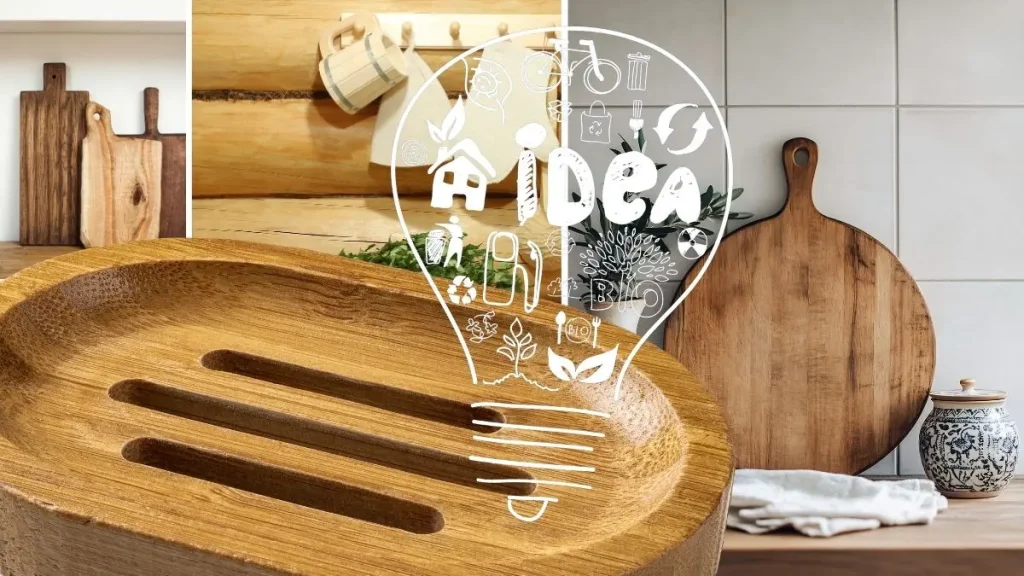
Once you understand the basics of wood choice, simple joinery and clean finishing, the door opens to dozens of projects that fit naturally into your home.
What makes these diy home accessories ideas so enjoyable is that they stay small, practical and easy to personalize.
You can build them in a single afternoon or stretch the process over a relaxed weekend.
Most only require a few boards, a handful of screws and a finish you already know how to apply.
Here is a collection of diy home accessories that are perfect for beginners yet still polished enough to feel proud of when they are finished.
1. Cutting Boards and Serving Boards
These are classic beginner projects for a reason.
They teach clean sanding, simple shaping and finishing that highlights the grain.
Whether you choose straight cuts or gentle curves, a board is useful in almost every home.
2. Wooden Candle Holders and Tea Light Blocks
Small, elegant and easy to customize.
You learn to drill clean holes, soften edges and apply finishes that feel warm to the touch.
They also make thoughtful gifts.
3. Simple Wooden Trays
A tray might look basic, but it teaches real woodworking skills.
You learn to attach sides cleanly, align corners and apply a finish that stands up to daily handling.
They work well in kitchens, entryways or living rooms.
4. Floating Shelves and Small Wall Pieces
Wall accessories help you experiment with proportions and stability.
A floating shelf teaches you how to mount cleanly and safely.
Thin strips of wood can become small accent pieces that add warmth to blank walls.
5. Desk Organizers and Workspace Accessories
These projects turn scrap wood into pieces that feel thoughtful and functional.
A simple pen holder, headphone stand or small desk shelf lets you shape wood in creative ways while keeping things practical.
6. Coasters and Small Table Accents
Coasters are quick wins.
They help you practice sanding and finishing on a tiny scale.
They also let you experiment with shapes and patterns without needing much material.
7. Wooden Boxes and Small Storage Pieces
These projects teach clean alignment, simple dados or glue blocks and careful finishing.
A small box becomes a perfect place for keys, jewelry or keepsakes, and you can add dividers or lids as your skills grow.
8. Entryway Accessories
Think small key holders, mail trays or simple hooks mounted on a wooden base.
These pieces bring order to a busy area of the home and teach you how to design for convenience and quick access.
Choosing Your First DIY Home Woodworking Projects
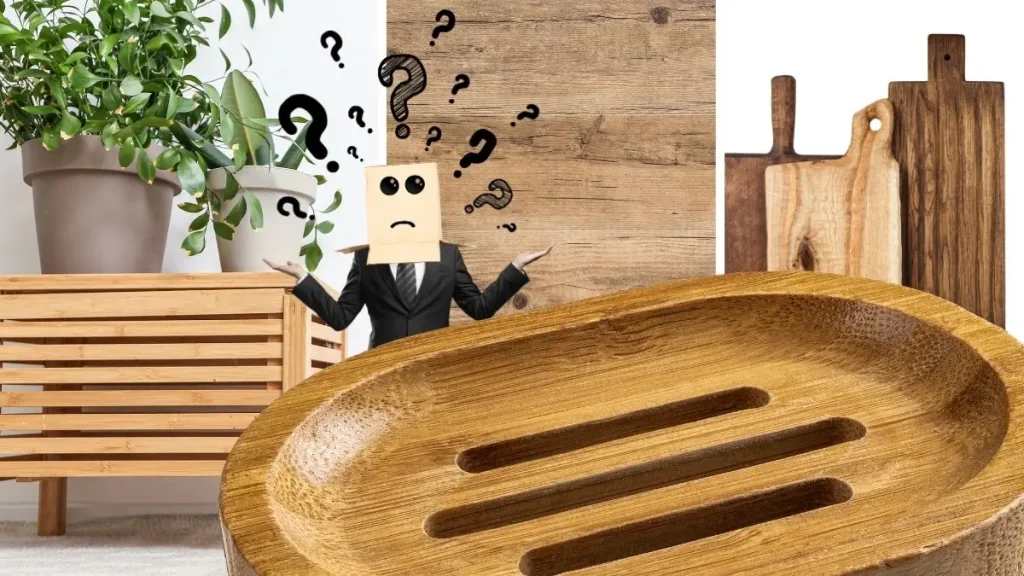
Picking your first build from all these diy home accessories ideas can feel a little overwhelming, especially when everything looks fun and doable.
The truth is that your first project should not be the most impressive one.
It should be the project that teaches you the basics without fighting you along the way.
A project where you enjoy the process, get a quick win and walk away with something you will actually use.
Most people do well when they start with a small piece that has only a few parts and no complicated angles.
A simple block that becomes a candle holder, a clean serving board or a tiny shelf you can mount in a hallway.
These projects give you a chance to practice measuring, cutting, sanding and finishing without worrying about perfect joinery or tight fitting components.
A few things to consider when choosing your first build
- Pick something small enough to finish quickly
- Look for straight boards and simple shapes
- Avoid very thin parts that dent or break easily
- Choose a project that fits naturally into your home
- Use wood species that are known to be beginner friendly
When you keep these points in mind, the decision becomes much easier and the experience becomes a lot more enjoyable.
Beginners often think they need to start big to learn something meaningful, but the opposite is usually true.
Small projects teach your eye to notice detail and your hands to work with intention.
Projects that make perfect first builds
- A small serving tray
- A simple cutting board
- A candle holder block
- A basic desk organizer
- A small floating shelf
- A clean wooden coaster set
Each of these projects is quick to set up, easy to assemble and satisfying to finish.
They also teach you tiny habits that matter later, like sanding with the grain, aligning pieces before gluing and finishing surfaces evenly.
Tip: Choose a project you know will live in a visible place in your home.
Seeing your work every day is one of the best ways to build confidence and keep moving forward.
Once you complete your first piece, the next one always feels easier.
You begin to see patterns in the work, and those patterns make every new build from your list of diy home accessories ideas feel more achievable.
What to Build After Your First Project
Finishing your first small project often changes the way you look at your home.
Suddenly you start noticing little corners that could use a tray, a narrow shelf or some kind of simple organizer.
That is usually the moment when wooden decor ideas start to feel real, because you now know you can actually build them.
It stops being a question of whether you can do it and becomes a question of what you want to make next.
The best follow up projects build naturally on the skills you already practiced.
They add a touch of complexity, maybe a new joint or a slightly larger board, but they stay small enough to feel manageable.
It is a lot like climbing a gentle ladder, where each step feels fair, steady and exactly where it should be.
DIY Home Accessories Ideas that help you grow without pushing too hard
- A deeper tray with slightly taller sides
- A decorative box with a sliding bottom
- A small shelf with hidden supports
- A simple wall mounted key organizer
- A desk organizer with multiple compartments
- A cutting board with a gentle curve or juice groove
- A plant stand made from thin hardwood strips
These wooden decorations for home introduce small challenges that keep the process interesting.
You might find yourself aligning corners with more care, cutting a shallow dado or shaping a smoother curve.
None of it feels overwhelming, but each step is just enough to spark your curiosity and make the next project feel even more inviting.
Think of builds as small skill upgrades
You do not need a strict plan for growth.
Each project teaches something new almost by accident.
Here is a glance at how small upgrades naturally appear:
| Project Upgrade | New Skill You Learn | Why It Helps Later |
|---|---|---|
| Add taller sides to a tray | More precise corner alignment | Helps with future box builds |
| Make a wall shelf | Secure mounting and spacing | Useful for heavier builds |
| Add dividers to a desk organizer | Cutting narrow parts safely | Builds accuracy and confidence |
| Shape curved edges | Router or sanding control | Improves finishing on all projects |
| Create a sliding lid | Small dados and fitting | Introduces simple joinery logic |
These are small steps, but they add up faster than you expect.
Before long, your builds look cleaner, your finishing feels smoother and you start noticing patterns in how wood behaves in diy home woodworking projects.
Grow in a direction that feels natural
Some people enjoy building small kitchen pieces, while others prefer creating decor that brings a calm sense of warmth to a room.
And many builders love making practical organizers and storage items that make daily life feel a little easier.
There is no wrong path here.
The right direction is simply the one that makes you feel curious, relaxed and excited to keep creating diy home accessories.
Tip: If you ever feel stuck choosing your next project, take a slow walk through your home and really look at your space.
Anything that feels cluttered, empty or a little inconvenient is often the best source of inspiration, especially when you are exploring new wooden decor ideas.
What matters most is that you keep building DIY home woodworking projects that feel approachable and interesting.
Every new piece makes the next diy home accessories ideas even easier to imagine and much easier to complete.
DIY Home Accessories Ideas Step By Step Explained
By now you probably have a clearer sense of which diy home accessories ideas feel interesting to you.
This is the moment where inspiration becomes a little more real, because you can start looking at actual builds instead of only possibilities.
The wooden decor ideas below come from my own growing collection, and each one is designed to help you learn through simple, practical steps that stay beginner friendly.
Every build teaches something useful.
Sometimes it is cleaner sanding, sometimes it is a more confident glue up, sometimes it is a small detail in shaping that makes the whole piece feel more intentional.
These are the kinds of projects you can finish in a single afternoon and still look at with a little quiet pride the next day.
The best part is that you can make them exactly as I show them or adjust the dimensions to fit your space.
Small projects are forgiving, which makes them perfect for experimenting while still ending up with something you can actually use.
Back to the full journey?
→ Learn How to Build Simple Woodworking Projects (Main Guide)
Return to the main guide and explore all steps in order, from indoor furniture to advanced woodworking builds.
Frequently Asked Questions
What is the easiest home accessory to build as a beginner?
Small projects like coasters, simple trays or candle holder blocks.
They teach clean sanding and finishing without complicated joinery.
Do I need a full workshop to build wooden home accessories?
No. A saw, drill, sander and a few clamps are enough for most diy home accessories ideas.
A small table or workbench works fine.
What wood should I use for small home accessories?
Maple, walnut and cherry are great starter choices.
Oak is strong and affordable, and pine works well for painted pieces.
How do I choose the right finish for a home accessory?
Use food safe oils for kitchen pieces, oil and wax blends for decor and wipe on polyurethane for shelves or boxes. Test your finish on a scrap first.
Where can I find more diy home accessories ideas to build next?
Right here in the project list on this page. New builds appear automatically as I create them.
Trusted by Woodworkers Worldwide
29,000+ woodworking enthusiasts follow my journey. Over 60 real-world workshop projects completed since 2018.
Discover proven techniques to set up a woodworking shop that grows with you

Meet Christophe
Founder & Woodwork Artisan Behind Ash Stag Woodworking
Regards, Christophe