
Starting something new often feels expensive before it actually is. Not because it has to be, but because you mostly see the end result. Fully built workshops. Walls of tools. Machines that look serious and, honestly, a little intimidating. The exact numbers matter less at the start than most people expect.
So how much does it cost to start woodworking?
In short, you can start woodworking for far less than most people expect, as long as you grow slowly and buy with intention.
When I started, cost was not really part of the plan. I had a hand saw, a couple of inexpensive chisels, and a corner of the house where I stacked everything. That was enough to begin. The first time money truly became noticeable came later, when I bought my first table saw and realized how quickly one larger tool can change the scale of your setup.
This piece exists to add perspective. To separate the costs that actually matter from the ones that mostly create noise. And to help you decide, calmly, whether woodworking fits your life and space right now.
Why You Can Trust This Advice
- I started woodworking with very little, working out of a small space and adding tools only when my projects truly asked for them.
- My first real cost jump came with a table saw, which taught me how one bigger machine can quietly change both your workflow and your budget.
- Even now, in a compact 3×6 meter garage shop, I still plan purchases slowly and let real friction decide what I actually need next.

– Updated on
Key Takeaways
– You’ll understand why woodworking costs feel vague at first and how to think in ranges instead of fixed numbers.
– You’ll see how starting small and at home quietly changes what you actually spend.
– You’ll learn which early purchases matter and which ones usually come too soon.
– You’ll notice how comparison with larger shops often creates unnecessary cost pressure.
– You’ll understand how real shop experience shapes a slower, calmer approach to spending.
Disclosure: At zero cost to you, I may get commissions for purchases made through links in this post. I earn from qualifying purchases as an Amazon associate. Products featured are selected based on quality, performance, and reputation, regardless of affiliate relationships.
Table of Contents
How Much Does It Cost to Start Woodworking in Practice?
When people ask how much does it cost to start woodworking, they are often hoping for a clean number. Something solid they can hold onto. In reality, the answer shifts with how you begin and how patient you allow yourself to be.
For most beginners, early woodworking costs are surprisingly modest. A few basic hand tools, some wood, and a way to measure and cut accurately already open the door. That is enough to start learning. Trouble usually appears when the picture in your head jumps ahead to machines you do not need yet.
The realistic beginner cost range
If you strip woodworking down to what is truly required at the start, costs tend to fall into a few broad zones.
- A very lean start usually feels flexible rather than restrictive. You are learning how wood behaves, making small mistakes, and solving problems with time instead of tools. Most beginners do not even notice they are in this zone, because it simply feels like getting started.
- A balanced start often happens when projects begin to repeat themselves. You want cuts to be a bit faster, a bit cleaner, or more consistent. This is usually the point where one powered tool enters the picture, not because you planned it, but because your work quietly asked for it.
- A heavier start tends to come from planning too far ahead. Instead of responding to current projects, you start preparing for future ones. This shift often feels logical in the moment, but it is also where costs begin to rise without adding immediate learning value.
All three can work. What matters more than the number itself is whether spending follows real projects or imagined needs. When woodworking feels expensive, it is often because expectations start leading the process instead of experience.
What you are actually paying for at the start
Early woodworking expenses usually land in quiet, easily overlooked categories.
- Tools that let you cut, measure, and assemble reliably
- Materials you will learn on and sometimes waste
- Small essentials you did not think about beforehand
That last group surprises many beginners more than any single machine. Clamps, screws, sandpaper, glue. Individually small, but together they explain why how much does it cost to start woodworking often feels fuzzy instead of fixed.
At this stage, questions about woodworking startup costs for beginners matter more than brands or optimized setups. The real goal is movement, not perfection.
Some people look for rough numbers when asking how much a hobby really costs (link: Is Woodworking an Expensive Hobby for Beginners? is under construction). I intentionally separate that question from getting started, because understanding the process comes before understanding the price, and numbers only make sense once that foundation is in place.
What Makes Woodworking Feel Expensive (Even When It Is Not)
Woodworking often feels expensive long before it actually becomes expensive. That feeling usually comes from comparison rather than reality.
Comparing yourself to fully built workshops
Most woodworking spaces you see online belong to people who have been building for years. Their shops represent time, not a starting point. When you measure your first steps against that, even reasonable woodworking tools cost beginner setups can feel inadequate.
This is where many beginners quietly decide woodworking is not for them, even though nothing about their situation truly prevents them from starting.
Buying tools before understanding your needs
The second pressure point is anticipation. Buying for a future version of yourself rather than the projects on your bench today. I nearly fell into that trap early on by fixating on machines I thought I would need, including a band saw I did not yet understand. Waiting changed the outcome completely.
This same pattern shows up again and again when people ask how expensive is woodworking for beginners. The expense usually comes from buying ahead of experience.
When you zoom out a bit, it also helps to remember that most hobbies spread their costs over time, which lines up closely with average hobby spending patterns
Starting Woodworking at Home Changes the Cost Equation
Costs shift noticeably when you look at woodworking through a home lens instead of a dedicated shop. For many people, cost to start woodworking at home is the only version that feels realistic.
What costs disappear when you work at home
When you start at home, several large expenses simply do not exist.
- No rent for a separate space
- No pressure to buy large stationary machines
- No need to build infrastructure all at once
I started without a workshop at all. Tools lived in a spare room and came outside only when I needed them. That limitation slowed things down, but it also kept costs honest and forced clarity.
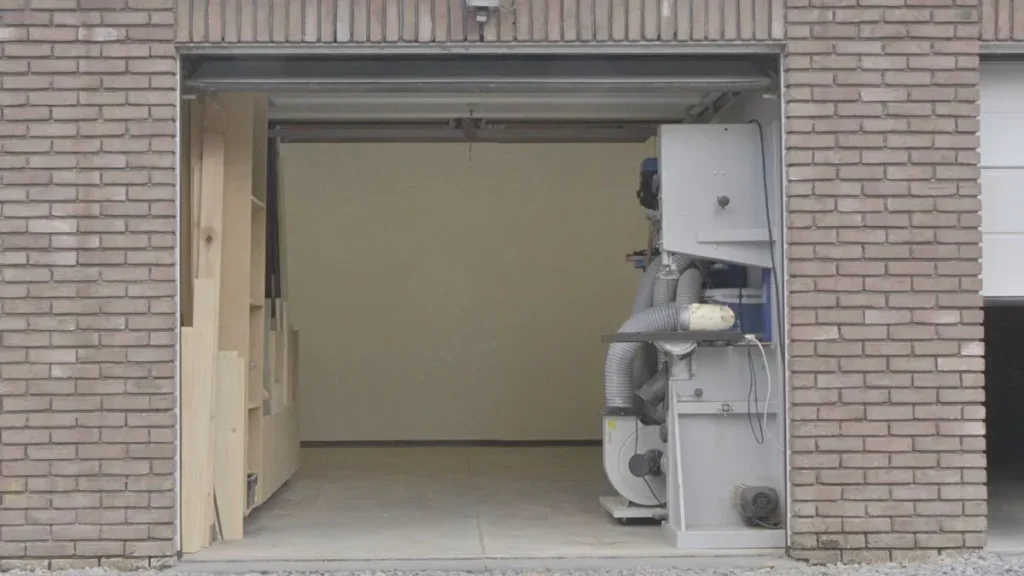
That experience still shapes how I think about woodworking startup costs for beginners today. As I turn this garage into a proper workshop, I am taking the same slow approach and documenting the process step by step, so the decisions and tradeoffs stay visible instead of hidden.
What costs stay the same
Some costs remain no matter where you work. Wood still costs money. Mistakes still waste material. Measuring and cutting accurately still requires decent tools.
Those constants explain why how much does it cost to start woodworking never drops to zero, even in a shared space or small garage. At the same time, they show why cost to start woodworking at home is often far lower than people expect.
This is also where thinking about how to set up a woodworking shop without wasting space becomes relevant, even early on.
A Small Reality Check From My Own Start
The first real jump in cost for me came with a table saw. Until then, woodworking felt light and flexible. One larger machine changed everything. Space, workflow, and budget all shifted at once.
What surprised me most was not the price itself, but how permanent that decision felt. That moment taught me to slow down. To let projects pull tools into my shop instead of letting ideas push them in.
That lesson still shapes how I think about woodworking beginner expenses today, especially in a compact garage where every tool has to earn its place.
How to Keep Your Beginner Woodworking Costs Under Control
Keeping costs under control is less about discipline and more about sequence. The order in which you buy things matters far more than the total amount. Large machines and specialized tools are often bought too early, while simple measuring tools, clamps, and setup basics tend to arrive later than they should.
Start with projects, not tools
Projects create clarity. Tools bought without a project tend to sit quietly and add weight. When you let projects lead, woodworking tools cost beginner setups stay focused and functional.
This way of thinking naturally connects to what you actually need to start woodworking (link: “What Do I Need to Start Woodworking?” is under construction), without turning the process into a shopping list.
Delay purchases until friction appears
Friction is useful. When something truly slows you down or limits what you can build, it earns attention. Until then, it can wait.
That mindset keeps woodworking on a budget beginner friendly, even as skills grow and projects become more demanding.
Tip: If you feel stuck wanting a new tool, write down the last three projects you built. If that tool would not have changed any of them, it probably is not needed yet.
A simple way to think about how much does it cost to start woodworking is this. You are not buying a workshop. You are buying time, patience, and small improvements layered on top of each other.
This is also where a broader understanding of how woodworking tools and techniques fit together over time can quietly support better decisions.
What to Read Next If You Decide to Start
Once the cost question settles, most beginners naturally shift toward action. Toward building something real.
That often leads into simple beginner woodworking projects that build confidence, or back to foundational skills like woodworking basics that remove early frustration.
Those steps feel lighter once you understand that starting woodworking does not require everything at once. Just enough to begin, and the patience to let the rest arrive when it makes sense.
A Few Last Thoughts
Cost has a way of feeling heavier before you begin than it does once you are actually building. Mostly because it lives in your head, mixed with expectations and other people’s setups. When you look at it calmly, how much does it cost to start woodworking becomes less of a barrier and more of a boundary you can work within.
Starting small does not mean thinking small. It simply means letting your space, your time, and your projects set the pace. Once that clicks, the rest tends to fall into place more naturally than you expect.
This supporting post lives inside a much larger path on my site, one that helps beginners move from doubt to a functional first workspace.
Main Guide:
Woodworking for Beginners: Best Guide to Start the Smart Way
A wide, steady overview that frames woodworking as something you grow into, not something you need to master upfront.
Second Guide Level (comes right after the main guide’s introduction): How to Start Woodworking (Beginner Roadmap Explained) (article is under construction)
A clearer breakdown of the early decisions that shape how smoothly your first steps actually feel.
Frequently Asked Questions
Can you really start woodworking without spending much at the beginning?
Yes. Most people can start with a very small setup and grow from there. The early cost is often lower than expected because simple projects rely more on time and patience than on equipment. That is how many shops quietly begin.
How much does it cost to start woodworking if you only want to build small projects?
If your focus stays on small, practical builds, the cost stays modest for quite a while. You are mainly paying for basic tools and materials you will learn on. Bigger expenses usually appear only when projects demand more precision or speed.
Is starting woodworking at home cheaper than using a separate workspace?
In most cases, yes. The cost to start woodworking at home is often lower because you avoid rent, large machines, and permanent infrastructure. Working at home also forces you to be selective, which naturally limits spending.
What usually causes beginners to overspend early on?
Buying tools before a real need appears is the most common reason. It often comes from comparing your starting point to someone else’s finished shop. Waiting until friction shows up tends to keep costs more grounded.
Do woodworking costs increase quickly as skills improve?
They can, but they do not have to. Skill growth does not automatically require more tools. Many improvements come from learning how to use what you already have more effectively.




Leave a Reply