When you first start looking into woodworking tools for beginners, the whole world of gear can feel unexpectedly huge. I remember that moment well. You get excited to build something, but it is easy to feel lost between lists, marketing claims and opinions that all seem to contradict each other.
This chapter slows things down a little. It is not a sales pitch and not a one size fits all checklist. It is the lay of the land. A simple map of the tool groups you will actually use when you begin woodworking, and the place where all the deeper guides come together so everything feels more understandable.
You might spot a few tools that feel far off for where you are right now. That is completely fine. The goal here is to help you see what exists, what truly matters at the start and how your toolkit can grow in a way that matches your skills and your space.
This chapter is part 1 of the Woodworking Tools and Techniques journey.
Christophe,
If you have not seen the main overview yet, start with the full Woodworking Tools and Techniques guide so everything connects in the right order.
Founder of Ash Stag Woodworking
Choose where you want to start:

The Core Tools You Should Start With
A grounded look at the first tool categories that help you build real projects in a small workshop.
Optional Tools That Help You Grow Your Skills
Tools you do not need on day one, but that help you shape cleaner edges and take on more advanced joinery once you feel ready.
Tools That Improve Your Workshop Environment
Simple upgrades that keep your workspace cleaner, safer and more pleasant without overspending.
Sharpening Tools Beginners Should Know About
A clear introduction to stones, guides and strops so you understand how sharp tools work before you build a full setup.
Choose where you want to start:
The Core Tools You Should Start With
A grounded look at the first tool categories that help you build real projects in a small workshop.
Optional Tools That Help You Grow Your Skills
Tools you do not need on day one, but that help you shape cleaner edges and take on more advanced joinery once you feel ready.
Tools That Improve Your Workshop Environment
Simple upgrades that keep your workspace cleaner, safer and more pleasant without overspending.
Sharpening Tools Beginners Should Know About
A clear introduction to stones, guides and strops so you understand how sharp tools work before you build a full setup.

– Updated on
Key Takeaways
– You’ll understand what really matters when choosing woodworking tools for beginners, not long lists or expensive machines, but the small set of categories that actually move your projects forward.
– You’ll be able to look at your own space, budget and goals and decide with confidence which tools you should start with and which ones can wait until you grow a bit more.
– You’ll learn how each tool group fits into real woodworking tasks, from cutting and drilling to measuring, sanding and assembly, so every tool you buy has a clear purpose.
– You’ll see how to avoid the common beginner trap of buying tools in the wrong order, and instead build a toolkit that stays useful even as your skills improve.
Most importantly, you’ll stop wondering if you have the right tools to begin.
– You’ll know exactly how to start woodworking with a simple, flexible setup that fits your space and your pace.
Disclosure: At zero cost to you, I may get commissions for purchases made through links in this post. I earn from qualifying purchases as an Amazon associate. Products featured are selected based on quality, performance, and reputation, regardless of affiliate relationships.
Table of Contents
The Core Woodworking Tools For Beginners
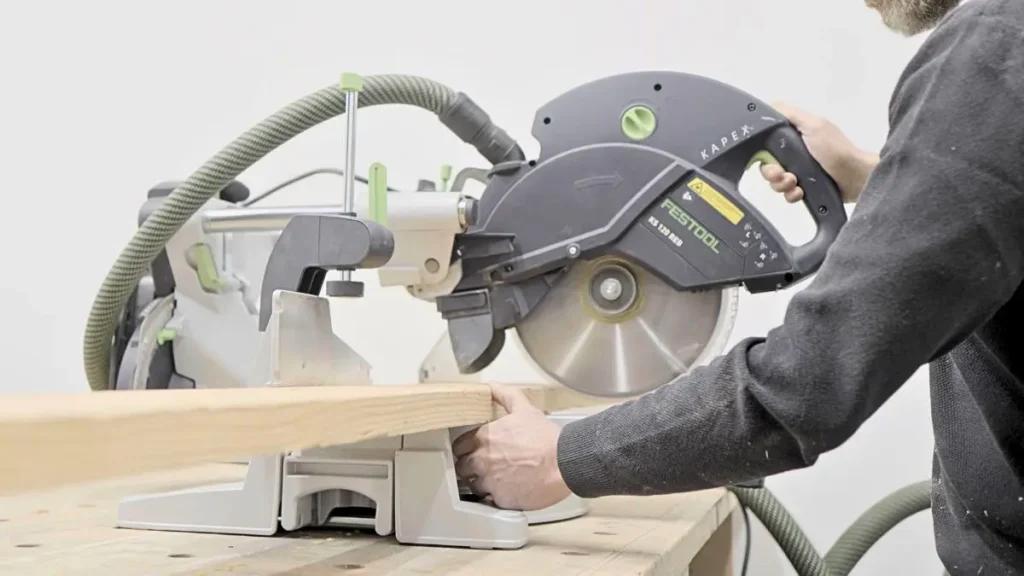
The best way to begin woodworking is to keep your toolkit small and focused. You do not need an entire woodworking tools list to build your first real project. You need a handful of starter woodworking tools that feel predictable, help you work safely and make the learning curve a lot less heavy. Think of these as the basic woodworking tools that turn “I’d like to try this” into “I can actually make something.”
Most people start with these woodworking tools for beginners groups because they solve real problems right away: cutting wood into the shapes you need, drilling clean holes, measuring accurately and getting everything assembled without fighting your tools.
Cutting tools for woodworking every beginner relies on
Cutting is the first real step in any project. You take a board, you shape it and suddenly it begins to look like something. You do not need every saw out there. You only need the one or two that match your space and the kind of projects you want to build. These are the simple woodworking tools that carry most beginners through their first few months.
• A circular saw for breaking down plywood and longer boards
• A miter saw for clean, repeatable crosscuts
• A table saw or track saw for consistent furniture parts
• A jigsaw for curves and cutouts
• A small bandsaw once you want smoother curves or light resawing
To make choosing less confusing, here is a quick comparison.
| Your goal | Best beginner tool | Why it helps |
|---|---|---|
| Break down plywood | Circular saw or track saw | Easy to guide in small spaces |
| Make accurate crosscuts | Miter saw | Clean and consistent results |
| Build consistent furniture parts | Table saw | Predictable, accurate and versatile |
| Cut curves | Jigsaw | Affordable and adaptable |
| Shape smoother curves | Bandsaw | Better control and a more relaxed feel |
If you want more clarity before buying anything, the guides Best Table Saw for Small Workshops (Under construction) and Best Miter Saw for Beginners (Under construction) explain what really matters in plain English.
Tip: a circular saw with a straight edge is one of the most forgiving beginning tools for woodworking and often the smartest first purchase in a small shop.
Drilling and driving tools you’ll use on every project
Almost every project needs holes, screws or small fittings. A good drill is one of the essential tools for woodworking because it makes your builds stronger and far less frustrating.
Your starter kit usually looks like this:
• A cordless drill
• A small set of drill bits
• A countersink bit for clean screw heads
• An impact driver once you build more often
• A drill press only when you want perfect perpendicular holes
Most drilling problems come from technique, not the tool. A dull bit or a wandering mark causes more trouble than lack of power.
A few habits help immediately:
• Use brad point bits for clean holes
• Slow down with larger diameters
• Clamp your workpiece so the bit does not wander
• Place a backing board underneath to reduce tearout
If you want a simple overview of what to look for, the guide Best Drill for Woodworking (Under construction) breaks everything down without overthinking it.
Measuring and layout tools for clean, accurate work
Many beginners think their saw is the problem when things do not fit, but most mistakes begin at the measuring stage. Clean marks and steady references matter more than fancy machines. These beginner woodworking tools help avoid all the tiny inaccuracies that pile up without you noticing.
• Tape measure
• Combination square or speed square
• Marking knife or sharp pencil
• Marking gauge for repeatable joinery
• Level for installs
• Calipers when you want precise checks
One simple principle saves you a lot of frustration: measure with the same tool every time and mark once. Those tiny inconsistencies vanish instantly.
If you want guidance, Best Tape Measures for Woodworkers (Under construction) and Best Squares for Woodworkers (Under construction) explain what to look for and what novices often overlook.
A line I repeat often because it is true: a clean mark fixes more mistakes than an expensive saw.
Sanding and surface prep tools for woodworking that actually help
Sanding is where your project starts looking like something you want to touch. You do not need a wall of sanders. You only need a few simple woodworking tools that take your work from rough to clean.
• Orbital sander
• Good sandpaper in a few grits
• A sanding block
• A vacuum or brush for dust control
The orbital sander is usually the point where beginners feel their work improve. Smooth edges, even surfaces and a finish that suddenly looks intentional.
Tip: move through your grits slowly. For most projects, 120 to 150 to 180 or 220 gives you smooth results without swirl marks.
If you want to explore your options, Best Orbital Sanders for Woodworkers (Under construction) and Best Sandpaper Types for Woodworking (Under construction) are easy next steps.
Assembly tools that make projects feel solid
This is where everything comes together. Clamps, glue and a few simple aids keep your builds straight, aligned and stress free.
Your beginner friendly setup includes the following:
• Wood glue
• A handful of clamps
• A pocket hole jig for strong, fast joinery
• A brad nailer later for cabinets or trim
• A square to keep everything straight
Clamps are the biggest surprise for beginners. They make projects instantly cleaner because nothing slides around during glue ups.
If you want help comparing options, Best Woodworking Clamps for Small Shops (Under construction) and Best Pocket Hole Jigs for DIY Woodworkers (Under construction) walk you through the basics.
Optional Tools That Help You Grow Your Skills
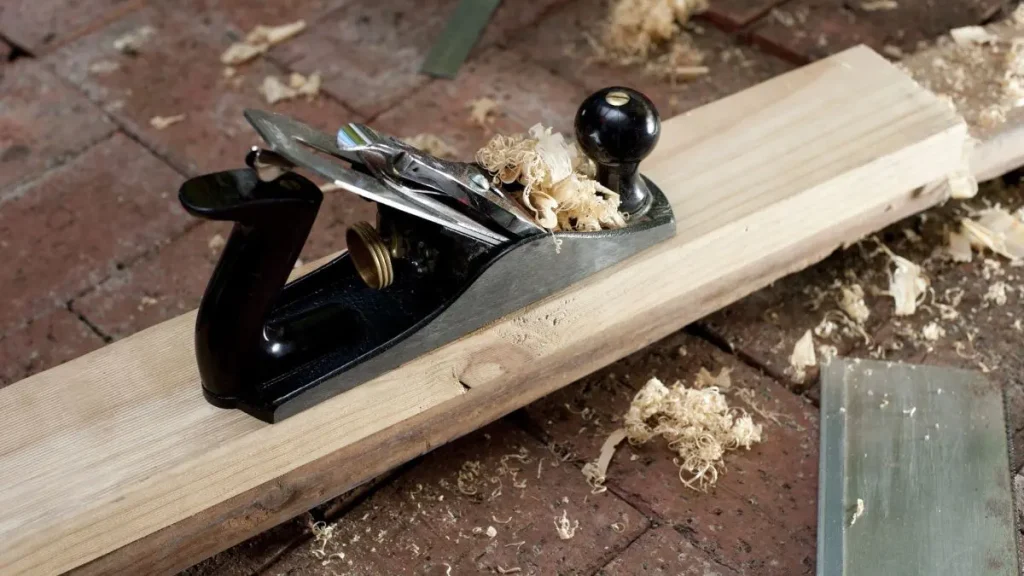
Once you have your basic setup, you can slowly explore a few tools for woodworking that help you work cleaner, faster or just with a little more confidence. These are not essential tools for woodworking on day one. They simply give you room to grow when you feel ready for the next step. Most beginners add them after a couple of projects, once they understand their own rhythm and the kind of builds they enjoy.
Think of these as simple woodworking tools that expand your skill set without overwhelming you.
Routers and trim routers
A router often becomes a beginner’s first real upgrade. It takes the edges of your projects from rough to refined and opens the door to basic joinery. A trim router is the most friendly version to start with. It is small, light and easy to control, which makes it one of the most useful beginning tools for woodworking once you want your projects to look a bit more finished.
What you can do with a router:
• soften sharp edges
• cut small dados for shelves
• trim edges flush
• add simple decorative profiles
If you keep your bit selection small in the beginning, the learning curve feels surprisingly gentle. When you want a deeper dive later, you can read more in Best Router for Beginners (Under construction).
Router bit sets and profiles
A router on its own does nothing. The bit decides everything. Many beginners buy giant bit sets because they look like a bargain, but most people only use three or four bits for their first year of woodworking.
A small set is more practical and easier to learn with.
Most used beginner bits:
• straight bit
• flush trim bit
• round over bit
• chamfer bit
Once these feel natural, you can explore spiral bits or more specific profiles. If you want a simple guide before buying anything, you can check Best Router Bit Sets for Woodworking (Under construction) when you are ready.
Hand planes, rasps and spokeshaves
Hand tools for woodworking often surprise beginners. They look old fashioned, but they solve problems in a way that feels calm and controlled. A small hand plane straightens edges when your saw line drifts. A rasp shapes wood without feeling risky. A spokeshave smooths curves in a way that no power tool can quite replicate.
These beginner woodworking tools are not required for your first project, but they help you understand wood on a deeper level. They also make small adjustments easy, especially in a small workshop where noise and dust matter.
If you ever want to explore these woodworking tools later, you can look at Best Hand Planes for Woodworking Beginners (Under construction) when the time feels right.
Stationary sanders and shaping tools for woodworking
You do not need stationary sanders at the start, but they become incredibly useful when your projects get more detailed. They help you smooth curves, clean up joints and refine surfaces without as much effort.
Typical beginner friendly additions:
• a spindle sander for inside curves
• an orbital sander for general smoothing
• a belt sander for heavier stock removal
• a detail sander for tight corners
Most beginners stick with an orbital sander for their first months and only add one of the others when a project asks for it. If you want to compare options later, you can visit Best Orbital Sanders for Woodworking (Under construction).
Tools That Improve Your Workshop Environment
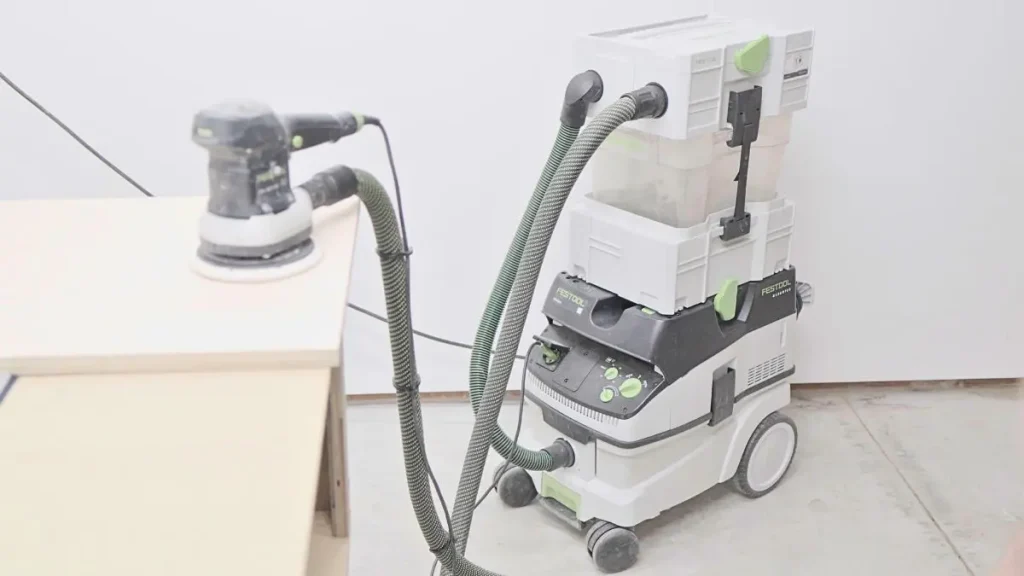
These are not the first things you buy and they are definitely not required to begin woodworking. But once you have made a few projects, you start noticing that comfort, safety and cleanliness make a huge difference. A cleaner shop helps you think better. Good airflow keeps sanding dust out of your lungs. A quiet, steady vacuum makes every tool feel easier to use.
Think of these woodworking tools as upgrades that make your small workshop feel calmer and more enjoyable to work in.
Shop vacs and dust collectors
Most beginners start with a simple shop vac. It is affordable, portable and works with almost every tool you own. A dust collector is a step up. It moves more air, pulls dust from farther away and makes long sanding or cutting sessions much cleaner.
You will notice a real difference when:
• you connect your orbital sander to a shop vac
• you cut plywood with less airborne dust
• you can clean your space quickly between steps
If you ever want to explore the full range later, you can open Best Shop Vacs for Woodworking (Under construction)or Best Small Dust Collectors for Woodshops (Under construction).
Air filtration units
Even with a shop vac, fine dust hangs in the air for a long time. Air filtration units catch those tiny particles after you stop working. They quietly cycle the air in your shop and make the space feel less “foggy” after sanding.
They are not necessary at the beginning, but they make a noticeable difference once you build more regularly. If you want a deeper explanation when you get to that point, you can look at Best Air Filtration Units for Workshops (Under construction).
Air compressors
Air compressors are a convenience, not a requirement. They make tools like brad nailers possible and give you a fast way to clean dust out of corners. Many beginners add one only when they start building cabinets, installing trim or making small furniture that needs quick, clean fastening.
A small pancake compressor is usually all you need in a tiny shop. If you want to explore your options later, you can check Best Air Compressors for Woodworking (Under construction) when you are ready for it.
Sharpening Tools Beginners Should Know About
A lot of beginners think their cuts look rough because they bought the wrong saw or the wrong chisel. In werkelijkheid is het meestal iets veel eenvoudigers: het gereedschap is bot. Sharp woodworking tools are predictable. They glide instead of fighting you. They make woodworking feel calmer and more controlled, even if you are completely new to the craft.
You do not need to build a full sharpening station right away. In the beginning, you can get far with one simple method and a little patience. Later, when you start shaping edges with more confidence, you can explore the sharpening tools that fit the way you work.
Sharpening stones
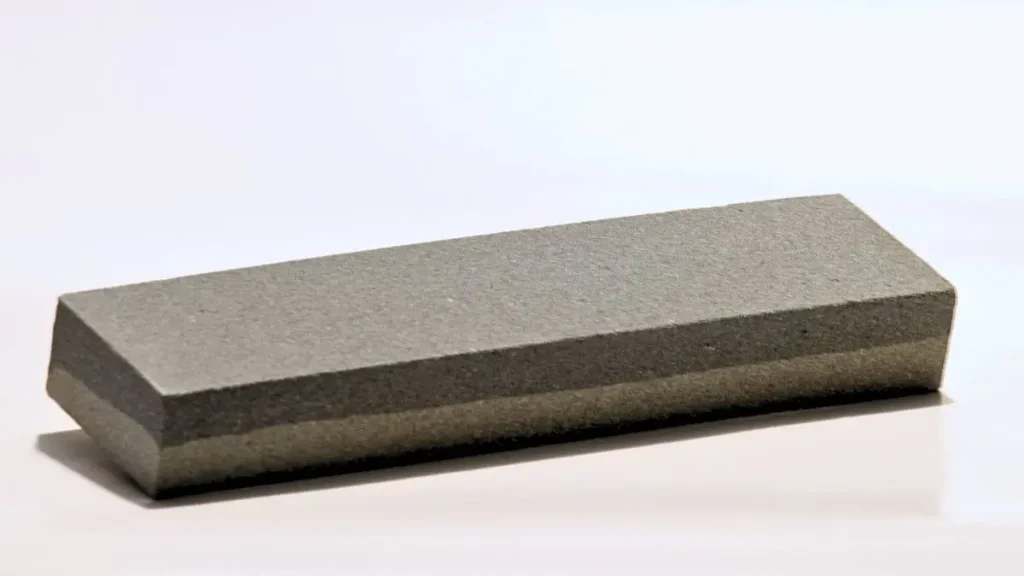
Sharpening stones are the foundation of most sharpening setups. They remove metal in a clean, controlled way and give you the edge quality every chisel or hand plane depends on. For beginners, a two sided stone is usually enough. You flatten the back, polish the bevel and suddenly your chisel starts slicing instead of tearing.
If you want a calm, step by step breakdown when you get to this stage, you can read more in Best Sharpening Stones for Woodworkers (Under construction).
Honing guides
Even experienced woodworkers wobble sometimes when sharpening freehand. A honing guide keeps the angle steady so you can focus on learning the feel of sharpness without guessing. It is one of the best beginner friendly upgrades because it removes all the uncertainty.
When you are ready to see which type fits your chisels and planes, you can visit Best Honing Guides for Woodworkers (Under construction).
Strops and compounds
A strop feels simple, but it does the magic touch at the end. It removes the tiny burr left behind after sharpening and brings the edge to a smooth, polished finish. Many beginners are surprised how big the difference feels after just a few passes.
If you want a small, easy introduction later, you can look at Best Strops and Stropping Compounds for Woodworkers (Under construction).
A Simple Beginner Friendly Buying Order
One of the hardest parts about beginning woodworking tools is not knowing what to buy first. Every list seems to push you in a different direction. To keep things calm and realistic, here is an order that works for almost every beginner, no matter how small your workshop is or what kind of projects you want to build.
Think of this as a practical roadmap. You can move through it at your own pace and your own budget, without buying things you do not need.
Start with your measuring and layout basics
Good measuring tools make every cut easier. They are the quiet heroes of your first projects and the reason your pieces start fitting together without force.
What to get first:
• tape measure
• combination square or speed square
• marking knife or pencil
• a simple marking gauge later
If your marks are clean, your project already feels better before you even plug something in.
Add a drill and driver
A drill is one of the essential tools for woodworking because almost every project needs holes, screws or small fittings. Start with a cordless drill. Add an impact driver only when you feel the need for more power or faster driving.
You will use your drill on:
• pocket holes
• hardware installs
• pilot holes for clean screws
• repeatable hole spacing
This is one of the smartest early purchases because it works across every project type.
Choose your first cutting tool
Most beginners pick either a circular saw or a miter saw first. Both are simple woodworking tools that give you predictable results early on.
A circular saw is better when:
• you break down plywood
• you work in tight spaces
• you want a low cost start
A miter saw is better when:
• you want clean crosscuts
• you build shelves or small furniture
• you prefer a stable, stationary setup
Both are perfectly fine starter woodworking tools. Choose the one that matches the projects you picture yourself building.
Add an orbital sander
The orbital sander is the point where your work suddenly looks more refined. It smooths edges, evens surfaces and removes marks without much effort. Pair it with good sandpaper and your results will jump quickly.
Good beginner grits:
• 120
• 150
• 180 or 220
• 320 later for finish work
If your budget is tight, this tool is still worth buying early.
Bring in clamps and wood glue
Clamps are not glamorous, but they quietly make everything better. They keep your pieces from sliding during glue ups and help your project dry straight instead of crooked. A small set is enough in the beginning.
Helpful early combination:
• two medium bar clamps
• two parallel clamps if you can
• wood glue
• a square to check alignment
Most beginners say the same thing once they finally buy clamps: “I should have done this sooner.”
Add a small router or trim router
When you want cleaner edges or simple joinery, a trim router is one of the nicest upgrades. It turns sharp corners into soft, finished edges and lets you cut shallow dados or grooves.
Start with:
• straight bit
• round over bit
• flush trim bit
That is enough for months of learning.
Choose specialty tools only when a project asks for them
Every woodworker grows in a different direction. Some want curves, some want cabinets, some want outdoor furniture. Buy specialty tools based on your next build, not on a giant checklist.
Examples:
• bandsaw if you want flowing curves
• pocket hole jig if you build frames
• brad nailer if you make cabinets
• spindle sander if you love round shapes
This keeps your workshop clean, affordable and focused.
A small reminder as you work through this list
These tools help you start woodworking without overspending or crowding your small workshop. Move slowly. Add things when they make sense. You will build more confidently that way.
Where to Go Next
If you are ready to go deeper into the woodworking tools for beginners or move forward in your woodworking journey, here is where you can head next.
Want more detail on this stage?
These guides belong to this chapter and cover each tool group in full.
They help you understand the differences, the setups and the techniques behind each beginner friendly category.

Core Tools You Should Start With
A calm overview of the tools that matter most when you begin woodworking.
Optional Tools That Help You Grow
Tools you do not need on day one, but that make learning easier as you go.
Tools That Improve Your Workshop Environment
Cleaner air, less dust and a more comfortable space to build in.
Sharpening Tools You Should Know About
Why sharp tools feel safer, cut cleaner and make woodworking more enjoyable.
A Simple Beginner Friendly Buying Order
A clear order for buying tools without overspending or guessing.
If you’re ready to go deeper or move forward in the journey, here’s where you can head next.
Core Tools You Should Start With
A calm overview of the tools that matter most when you begin woodworking.
Optional Tools That Help You Grow
Tools you do not need on day one, but that make learning easier as you go.
Tools That Improve Your Workshop Environment
Cleaner air, less dust and a more comfortable space to build in.
Sharpening Tools You Should Know About
Why sharp tools feel safer, cut cleaner and make woodworking more enjoyable.
A Simple Beginner Friendly Buying Order
A clear order for buying tools without overspending or guessing.
If you want to explore the woodworking tools for beginners in this chapter more deeply, here is where you can continue.
Cutting Tools
Best Table Saw for Small Workshops (Under construction)
How to choose a table saw that fits your space and how to set it up for accurate results.
Best Miter Saw for Beginners (Under construction)
A clear look at beginner friendly models, clean crosscuts and practical setups.
Best Track Saw for DIY Woodworking (Under construction)
Understand guide rails, splinter control and breaking down sheet goods in a small shop.
Best Circular Saw for Beginners (Under construction)
Straight cuts, blade choices and easy guides that help beginners work confidently.
Best Jigsaw for Woodworking (Under construction)
Learn how to cut smoother curves and avoid tearout while keeping control.
Drilling and Driving Tools
Best Drill for Woodworking (Under construction)
What makes a good beginner drill, how to choose bits and how to drill cleaner holes.
Best Impact Driver for Woodworkers (Under construction)
When it helps, when it does not and how torque settings really work.
Best Drill Press for Small Workshops (Under construction)
A beginner friendly look at perpendicular holes, speed settings and accessories.
Best Drill Bit Sets for Woodworking (Under construction)
Twist bits, brad points and which diameters you actually need.
Measuring and Layout Tools
Best Tape Measures for Woodworkers (Under construction)
Accurate measuring without guesswork.
Best Squares for Woodworkers (Under construction)
How to choose a reliable square and mark clean layout lines.
Best Marking Tools for Woodworkers (Under construction)
Pencils, marking knives and gauges that keep your cuts consistent.
Best Calipers for Woodworkers (Under construction)
Precision checks without overthinking it.
Sanding and Surface Prep Tools
Best Orbital Sanders for Woodworking (Under construction)
Which features matter and how to avoid swirl marks.
Best Belt Sanders for DIY Woodworkers (Under construction)
Fast removal and flattening explained in simple terms.
Best Detail Sanders for Fine Woodworking (Under construction)
Reach tight corners and smaller parts cleanly.
Best Sandpaper Types for Woodworking (Under construction)
Grit ranges, materials and choosing paper that lasts longer.
Joinery and Assembly Tools
Best Woodworking Clamps for Small Shops (Under construction)
How many clamps to start with and how to glue up without stress.
Best Pocket Hole Jigs for DIY Woodworkers (Under construction)
Simple, strong joints for beginners.
Best Dowel Jigs for Woodworking (Under construction)
Accurate alignment and stronger joinery.
Best Brad Nailers and Pin Nailers (Under construction)
When nails help and how to use them safely.
Sharpening Tools
Best Sharpening Stones for Woodworkers (Under construction)
Water stones, grits and simple sharpening steps.
Best Honing Guides for Woodworkers (Under construction)
Why a guide makes sharpening easier for beginners.
Best Strops and Stropping Compounds (Under construction)
A simple finish that makes your edges cut smoothly.
Ready for the next chapter?
→ Woodworking Techniques for Beginners (Part 2)
Learn the core techniques behind your tools so they feel more predictable and your projects more enjoyable.
Back to the full journey?
→ Woodworking Tools and Techniques (Main Guide)
See all chapters in order or return to the beginning if you want the complete overview first.
Frequently Asked Questions
What tools do beginners really need to start?
A tape measure, a square, a drill, a circular or miter saw and an orbital sander are enough for your first real projects.
Do I need a table saw right away?
No. Many beginners work for months with a circular saw or track saw before ever needing a table saw.
Should I buy a router as a beginner?
Not immediately. A trim router becomes useful once you want cleaner edges or simple dados.
How many clamps do I need at the start?
Four is plenty. Two medium bar clamps and two parallel or F-style clamps cover most beginner builds.
What sandpaper grits should I keep on hand?
P120, P150 or P180 and P220 will handle nearly all beginner sanding tasks without overthinking it. P refers to the FEPA grading system.
Trusted by Woodworkers Worldwide
29,000+ woodworking enthusiasts follow my journey. Over 60 real-world workshop projects completed since 2018.
Discover proven techniques to set up a woodworking shop that grows with you

Meet Christophe
Founder & Woodwork Artisan Behind Ash Stag Woodworking
Regards, Christophe