
Working on small projects in a shed can feel oddly inviting, and talking about woodworking in a shed always brings me back to the old garden shed at my parents’ place. Is woodworking in a shed a good and practical option? Yes, it can be a solid option for woodworking, but only if you manage temperature, moisture and space well enough to keep your tools and workflow under control.
I used that shed for small school projects and little fixes, nothing close to a full workshop, but it taught me something important. The space worked surprisingly well in the in-between seasons when the air stayed mild and everything felt calm. Winter made the shed bitterly cold and summer turned it into a slow, heavy heat box, and those swings reminded me how much a shed depends on simple environmental stability.
So let’s take a closer look at when a shed makes sense and when it quietly holds you back.
Why You Can Trust This Advice
- I work in a small 3×6 meter garage, so I understand what tight spaces allow and what they quietly refuse to give.
- About 20 years ago, I tried using a shed as a workshop myself, which gave me a clear sense of how these spaces behave in real life.
- Everything here comes from simple trial, error and small fixes that made cramped work areas feel a little more practical.

– Updated on
Key Takeaways
– You’ll understand what makes a shed feel practical for woodworking and what quietly limits it.
– You’ll notice how moisture, heat and tight space shape your projects more than you expect.
– You’ll see simple ways to steady the temperature and protect your tools in a small wooden building.
– You’ll learn how a few basic upgrades can make a shed feel calmer and easier to work in.
– You’ll understand when a shed is enough for your builds and when another space might fit better.
Disclosure: At zero cost to you, I may get commissions for purchases made through links in this post. I earn from qualifying purchases as an Amazon associate. Products featured are selected based on quality, performance, and reputation, regardless of affiliate relationships.
Table of Contents
What People Usually Mean When They Ask About Woodworking in a Shed
The typical beginner worry
Most people asking about woodworking in a shed are not thinking about fancy layouts or advanced tools. They want to know if the space can handle sawdust, noise and the usual shifts in moisture, but they are mostly wondering if all their tools will fit and whether they can move a sheet of plywood without feeling boxed in. It is a simple question that usually comes from doubt more than confidence.
How this fits into choosing your woodworking space
A shed often becomes the backup plan when a garage or basement is not available. It sits beside other early choices like woodworking in an apartment corner or an outdoor setup. That makes it part of the bigger search for the right woodworking shop space, where beginners try to claim something small and workable without overcomplicating things.
Can You Woodwork in a Shed? A Clear, Honest Answer
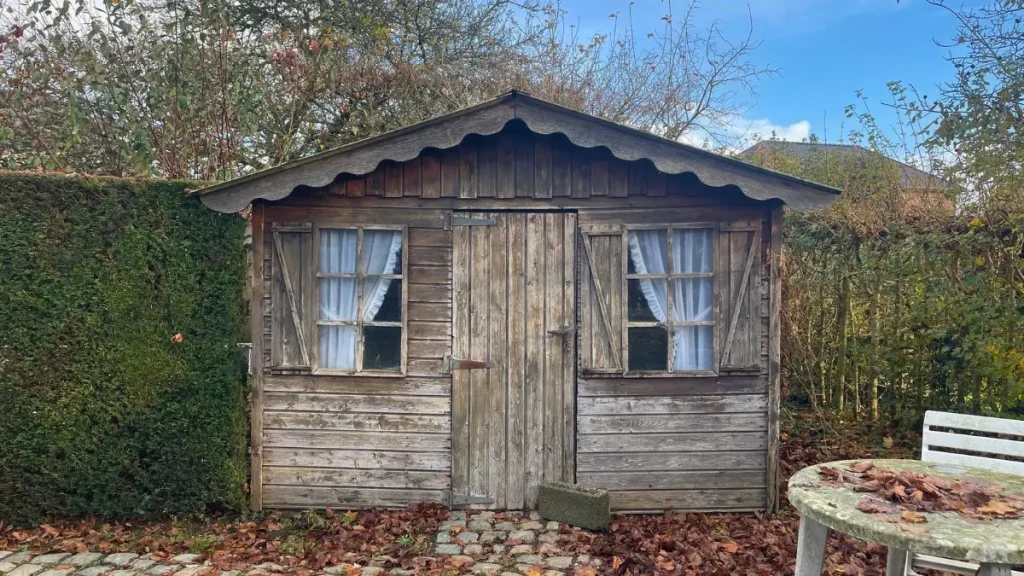
Is a shed good for woodworking? What works surprisingly well
A shed can be a surprisingly workable shop if the basics are right. It is separated from the house, so dust and noise feel easier to manage. It is also a space you can fully dedicate to tools and small builds, something that feels harder in indoor rooms.
What usually becomes a problem
Moisture, temperature swings and the general looseness of a lightweight structure cause most of the trouble. Some sheds get too hot, others stay too damp, and most shift with the weather. These are the kinds of small frustrations beginners often face when they are not prepared for the limits of a tight workspace, the same limits described in some common small shop planning mistakes.
Even if the climate behaves, the space limits the kind of projects you can do. Long boards, large assemblies and anything requiring full movement around a machine quickly feel cramped.
The Real Conditions That Make a Shed Practical
Space basics and simple layout expectations
The exact measurements matter less than whether the shed lets you move comfortably around a bench or a tool. If you want a clearer sense of what feels workable in the early stages, you might check how much room most beginners feel they need for a comfortable starter workshop.
Light, airflow and temperature
Most sheds have minimal airflow, which means heat, dust and humidity tend to stay inside. A small exhaust fan or a simple vent can change the whole feeling of the room. Temperature swings remain a challenge, but lightweight insulation helps balance things a little. Moisture especially can warp wood or rust tools, which is why many beginners try to follow a few basic humidity and temperature guidelines before setting up inside a shed.
Electricity in a Backyard Shed
Bringing power into a shed can feel simple on paper, but beginners often underestimate the small details that make it safe and comfortable. Some people start with a heavy duty outdoor cord, others install a dedicated line once they know the space will stick.
What matters most is having a circuit that is actually suited for an outbuilding, something that can handle your tools without tripping and keeps everything safe. A clean layout that keeps cords away from your feet helps too. Even one reliable outlet can change how the whole shed feels, especially when you move from hand tools to a small table saw or shop vac.
How to Make Woodworking in a Shed Actually Work
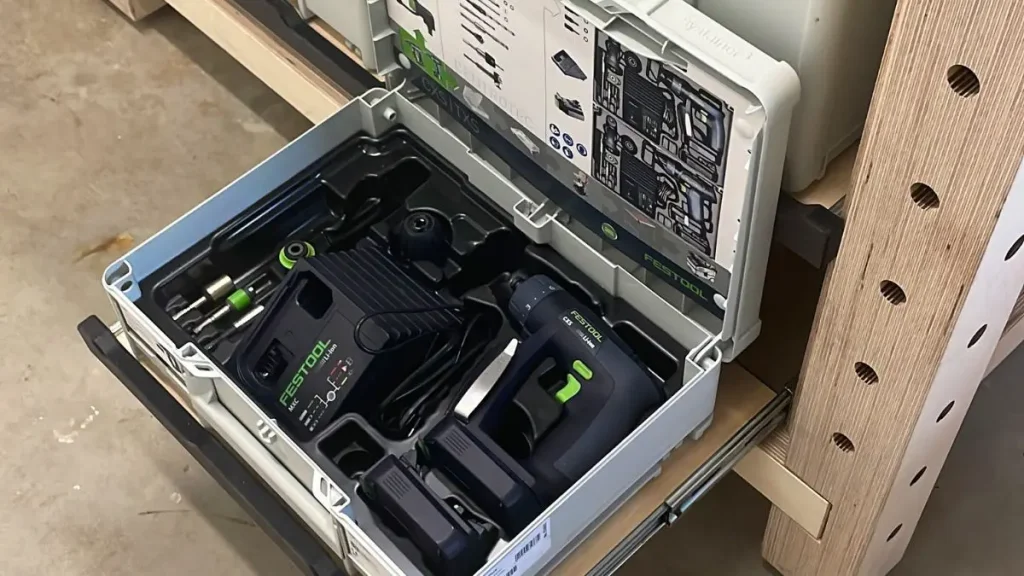
Simple fixes for humidity and tool protection
Humidity is often the silent enemy. A few beginner friendly steps help:
- Keep wood off the floor
- Store hand or power tools in closed boxes
- Use a small dehumidifier in the wet months
- Add a vent to help stale air escape
You will recognize these concerns if you have seen what happens when tools sit too long in a damp corner, something you can also see reflected in some basic moisture advice for new woodworkers (link: How Moisture Quietly Affects Wood and Tools in a Beginner Workshop is under construction).
Small upgrades that help more than you expect
Sheds respond well to small improvements:
- Light colored walls to bounce brightness
- A fold down table for extra surface
- Hooks and rails on the taller wall
- A floor mat to take the edge off winter cold
A simple comparison to visualize the limits
| Shed Strength | Practical Impact | When It Becomes a Problem |
|---|---|---|
| Separate space | Dust and noise stay outside the house | Limited airflow traps heat |
| Easy to dedicate | Tools can stay set up | Very small footprint limits larger builds |
| Modifiable structure | Easy to add vents or shelves | Poor insulation affects comfort |
Tip: A lot of sheds feel uncomfortable because air escapes through the wrong gaps. Sealing the obvious cracks while adding a controlled vent often makes the space feel calmer and more predictable without any major renovation.
When a shed is the right choice and when it is not
A shed makes sense when you work on small projects, use portable tools and want a private workspace. It does not make sense for large furniture builds or extreme climates unless you invest heavily in insulation.
If Your Shed Feels Too Small, Here Are Your Other Options
Using a garage or carport
A garage offers better airflow, more stable temperatures and easier power access, which is why many beginners eventually migrate toward a simple starter workshop setup.
Working outside when weather allows
Some people use their shed only for storage and do most noisy or dusty work outside. That idea naturally fits with the thinking behind working with the weather instead of against it.
A Few Last Thoughts: is a shed good for woodworking?
A shed as a workshop sits in a strange middle place. It is close enough to feel familiar, yet different enough to make you question things twice. As you think through whether woodworking in a shed fits your situation, it helps to remember that most spaces become workable once you understand what they offer and what they quietly refuse to give. There is no perfect answer here, only small decisions that slowly shape the way you build.
And with that in mind, it feels natural to step back and look at where this article sits inside the bigger path.
This supporting post lives inside a much larger path on my site, one that helps beginners move from doubt to a functional first workspace.
Main Guide:
How to Set Up a Woodworking Shop Without Wasting Space in 5 Clear Steps
A grounded overview that helps you think through the broader process of choosing, shaping and preparing a place to work.
Second Guide Level (comes right after the main guide’s introduction):
Woodworking Shop for Beginners: 3 Steps to Claim Your Space
A calm look at what it means to choose a workable area and take the first practical steps toward turning it into something real.
Cluster Post (the one that leads into this supporting article):
Choose the Perfect Woodworking Shop Space (5 Smart Ways)
A closer examination of how to find the spot you can actually build in, and how small constraints shape the experience long before the tools even matter.
Frequently Asked Questions
Can I really use power tools safely when I am woodworking in a shed?
Yes, as long as the shed has steady airflow, enough light and a safe way to bring in power. Most beginners start with smaller tools and build up from there.
How do I keep a shed from getting too hot or too cold?
Simple insulation panels, a small heater or fan and a few vents can turn extreme swings into something much more manageable.
Is a shed big enough for a real workbench?
Often it is, especially if you choose a compact bench and keep the space around it clear. The tight footprint just means you plan your movements a little more.
Will moisture damage my tools if I store them in a shed?
It can, but only if the space stays damp. Closed tool boxes, a small dehumidifier and keeping wood off the floor usually make a noticeable difference.
What kind of projects work best in a shed workshop?
Small to medium builds fit the space naturally. Larger furniture is possible, but it takes patience and sometimes working in stages outdoors.




Leave a Reply