
Sometimes the best lessons come from the floors you’ve stood on. My first shop sat on a simple plywood base that moved more than I expected, and that memory still shapes how I think about questions like “is plywood good for a workshop floor”. The short answer is yes, it can be, but only when the support and conditions are right.
I feel that contrast even more now that I work on cold concrete. Plywood or OSB can feel warmer and softer, but I’ve also seen what happens when a panel floats without real support. That moment when the floor shifts under a machine stays with you. It makes me check stability long before comfort.
Those small experiences guide how I talk about floors today. So let’s take a calm look at what really matters when you choose sheet material for a beginner workshop.
Why You Can Trust This Advice
- I started on a simple plywood floor in a small garden shed, so I learned early how sheet material behaves when it isn’t fully supported.
- My current 3×6 meter garage shop sits on cold concrete, which makes me notice warmth, softness and subtle changes more than most people do.
- I’ve felt a floor shift under a machine before, and that moment changed how closely I look at support, moisture and weight.

– Updated on
Key Takeaways
– You’ll understand how plywood feels and behaves when placed over real shop conditions.
– You’ll see why support and moisture control make such a difference in small workshops.
– You’ll learn how plywood and OSB react under tools and light machines.
– You’ll notice simple checks that help you judge whether your space is ready for sheet material.
– You’ll understand why warmth and comfort matter more than most beginners expect.
Disclosure: At zero cost to you, I may get commissions for purchases made through links in this post. I earn from qualifying purchases as an Amazon associate. Products featured are selected based on quality, performance, and reputation, regardless of affiliate relationships.
Table of Contents
Is Plywood Good for a Workshop Floor?
Plywood can work well as a workshop floor if the conditions underneath are solid. My first plywood floor felt warm and gentle underfoot, and it takes me back to the small shed at my parents’ place where I first worked as a kid in the nineties. That little space shaped how I look at the right woodworking shop space in ways I only understand now.
Problems showed up when the base wasn’t level. Once a panel moves, even a little, you understand where the real issue lies. Many beginners want comfort but forget how much weight, moisture and long term use matter.
A plywood floor usually makes sense when:
- the subfloor is level
- moisture stays under control
- the sheet thickness is strong enough
- the panels rest on full support instead of floating
The mix of warmth and stiffness is what makes plywood appealing. It softens tool noise a bit and makes long sanding sessions easier on your back. Still, the base has to be right. Some beginners set plywood straight on uneven concrete because it feels easy. It rarely ends well. The concrete needs attention first, and leveling often matters more than the material itself.
If you want to understand how all flooring options relate to each other, the larger explanation about workshop flooring gives a gentle overview that puts plywood in the right context.
When Plywood Works Really Well
Plywood shines when the floor underneath is already flat. It stays steady with medium sized machines that rarely move, and this is often when people truly feel whether is plywood good for a workshop floor in their own space
When Plywood Is Not the Best Idea
If your concrete shop isn’t level or if moisture creeps in during colder months, plywood can swell or lose stiffness. That’s usually the moment when people notice a small dip or hear a little creak. In those cases, it helps to look at simple ways to level a workshop floor first so the support becomes dependable.
Understanding OSB as a Workshop Floor
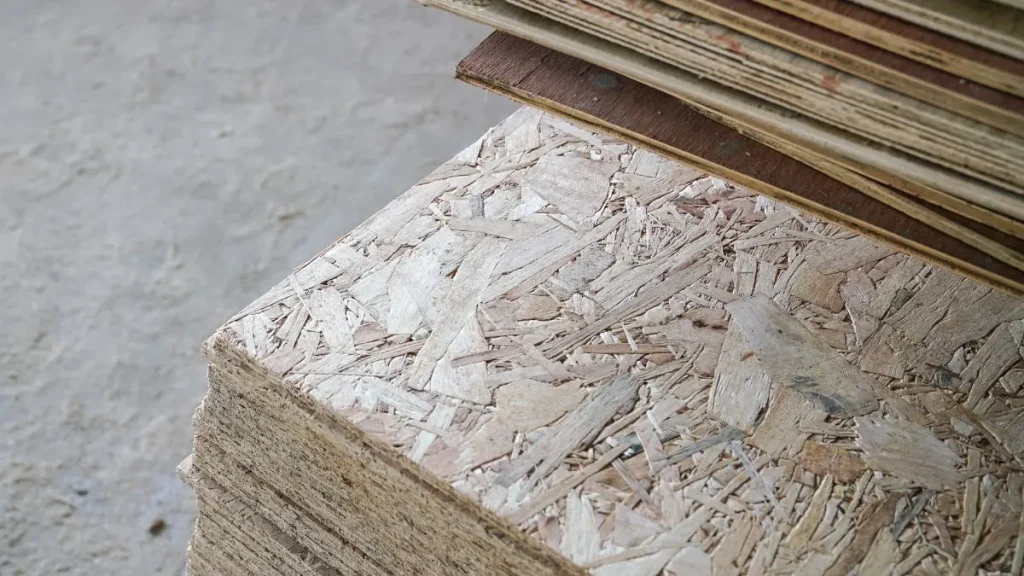
OSB surprises people. They expect it to feel cheap, yet in the right conditions it can be stable and predictable. Some beginners ask “is OSB good for a workshop floor”, and the answer is that it can be, though it reacts differently to moisture than plywood. OSB likes dry spaces. It handles weight well when the edges are protected, but in a damp garage it becomes fragile around the seams.
A simple No products found. helps you catch small changes in the space before they affect the panels, and I use one because my own garage can shift from dry to cold pretty quickly.
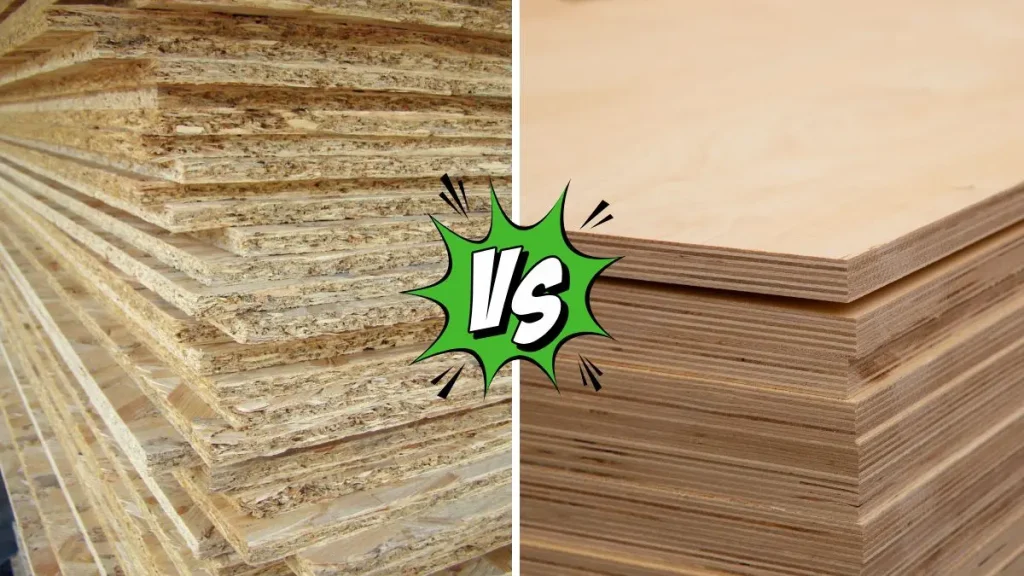
There is a simple way to compare both materials:
| Feature | Plywood | OSB |
|---|---|---|
| Moisture resistance | Better | Needs more care |
| Feel underfoot | Warmer | Firmer but less smooth |
| Long term durability | Strong | Good if kept dry |
This kind of side by side view keeps expectations realistic. OSB works when budget matters or when you expect the floor to be temporary. If you want something warmer and more forgiving, plywood usually wins.
If your space feels cold underfoot, you might find it useful to look into beginner friendly ways to insulate a workshop floor so the panels stay comfortable and steady through the year.
Where OSB Surprises People
OSB feels stiffer than expected on a flat base. It also resists twisting well when the support underneath is even.
Where OSB Makes Things Harder
Edges chip easily, and moisture makes the seams puff slightly. In a colder or humid garage you notice these changes sooner. A little airflow control helps OSB behave more predictably.
Cold mornings can make these effects show up faster, so it helps to understand how to deal with cold workshop floors before choosing any sheet material.
Choosing Between Plywood and OSB for Your Situation
Beginners often think they need to choose the perfect material. The truth is that both can work if they match your space. A simple decision path usually clears things up.
A Quick Way to Decide
Start by asking yourself three things:
- Is my floor level
- Does the space stay dry
- Will heavy machines sit in one place
If the answers lean toward stable and dry, plywood is usually the kinder option. If budget matters more and the setup is temporary, OSB becomes a reasonable choice. It sometimes helps to picture how a workshop floor with plywood feels during winter work, especially if your shop cools quickly.
What I Usually Check First
I often walk around and listen for small shifts in sound. It is a habit from my first shed where the floor moved under a machine. That tiny moment taught me to check weight distribution and moisture before committing to anything.
Tip: Seal the edges. It takes only minutes and makes sheet material last longer. It also slows down the small wear patterns that build up in busy corners.
How to Install Sheet Material Floors Without Overthinking It
You don’t need a complex system to install a plywood subfloor or OSB. Start with the base. If the concrete isn’t level, fix the obvious dips first. A good panel floor begins with support. After that, the process feels more like placing a simple subfloor layer than building something permanent.
Prep the Floor First
Sweep the floor, check for dips, and test a straight board across the surface. Small gaps are fine. Big ones come back to bother you. It is a quiet test, but it reveals a lot.
Simple Installation Steps
- Lay a moisture barrier if the space is prone to cold mornings
- Place the sheets so the seams don’t line up in long lines
- Leave a tiny gap for expansion
- Screw them down on consistent spots to avoid movement
These steps are small, but they make a plywood subfloor feel solid from day one.
Preventing Long Term Damage
Moisture finds the edges first, so sealing them helps. A small coat of floor paint or sealer adds life to both plywood and OSB. Cold climates benefit even more from this simple step. Light forms of workshop floor protection also help guard against dropped tools, spills or stubborn glue that can mark panels over time.
If insulation becomes part of your plan later, you can add it under the panels with straightforward methods that do not require much skill.
A basic No products found. is usually enough, and something like a simple water based option can keep panels steady through winter without feeling heavy handed.
A Few Last Thoughts
Thinking about floors can seem small, but it affects how a shop feels day after day. I have had panels shift under machines and I have had plywood that made winter work a little easier. Those moments shape my answer when someone asks is plywood good for a workshop floor. When the base is solid and the conditions are right, plywood can make sense. Sit with the decision for a moment and it becomes much calmer than it first appears.
This sub-supporting post is part of a smaller path in my site structure, right below the supporting article that led you here.
Cluster Post:
Learn How to Prepare a Woodworking Shop in 3 Easy Steps
This broader guide helps you understand how flooring fits into the bigger picture of getting a beginner workshop ready.
Supporting Article (the one that leads into this supporting article):
A Clear and Simple Workshop Flooring Overview of All Types
This supporting article walks you through the main flooring options in a gentle way and naturally leads into more detailed topics like this one.
Frequently Asked Questions
Is plywood durable enough for tools and machines in a small workshop?
Plywood can handle tools and medium sized machines as long as the base underneath is flat and supported. I have seen it stay stable for years when the space stays dry. If the floor shifts under heavy weight, it usually means the support or leveling needs attention rather than the plywood itself.
What is the best thickness of sheet material for a workshop floor?
Most beginners feel safe starting with thicker panels (18mm or 3/4inch) because they resist flexing better. Thinner sheets work only when the base is perfectly even. I usually test the feel by stepping on a loose sheet before committing to a full layout.
Can you use a plywood subfloor directly on uneven concrete?
You can place it there, but it will rarely feel right. Any dips or bumps in the concrete will show up as movement in the floor, and that is the kind of sensation that makes you lose trust while working. Leveling small problem areas first makes a big difference.
Is plywood good for a workshop floor if heavy machines stay in one place?
It can be, as long as the sheet is well supported underneath. Machines that do not move much tend to settle nicely on plywood. If you ever feel a slight shift under the machine, that usually means the support needs adjusting.







Leave a Reply