
If your floor feels icy in winter and stale in summer, learning how to insulate a workshop floor might be all it takes to make the space calmer and more productive. And yes, even simple beginner friendly insulation adds real comfort and steadier temperature, without turning it into a renovation project. I know that feeling too well. For years I stood on raw concrete, stepping inside to warm up because my feet went numb mid project.
I’ve never gone as far as building a full subfloor, but solving condensation by insulating the metal roof changed how I looked at the shop. The floor became the missing part of the comfort puzzle. And if, like me, your garage door line limits height, that doesn’t mean you’re out of options. There are practical layers that fit small workshops, respect tool stability and still block cold from the slab.
This guide stays close to that idea: light structure, real gains and no drama, just small decisions that make longer sessions feel better.
Why You Can Trust This Advice
- I’ve spent years working in a small 3 by 6 meter garage on a bare concrete floor, noticing how cold surfaces slowly drain focus and energy.
- My garage door limits floor build up, so I look for solutions that stay thin while still giving a calmer and warmer feeling underfoot.
- I care more about stability, moisture safety and long sessions at the bench than about perfect theory, which keeps my ideas practical and beginner friendly.

– Updated on
Key Takeaways
– You’ll learn that insulation can be thin and still bring warmth and comfort to a small workshop floor.
– You’ll see how three simple methods fit different slabs, budgets and garage door height limits.
– You’ll understand why moisture, vapor control and a calm barrier between concrete and wood make tools feel more protected.
– You’ll notice how even modest insulation under panels can sharpen focus during longer work sessions.
– You’ll learn that comfort layers like mats only help feet and belong above, not instead of, real insulation.
Disclosure: At zero cost to you, I may get commissions for purchases made through links in this post. I earn from qualifying purchases as an Amazon associate. Products featured are selected based on quality, performance, and reputation, regardless of affiliate relationships.
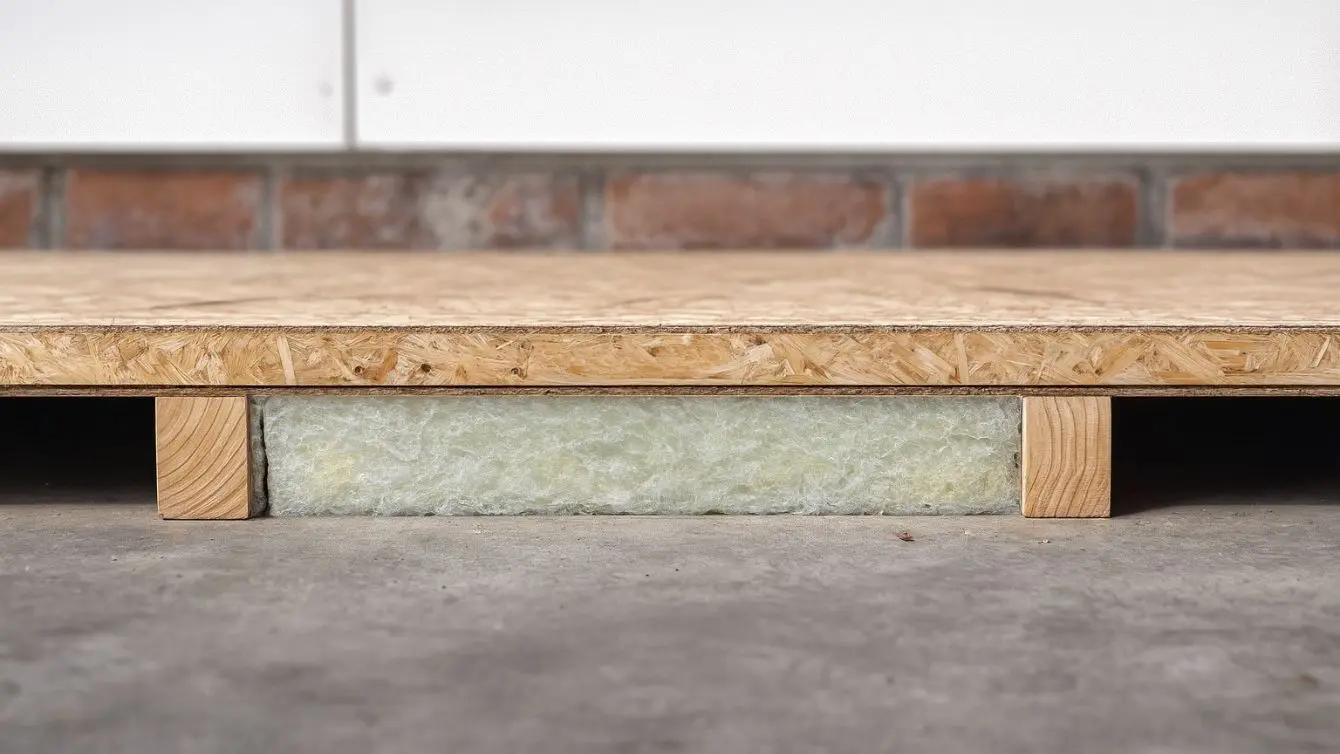
Table of Contents
How to Insulate a Workshop Floor the Simple Way
If you’re trying to figure out how to insulate a workshop floor in a small space, the first thing I’ve learned is that it usually comes down to simple layers rather than anything dramatic. A few materials that block cold transfer and protect against moisture can turn the slab under your feet into something steadier and warmer. The goal isn’t perfection. Just a floor that helps you stay focused through long sessions.
The Three Most Practical Ways to Insulate a Workshop Floor
If you want to insulate a workshop floor without losing much height, three approaches keep showing up in small, real shops. Each one holds back a bit of the cold from the slab, offers stability under tools and respects the limited space beginners often work with.
Foam insulating boards under a solid floor layer
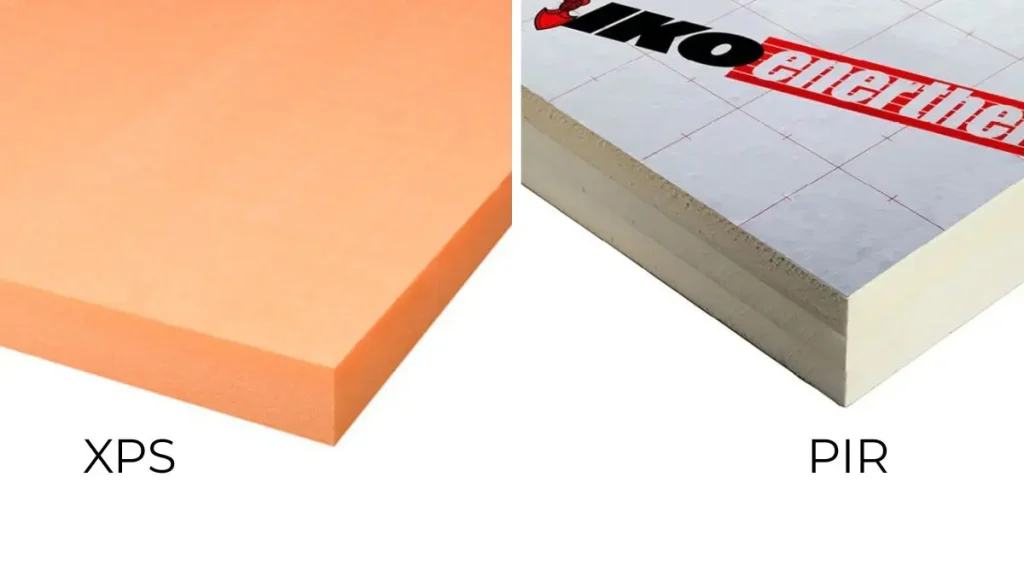
Foam boards like XPS or PIR create a simple but solid thermal break. A top layer of plywood or OSB spreads load so tools sit stable. When the slab isn’t perfectly flat, any workshop floor insulation tends to work better on a level workshop floor because the boards meet cleanly and stay tight.
Here’s a calm comparison of the three realistic methods:
| Method | Typical thickness | Height impact | Thermal effect |
|---|---|---|---|
| Foam boards under a panel layer | Thin to moderate | Mild to noticeable | Strong |
| Subfloor with insulation inside | Moderate (shallow frame) | Noticeable but manageable | Very strong |
| Thin thermal layer under plywood | Very thin | Minimal | Gentle but helpful |
Foam often sits at the balance point. Thin enough to preserve clearance. Strong enough to prevent cold floor discomfort. And easy for beginners to trim or fit. Even modest sheets help insulate a workshop floor on a budget when thicker solutions are off the table.
Small checklist for foam
- mostly flat surface
- tight joints
- plywood layer above
- vapor layer if moisture ever played a role
It’s one of those methods that quietly works without asking for much attention.
Simple subfloor with insulation in between
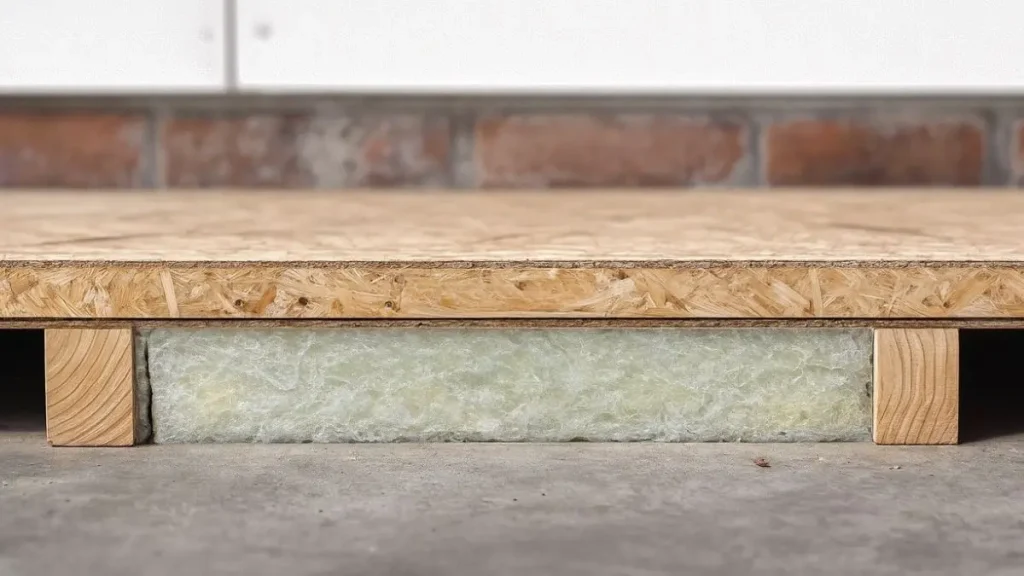
A low frame filled with insulation lifts the work surface slightly and traps still air, which raises thermal resistance to a level foam alone rarely reaches. It also lets you correct dips before fastening a top layer. In the framing logic of a simple workshop flooring overview, this approach lands as one of the strongest solutions for shops that feel cold even in mild weather.
When a subfloor makes sense
- the slab isn’t flat
- stronger insulation is a priority
- heavier machines need a flat base
It asks more work, but gives more control. I’ve seen it used in garages and sheds that never felt warm in spring, and the difference during winter sessions was noticeable even without heavy heating.
Tip: Small shims under the frame can tune the surface into a calmer plane, especially in older garages where concrete rarely sits even.
Thin thermal layer under a plywood or OSB floor
When headroom is tight, a thin thermal layer can still insulate a workshop floor in a modest but useful way. Slim PIR sheets, reflective materials or light EPS boards don’t match thick foam, yet they break cold transfer and soften abrupt temperature shifts.
This works especially well on a concrete workshop floor that always feels cold to the touch, even long after heat runs. The gain is subtle. But subtle helps more than you’d think. It also offers a buffer that protects floor materials from moisture in a workshop by lifting them a small step off the slab.
When thin layers fit best
- door clearance is limited
- slab is already flat
- you want a quick thermal break
- budget favors small steps over full rebuilds
Foam and subfloors feel stronger. Thin layers feel practical. Sometimes that’s all a beginner needs.
How to Choose the Right Method For Your Space
Choosing usually settles when you look quietly at your floor.
If thermal strength matters most, foam boards under a plywood layer sit high on the list.
If dips or slopes complicate things, a shallow subfloor manages workshop insulation and leveling at once.
If your garage door line leaves little space, thin layers respect that limit and still help insulate a workshop floor on a budget.
Moisture matters too. If you’ve ever seen tools fog lightly, the ideas behind humidity and temperature in a workshop(link: “Beginner Guide to Humidity and Temperature in a Woodshop” is under construction) add perspective to workshop insulation choices and gentle vapor control. A thin vapor layer under insulation keeps materials from holding dampness against concrete.
You don’t need the best method. Just one that fits your space, your tools and the way you like to build.
Moisture, Vapor And Tool Protection
Cold concrete meets warm air and sometimes leaves marks on metal. I saw that before insulating my metal roof, and once that was solved, the floor started to feel like the next missing piece.
Insulating concrete floors won’t erase moisture, but it helps prevent cold floor surfaces from amplifying temperature swings. When insulation rests over a vapor layer, wood, foam and panels stay slightly removed from the slab, which offers a quiet kind of protection against moisture in a workshop over time. Tools tend to stay calmer. Metal feels less tense to the touch. These are small things, but I’ve noticed them enough to trust them.
Sometimes a cold slab just needs quiet cold workshop floor fixes alongside insulation, especially when the air meets concrete in sharp temperature swings.
Adding Comfort Without Calling It Insulation
Workshop floor mats and interlocking tiles (article is under construction) don’t replace workshop floor insulation. They soften impact and dull the bite of cold concrete. Interlocking tiles help insulate a workshop floor on a budget only in the narrow sense that your feet lose less heat to the slab. I’ve enjoyed them under a workbench for longer sanding or layout sessions. They’re easy to move and don’t get in the way.
Short reminder list
- mats soften impact
- tiles give a clean finished look
- neither blocks moisture
- neither offers real insulation
They fit well above one of the three actual insulation layers. Not instead of them.
Safety, Height And Machine Stability
Comfort matters, but accuracy matters more. Machines need a solid surface that doesn’t compress. If the slab isn’t flat, insulation rests better on a level workshop floor because edges sit calm and panels don’t fight each other.
Garage doors set quiet boundaries. Thin layers respect that line and avoid snagging. When someone asks if insulating a workshop floor is worth it, I think back to winter days on bare concrete. Warm feet and steadier air aren’t dramatic changes, but they stay with you and make building feel easier.
A Few Last Thoughts on workshop floor insulation
Figuring out how to insulate a workshop floor can feel more technical than it really is. Most of the time it’s just choosing the layer that fits your space and trusting that even small improvements can shape long sessions in a good way. I still like the idea that workshop insulation sits quietly under everything you build, working in the background without asking for attention. And if your shop shares anything with mine, a calmer floor usually means calmer work too.
This sub-supporting post is part of a smaller path in my site structure, right below the main supporting article that led you here.
Cluster Post:
Learn How to Prepare a Woodworking Shop in 3 Easy Steps
This cluster is the wider path that gives context around materials, walls, layout and a simple workshop flooring overview, so the insulation choices in this article sit in a clear place.
Supporting Article (the one that leads into this supporting article):
A Clear and Simple Workshop Flooring Overview of All Types
That supporting blog lays out the broader floor decisions first and makes the idea of insulating a workshop floor feel more grounded before zooming in on this specific topic.
Frequently Asked Questions
Is insulating a workshop floor worth it if the space is small?
For most small workshops it is. Even thin insulation helps block cold from the slab and makes longer sessions more comfortable. I’ve felt the difference myself after years on bare concrete. It’s not magic, just a quieter kind of comfort that adds up over time.
Can I insulate a workshop floor without building a full subfloor?
Yes, you can. Foam boards with a panel layer on top or a thin thermal layer under plywood both work without lifting the floor much. They still help prevent cold floor discomfort without becoming a renovation project.
Will floor mats or interlocking tiles give the same insulation effect?
No. They soften impact and reduce the sharp bite of cold concrete, but they don’t provide real insulation. They’re good for comfort in standing spots, and I’ve enjoyed them under a workbench, yet they don’t replace actual thermal layers.
How thick should insulation be if I’m limited by my garage door height?
Thinner layers still help when clearance is tight. Slim PIR boards or reflective insulation under a panel floor keep the profile low while easing the cold transfer. I’ve worked with that limit myself, and small gains can feel surprisingly noticeable.








Leave a Reply