
Working in a small shop changes a lot once winter settles in. A cold workshop floor doesn’t just feel uncomfortable. It slowly pulls the warmth out of your feet and shifts your focus away from the work. The short truth is simple. You fix it by adding something between you and the concrete so your body has a softer, warmer place to stand.
I remember my first winter on bare concrete. Summer had felt open and refreshing, but winter made every quiet task feel heavier. My feet stayed cold, my back stiffened sooner than it should, and I found myself walking inside just to warm up. It taught me quickly how much the floor shapes the atmosphere of a small shop.
There are a few straightforward ways to soften that surface, and none require a rebuild. Let’s walk through the ones that matter most so you can choose what fits your space.
Why You Can Trust This Advice
- I have spent winters working on a bare concrete floor in a small 3 by 6 meter garage, feeling every bit of cold through my feet before I understood how much it slowed me down.
- I have tried simple fixes first, like loose mats and scrap plywood, and learned quickly which ones shift, curl or get in the way when you move around a lot.
- I only recommend solutions I would use myself in a tight workspace where every square foot has to stay practical and safe.

– Updated on
Key Takeaways
– You’ll understand how a small layer between you and concrete can change the feel of a cold shop.
– You’ll learn simple ways to warm up the floor without rebuilding anything.
– You’ll see how comfort improves when you choose a mat or panel that fits your workflow.
– You’ll notice how moisture affects the temperature under your feet and why checking for it matters.
– You’ll learn when a temporary subfloor makes sense in a tight workspace.
– You’ll see how even small changes help you stay focused longer in a beginner shop.
Disclosure: At zero cost to you, I may get commissions for purchases made through links in this post. I earn from qualifying purchases as an Amazon associate. Products featured are selected based on quality, performance, and reputation, regardless of affiliate relationships.
Table of Contents
A Simple Look at Why Your Workshop Floor Feels Cold and Hard
A cold workshop floor is mainly about how concrete behaves once temperatures drop. It pulls heat away faster than you expect, especially when moisture lingers near the surface. When you understand why it feels that way, the path to comfort becomes clearer. Many of these ideas connect naturally with the larger flooring overview in the workshop flooring guide.
How moisture makes floors feel colder
Concrete absorbs and releases moisture slowly. That thin layer of dampness can sit close to the surface and amplify the cold. Even a small garage feels colder when the floor takes longer to dry. If you ever notice a light, sticky coolness underfoot, the beginner guide to humidity and temperature (link: Beginner Guide to Humidity and Temperature is under construction) helps explain what is happening.
When a hard floor becomes a comfort problem
Cold is one part of the story. Hardness is the other. Standing still at the bench or sanding station makes a hard surface feel twice as unforgiving. I often feel it first in my lower back or in the way my feet start shifting around. A small layer between you and the concrete softens that impact and makes the space easier to stand in.
I have also felt a big difference when using No products found. because they keep the cold from creeping up through the soles during longer sessions.
Also read: Is a Concrete Workshop Floor Truly Good for Woodworking?
Simple Fixes That Warm Up a Cold Workshop Floor Fast
You do not need a permanent solution to take the edge off a cold concrete floor. A few small steps already change the temperature under your feet.
Here are a few quick options on how to warm up a workshop floor that beginners try first:
- A simple anti fatigue mat where you stand the most
- Carpet tiles or an old rug for temporary warmth
- Foam tiles or interlocking tiles help with cold floors
- A sheet of plywood to block cold transfer
These fixes for cold concrete floors all work differently, but each one adds a little separation from the cold concrete.
A small No products found. can help a little too, especially if you aim it toward your feet rather than trying to warm the whole room.
Surface options that add instant warmth
Interlocking tiles, rubber panels or a temporary plywood sheet warm up the spot where you stand faster than you expect. They reduce heat loss and create a softer surface for long sessions. If you ever want something more structural later, the insulation guide in How to Insulate a Workshop Floor explains how to choose the right approach.
Something like a small set of rubber or foam tiles works well because they are light, easy to move and warm up quickly underfoot.
Materials that help without changing the whole floor
Small rugs, carpet tiles or floor mats are the simplest way to warm up the area where you stand most of the time. The comparison in Best Workshop Floor Mats shows how different textures and thicknesses behave in real shops.
Tip: Start with one tile or one mat in the spot you use the most. You will know quickly if the material is right for your shop.
How to Soften a Hard Workshop Floor
Sometimes warmth is not the issue. You just want a surface that feels softer and a little more forgiving. Good workshop floor protection also keeps sharp tools from chipping when they slip from the bench and helps prevent glue or finishes from leaving marks you cannot sand out later.
Choosing the right mat for long sessions
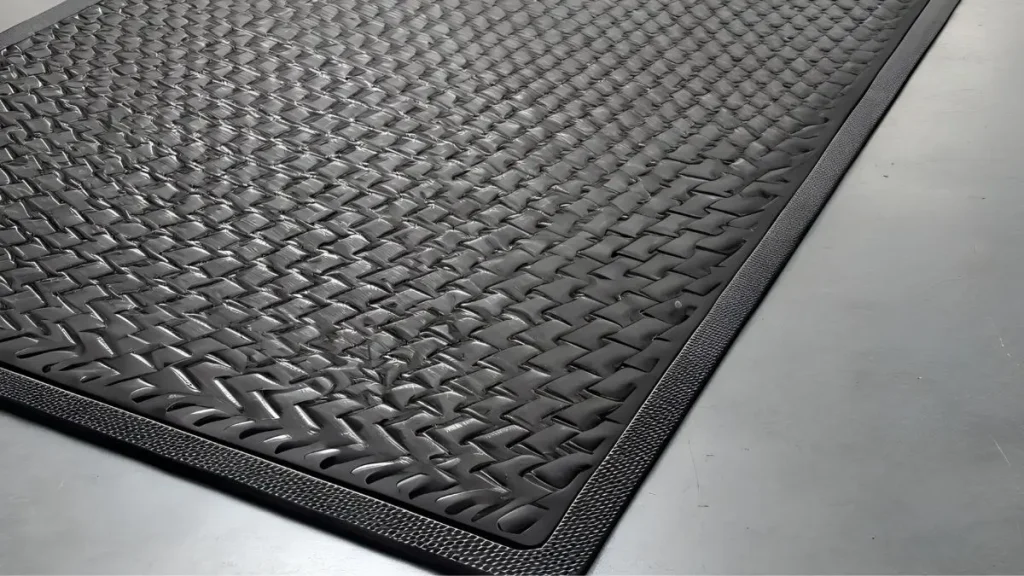
If you stay mostly at your main bench, a thicker anti fatigue mat spreads pressure more evenly and helps you stand longer. If you switch between stations, look for a mat that grips the floor so it stays where it belongs.
Here is a simple table to compare how different materials behave on a cold concrete floor:
| Material | Warmth | Softness | Movement Risk |
|---|---|---|---|
| Anti fatigue mat | Medium | High | Low |
| Foam tiles | High | Medium | Medium |
| Carpet tile | Medium | Low | Medium |
| Plywood sheet | Low | Medium | Low |
When to try a temporary subfloor
A temporary subfloor works when you want a sturdier surface than a mat. It spreads your weight and softens the whole area. Light plywood panels or modular floor tiles are easy to shift or lift, which keeps things flexible in a small workshop.
I sometimes use a basic plywood subfloor panel because it lifts easily and adds a calmer, more solid feel without changing anything permanently.
Tip: Try one panel first and see how it behaves with your shoes and your workflow. It is better than committing to a full section right away.
When You Might Need Something More Permanent
Quick fixes help, but sometimes a cold workshop floor still pushes through. That is when a more consistent layer becomes useful.
Light subfloors that work in small shops
A thin subfloor blocks the chill and spreads your weight more evenly. Even a few connected panels can change how the floor feels.
A note about moisture before you upgrade
“The first winter I worked in my shop I kept moving around just to avoid the cold spot under my feet. One small mat made more difference than I expected.”
Adding material on top of concrete can trap moisture if the surface is not fully dry. I once placed a loose sheet of OSB during winter and noticed dampness underneath a few days later. Since then I always lift the panel and check before committing to anything bigger.
Tip: If the concrete feels cool and slightly damp to the touch, give it time to dry before covering it.
A Few Last Thoughts
Cold workshop floors have a way of slipping into the background until they slowly wear at your focus. Once you soften that surface a little, the whole shop feels calmer. I still notice it on colder days when I step in and my feet land somewhere warm instead of straight on concrete. It is a small shift, but it changes the way you move through the space. If your own cold workshop floor has been nagging at you, even a simple layer can make the room feel more like a place you want to stay in. This is usually the point where people start looking back at the wider setup of their beginner shop, almost without thinking about it.
This sub-supporting post is part of a smaller path in my site structure, right below the main supporting article that led you here.
Cluster Post:
Learn How to Prepare a Woodworking Shop in 3 Easy Steps
This overview helps you understand the broader setup of a beginner workspace, especially when you want to see how flooring choices fit into the rest of your shop preparation.
Supporting Article (the one that leads into this supporting article):
A Clear and Simple Workshop Flooring Overview of All Types
This supporting guide gives you the wider context of workshop flooring and naturally brings you closer to this specific question about comfort on cold concrete.
Frequently Asked Questions
Why does my cold workshop floor feel worse in winter even if the air temperature seems fine?
Concrete holds onto cold longer than the air, especially when moisture settles on the surface. Even on mild days you can feel the chill rising into your shoes. I notice it most during slow, steady cuts where I stand still longer.
What is the simplest way to warm up a cold workshop floor without building anything permanent?
A single mat or a small patch of carpet tile usually makes the quickest difference. It breaks the contact with the cold concrete and warms under your feet within a few minutes. It is an easy way to test what works in your shop.
Is it safe to put a temporary subfloor on concrete if I am worried about moisture?
It can be safe as long as you check the concrete before placing anything. If it feels cool and tacky, let it dry first. That small pause helps avoid trapped moisture.
Can a cold workshop floor affect focus and productivity?
Yes, a cold workshop floor slowly distracts you. Your body shifts to stay warm and your mind follows. Once you add even a thin layer, the space feels steadier and easier to work in.








Leave a Reply