
Starting woodworking at home rarely begins with a clean bench or a clear plan. For me, it started with no space at all. Just a corner of a room, tools stacked on top of each other, and the small routine of carrying everything outside whenever I wanted to work. Weather often decided more than I did. Still, that was enough to begin. And that turned out to matter more than I expected.
So the real question is simple and familiar to many beginners. How to start woodworking at home when space is tight and conditions are far from ideal. Yes, you can start woodworking at home, as long as you adapt your approach to the space you have instead of waiting for the space you want. I learned that slowly, by working around limits rather than trying to eliminate them. That way of thinking still shapes how I build today.
Many beginners get stuck because they picture a full workshop first. Big space. Big tools. That image is everywhere online, and it can quietly stop you before you ever touch wood. What follows is a calmer way in. One that works in real homes, with real constraints, and grows naturally over time.
Why You Can Trust This Advice
- I started woodworking with no real space at all, just a corner of a room and tools I had to carry outside every time, so my approach grew out of real limits, not ideal conditions.
- I now work in a single-car garage of about 3×6 meters, where every tool and surface has to earn its place and still be practical to use day after day.
- My focus is always on setups that actually get used, shaped by weather, noise, dust, and shared space, not by what looks impressive on camera.

– Updated on
Key Takeaways
– You’ll learn how to work with the space you already have instead of waiting for ideal conditions.
– You’ll understand which parts of a home setup matter most for safety and comfort.
– You’ll see why small, temporary setups often lead to more consistent woodworking habits.
– You’ll notice how choosing the right first projects makes home woodworking feel manageable.
– You’ll understand how real small-shop experience shapes practical decisions over time.
Disclosure: At zero cost to you, I may get commissions for purchases made through links in this post. I earn from qualifying purchases as an Amazon associate. Products featured are selected based on quality, performance, and reputation, regardless of affiliate relationships.
Table of Contents
How to Start Woodworking at Home With the Space You Already Have
When people think about how to start woodworking at home, they often imagine a room that already feels like a workshop. That image can quietly block progress. In reality, most home setups start as something temporary, shared, and a little imperfect.
Starting woodworking at home is less about claiming a perfect space and more about reading the space you already live in. A corner of a room. Part of a garage. A spot that only exists when you set it up. That flexibility is not a weakness. It is often what makes woodworking in a small space workable in the first place.
When you look at your home honestly, a few things matter more than size. Can you stand comfortably? Can you support a board without it wobbling? Can you clean up without friction? If most answers are yes, woodworking at home is already possible, even when the space feels limited.
This mindset also changes expectations. You are not building a workshop yet. You are building a way to work. That shift makes woodworking in a small space feel manageable instead of restrictive.
Choosing a Spot That Works in Real Life
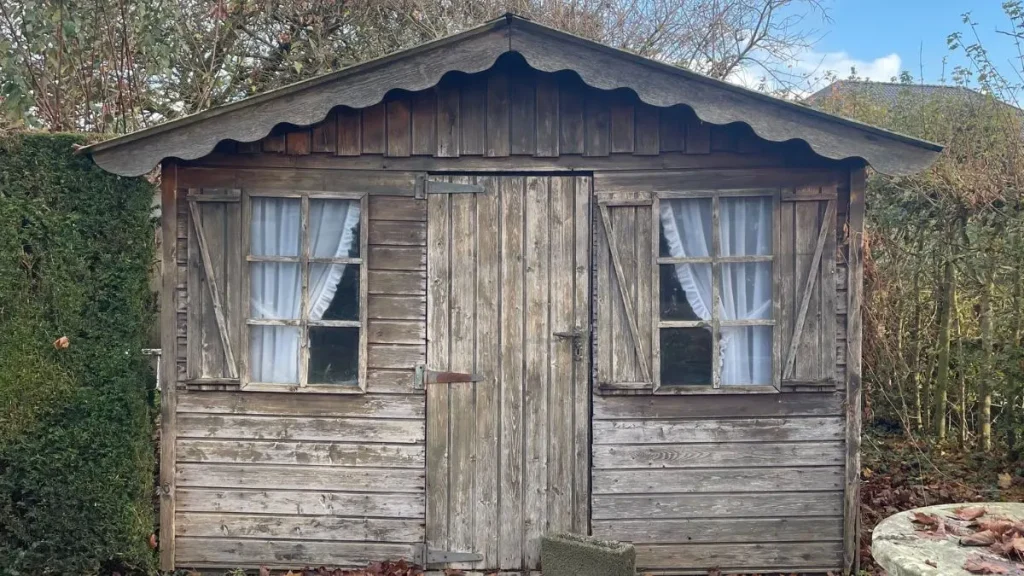
Finding a place for woodworking at home usually comes down to accepting trade-offs. This is especially true when you are dealing with woodworking in an apartment, a shared home, or woodworking without a garage.
Shared spaces, small rooms, and quiet corners
Many beginners assume woodworking in an apartment means constant compromise. In practice, it often means being deliberate. A quiet corner where tools can be stacked. A fold-out surface that only exists when needed. A setup that disappears when life takes priority.
Working this way forces clarity. You quickly learn which tools earn their place and which ones only seem useful online. Over time, woodworking without a garage becomes less about what you lack and more about what you actually use.
Light, floor, and basic clearance
Some basics are easy to overlook. Light matters more than square footage. A stable floor matters more than storage. Clearance matters more than symmetry.
If you can stand without bumping into things, see your work clearly, and move a board without twisting your body, the space is already usable. This is often where woodworking without a garage quietly succeeds.
The same logic applies to the idea of working without a dedicated workshop at all. Real progress often starts with small, practical checks like these.
A quick check before you commit to a spot at home
- I can stand and move without bumping into tools or furniture
- I can clamp or support a board without it wobbling
- There is enough light to clearly see cut lines and edges
- Cleanup will not feel like a burden every time
- Noise and dust are manageable for the people around me
The Minimum Setup for Woodworking at Home
One of the fastest ways to stall is to overbuild a setup before you understand your habits. A minimal approach keeps woodworking at home flexible and forgiving.
Tools that make sense indoors
Tools for woodworking at home should favor control over raw power. Noise, dust, and portability matter more indoors than capacity. This is why many beginners do better starting with fewer tools they can move, store, and understand.
A simple setup often includes:
- A compact saw or hand saw that feels predictable
- A drill you trust
- A few clamps that fit your space
- Measuring tools you can reach without digging
These tools for woodworking at home support beginner progress without locking you into a rigid setup. They also connect naturally with broader questions about what it actually costs to get started, without turning the process into a shopping decision.
Workholding before more tools
Before adding more tools, stability deserves attention. A board that moves will slow you down more than a missing machine ever will.
Many beginners underestimate how far simple workholding can go. Even a temporary bench can feel capable when paired with clamps and thoughtful positioning. This also overlaps naturally with thinking about what you really need to begin woodworking (link: “What Do I Need to Start Woodworking?” is under construction), without pushing toward unnecessary upgrades.
Dust, Noise, and Safety When You Work at Home
Woodworking at home brings different concerns than a large shop. Dust settles faster. Noise travels further. Safety feels closer.
Keeping dust and noise manageable
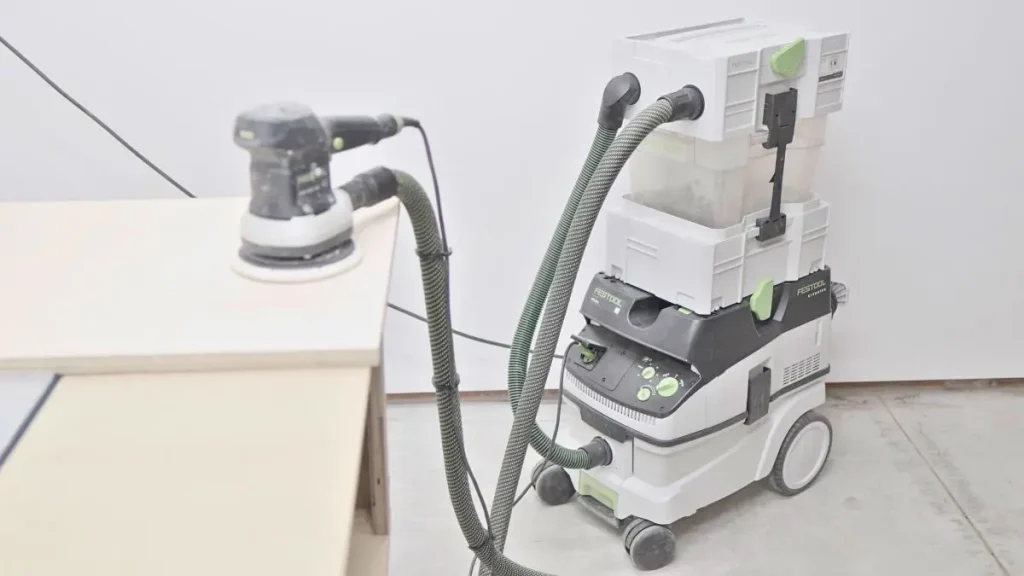
Woodworking indoors does not require a full dust system, but it does require awareness. Small habits help more than complex solutions. Cleaning as you go. Choosing cuts that create less mess. Opening a door when possible.
That said, a small dust extractor paired with a cyclone can already make a noticeable difference. It does not have to be a big investment to work well. In my own shop, a No products found. combined with a No products found. keeps dust levels surprisingly low, even in a confined space. Festool is widely known for reliable, consistent dust control, and in daily use that reputation holds up.
For people working with woodworking in an apartment, this kind of setup often makes the difference between constant tension and a space that feels manageable. Dust control does not need to be perfect. It needs to be consistent.
Basic safety habits that matter more at home
Safety at home is less about extreme hazards and more about small lapses. Tripping over cords. Reaching awkwardly. Working when tired.
These concerns align naturally with the broader question of whether woodworking is dangerous for beginners (link: “Is Woodworking Dangerous?” is under construction). At home, awareness replaces rigid rules. The space itself encourages you to slow down.
Starting Small With the Right First Projects
The fastest way to build confidence is to finish something. That matters even more when you are learning how to start woodworking at home.
Why small projects build faster confidence
Large projects demand space, time, and tolerance for mess. Small projects demand focus. They also fit better into shared environments.
Beginner woodworking at home benefits from projects that can be started and stopped without friction. A stool. A box. A simple shelf. These projects teach more than their size suggests.
What makes a project home-friendly
Home-friendly projects usually share a few traits:
- Short build time
- Limited tool changes
- Manageable parts
- Easy cleanup
This naturally overlaps with projects that help beginners build skill without feeling overwhelmed. The key is not complexity. It is continuity.
A Quick Reality Check From Experience
I did not start woodworking in a garage. I started by stacking tools in a corner and carrying everything outside whenever the weather allowed. Space was always the limit. Sometimes the weather was too.
What surprised me was not how hard that felt, but how normal it became. Working around those limits taught me to use space carefully and stop waiting for ideal conditions. When I eventually moved into a single-car garage, that habit stayed. The space grew. The mindset did not need to.
Tip: Treat your setup as temporary, even if you use it every week. When it is easy to set up and easy to put away, woodworking at home becomes something you return to instead of postpone.
Where to Go Next After You Start Woodworking at Home
Once woodworking at home feels normal, the next steps tend to appear naturally. Skills grow. Projects change. The space adapts.
Some people lean deeper into fundamentals. Others refine how they use tools. Many slowly move toward a more intentional layout, guided by real use rather than ideas. That progression often touches broader thinking about setting up a woodworking shop without wasting space and, later on, choosing a clear direction within woodworking tools and techniques.
A Few Last Thoughts
Starting woodworking at home rarely feels clean or finished. It usually begins a little sideways. A corner that works for now. Tools that move around. Small adjustments that quietly add up. That is not a flaw in the process. It is the process.
If you are figuring out how to start woodworking at home, it helps to remember that progress often looks quiet. You build a little. You learn what fits. You change one thing at a time. Over time, the space starts to make sense because you are using it, not because it was perfect from the start.
From here, it becomes less about whether your setup is good enough, and more about where you want to take it next.
This supporting post lives inside a much larger path on my site, one that helps beginners move from doubt to a functional first workspace.
Main Guide:
Woodworking for Beginners: Best Guide to Start the Smart Way
A calm, big-picture overview that helps beginners understand what actually matters early on, without pushing them toward tools or setups they do not need yet.
Second Guide Level (comes right after the main guide’s introduction):
How to Start Woodworking (Beginner Roadmap Explained) (article is under construction)
A structured way to think through starting points, decisions, and trade-offs, especially when space, budget, or experience are limited.
Frequently Asked Questions
Can I really start woodworking at home without a dedicated workshop?
Yes. Most people who start woodworking at home do so with shared or temporary space. What matters is not the room itself, but whether you can work safely, see clearly, and clean up without friction. That is usually enough to begin.
How much space do I actually need to get started?
Less than most beginners expect. A small area where you can stand comfortably and support a board is often enough. Many first setups work fine in a corner of a room or a narrow garage bay.
Is woodworking at home realistic if I live in an apartment?
It can be, especially when woodworking in an apartment is approached with quieter tools and smaller projects. Noise, dust, and timing matter more than square footage. Small adjustments tend to solve most of the tension.
Do I need special tools to work safely at home?
No special tools, but the right habits help. Stable workholding, good lighting, and taking your time matter more than power or size. I learned early that control beats speed in home setups.
What is the biggest mistake beginners make when starting at home?
They wait for better conditions instead of working with what they have. The setup does not need to be permanent or impressive. It just needs to be usable today.
If you want neutral background information beyond woodworking itself, these references offer clear, non-commercial context:
- ergonomic working postures
A general overview of posture, movement, and repetition from a workplace perspective, useful when working in constrained or improvised setups. - noise exposure over time
A factual explanation of how ongoing noise affects the body, relevant when working in shared spaces or apartments.





Leave a Reply