
There is a moment many people recognize, even if they do not talk about it much. You like the idea of working with wood. You watch a few builds, maybe scroll through photos, and something about it keeps pulling your attention back. And then the doubt slips in. Quietly, but firmly.
Can you start woodworking with no experience? Yes, you can. Almost everyone who builds with wood today began exactly there, unsure and slightly intimidated by how much there seems to be to learn. Experience does not come first. Time at the bench does.
I first touched woodworking when I was young, in school, and even then it felt awkward and frustrating. I compared myself to others, thought I lacked talent, and wondered if this was simply not for me. What changed was not theory or better tools, but repetition. Doing the same thing again until it slowly started to feel familiar. If that hesitation sounds recognizable, this is a good place to pause and reset your expectations before taking the next step.
Why You Can Trust This Advice
- I learned woodworking by doing, starting young with simple joinery and a lot of repetition, not by memorizing theory first.
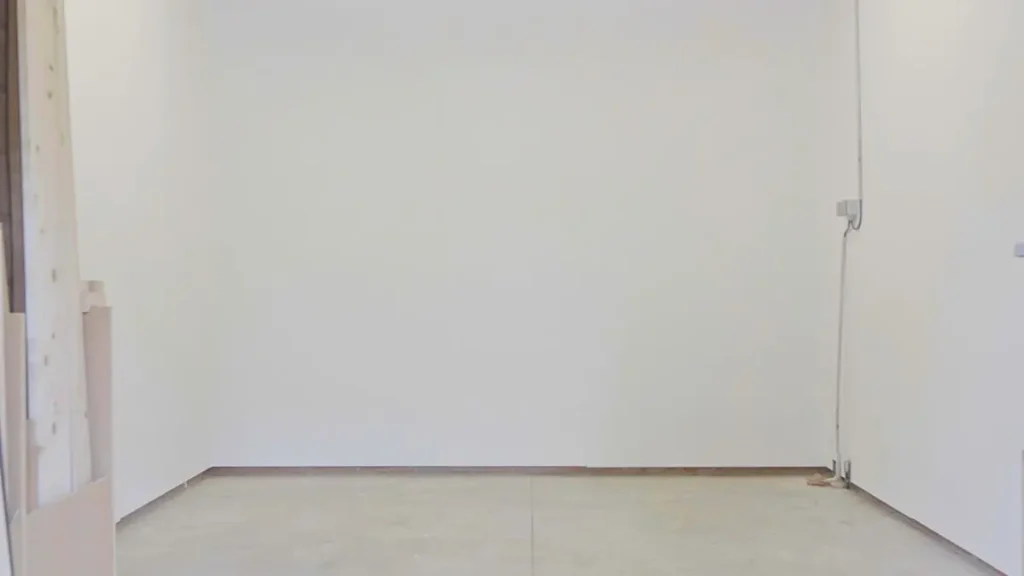
- I still work in a small 3×6 meter garage shop, which keeps my approach focused on realistic setups and simple, repeatable habits.
- When beginners ask for advice, I pay more attention to how they practice and build confidence than to what tools they own.

– Updated on
Key Takeaways
– You’ll understand why starting without experience is more common than it seems.
– You’ll see how small, repeated actions matter more than talent or theory.
– You’ll notice which early expectations tend to cause the most frustration.
– You’ll learn what actually helps confidence grow in the first projects.
– You’ll understand how limited space can quietly support focused learning.
Disclosure: At zero cost to you, I may get commissions for purchases made through links in this post. I earn from qualifying purchases as an Amazon associate. Products featured are selected based on quality, performance, and reputation, regardless of affiliate relationships.

Table of Contents
Can You Start Woodworking With No Experience in Practice?
When people ask whether they can start woodworking with no experience, they often imagine two extremes. Either you magically know what you are doing, or you are completely lost and dangerous to yourself and your tools. Real life sits somewhere in between.
Starting woodworking with no experience usually means you do not yet trust your hands. You hesitate before every cut. You double check measurements that still end up slightly off. That is normal. It is also how almost everyone begins, whether they admit it or not.
What matters more than experience is repetition. The same small actions, done again and again. Measuring. Marking. Cutting. Adjusting. Over time, your hands move with less tension. That is when learning starts to feel real.
Many beginners think they first need confidence to begin. In practice, confidence comes from beginning. That is why can you start woodworking with no experience is almost the wrong question. The real question is whether you are willing to feel awkward for a while while things settle.
At this stage, it helps to have a basic sense of how wood behaves and how simple joints come together. Those early fundamentals often fall under basic woodworking skills and terminology explained clear. Not because you need to memorize definitions, but because naming things helps you recognize what is already happening in your hands.
What “no experience” actually looks like
No experience does not mean starting from zero as a person. You already understand pressure, alignment, and patience from everyday tasks. Woodworking simply concentrates those skills in a visible way.
You may not yet feel the difference between a clean cut and a rushed one. You may not notice when a tool is about to bind. Those sensations develop faster than most people expect once they slow down and pay attention.
That is why can you start woodworking with no experience remains a steady yes. The gap between beginner and not-so-beginner is smaller than it looks from the outside.
What Beginners Usually Get Wrong at the Start
Most frustration does not come from mistakes. It comes from expectations that are slightly off.
Thinking you need skills before you begin
Many people believe they should first learn woodworking as a beginner through theory alone. Books, videos, diagrams. All useful, but only up to a point. Without touching wood, that information floats without context.
You learn faster when your hands already have questions. That is why beginner woodworking skills to learn first are almost always practical ones, even if they seem basic.
Overestimating tools and setup
Another common assumption is that woodworking requires a serious workshop. Large machines. Permanent space. Perfect lighting. In reality, many people start woodworking with no experience in corners, sheds, or shared garages.
A small setup forces focus. It also keeps early mistakes manageable. If space is a concern, thoughts around working comfortably without a dedicated workshop space tend to come up naturally.
Expecting perfect results too soon
Beginners often judge early projects as failures because they do not resemble polished examples online. But first projects are not meant to impress. They exist to teach you how wood reacts when pushed slightly too far.
This is where many people quietly give up. Not because woodworking is hard for beginners, but because progress looked messier than expected.
What You Should Actually Learn First as a Beginner
If you strip woodworking down to its essentials, a few skills appear again and again. They matter far more than tool collections.
Measuring and marking with intention
Accurate work begins before the cut. Learning to measure once, mark clearly, and trust that mark reduces frustration more than any new tool ever could. This answers part of what should I learn first in woodworking in a very practical way.
Straight cuts and simple joinery
Clean, repeatable cuts teach control. Simple joints teach alignment and patience. These skills sit behind most beginner woodworking skills to learn first, even if they look dull on paper.
Sanding and finishing basics
Finishing is often where beginners feel their first real sense of success. A slightly uneven piece can still feel solid and satisfying once it is sanded and finished with care.
These early skills connect closely with what people usually need to start woodworking without overcomplicating things (link: “What Do I Need to Start Woodworking?” is under construction). They quietly shape how tool choices make sense later.
A simple check before you move on
- You can make a few basic cuts without rushing
- You can measure and mark without second guessing every step
- You accept that small mistakes are part of learning
- You can finish a simple piece well enough to feel satisfied
- You know which skill you want to practice next
Learning Woodworking by Yourself Is Normal
A common follow-up question is can I learn woodworking by myself. For most people, the answer is yes, because that is how it usually happens.
Many woodworkers begin alone, figuring things out as they go. They test ideas, fail, adjust, and try again. That rhythm builds understanding faster than instruction alone.
Learning woodworking as a beginner often happens in layers. Something goes wrong. You pause. You understand a bit more. Over time, that loop becomes familiar.
It also explains why can I learn woodworking by myself and can you start woodworking with no experience often appear together. Both come from the same place of uncertainty, not lack of ability.
A Small Personal Note From the Shop
When I first started, I constantly compared myself to others. I assumed they had talent I lacked. What I did not see was that they were simply further along the same path. Once I stopped comparing and focused on repetition, things began to click in small, quiet ways.
Tip: If you feel stuck before you begin, choose one simple task and repeat it. Cut the same piece twice. Plane the same edge again. Small repetition teaches more than jumping ahead.
What to Do After Your First Small Win
That first moment when something fits or feels right is important. It does not mean you are suddenly experienced. It means you now have a reference point.
From there, many people naturally look toward simple beginner woodworking projects that build skill step by step. These projects are not about speed or output. They are about reinforcing what your hands already started to understand.
Others begin to sense a need for direction. Not in a rushed way, but as a quiet question in the background. What do I want to build toward next?
For some, that question naturally turns toward shaping a woodworking shop that actually fits the space they have. It is less about tools, more about creating a place where building feels possible and calm.
For others, the curiosity shifts toward understanding tools and techniques one step at a time. Learning how tools behave, how joints come together, and why certain methods feel more natural than others.
Both paths grow out of the same first steps. The difference is simply where your attention starts to settle.
Can you start woodworking with no experience is only the opening question. Once you begin, better questions follow naturally. And that is usually a good sign.
A Few Last Thoughts
Starting something new almost always feels bigger before you touch it. Woodworking is no different. The idea of beginning can feel heavy, especially when experience seems like a requirement instead of something that grows quietly over time. Seen from a bit closer, can you start woodworking with no experience becomes a calmer question. One that usually answers itself once you begin doing small, ordinary things with your hands.
If this felt familiar, that is enough for now. There is no rush to turn it into more than it needs to be.
This supporting post lives inside a much larger path on my site, one that helps beginners move from doubt to a functional first workspace.
Main Guide:
Woodworking for Beginners: Best Guide to Start the Smart Way
A broad starting point that frames woodworking in a realistic way, without pressure to rush or overcommit.
Second Guide Level (comes right after the main guide’s introduction):
How to Start Woodworking (Beginner Roadmap Explained) (Article under construction)
A clearer sequence of early decisions, focused on removing friction and helping you find a workable rhythm.
Frequently Asked Questions
Is it really possible to start woodworking with no experience at all?
Yes, it is. Can you start woodworking with no experience is a common question because most people assume skill has to come first. In reality, experience grows out of simple repetition and small mistakes, not preparation alone. Almost everyone starts awkwardly, even if it does not look that way later.
Do I need to take classes, or can I learn woodworking by myself?
Many people begin on their own, one small project at a time. Learning happens naturally when you work with real wood and pay attention to what goes wrong and why. Guidance can help later, but it is not a requirement to get started.
How long does it usually take before things stop feeling confusing?
That moment comes sooner than most beginners expect. After a few basic tasks, measuring and cutting start to feel more familiar, even if results are not perfect yet. The confusion fades gradually, not all at once.
Is woodworking hard for beginners if I only have a small space?
Limited space can feel restrictive at first, but it often simplifies decisions. You focus on fewer tools and smaller projects, which reduces overwhelm. In practice, a small space rarely stops beginners from learning the fundamentals.
What if I lose motivation after a few failed attempts?
That dip is very common, especially early on. Progress in woodworking tends to show up quietly, not dramatically. Sticking with one small task instead of jumping ahead usually helps confidence return.





Leave a Reply