
I still remember that cramped corner in the house where I first tried to make things. It looked harmless enough, just a bit messy, but then I caught myself spending more time clearing dust off boxes than actually cutting wood. It made me rethink simple signs your workshop is not ready to start woodworking, even before I had words for it.
The space felt tight, the air a bit heavy, and every small task turned into a strange mix of frustration and determination. Nothing dramatic, just that quiet sense that the room itself was working against me. Later, when I finally moved into the garage I use today, about three by six meters, the contrast felt almost ridiculous.
Sometimes a space whispers that it is not quite ready, long before we notice it out loud. And once you’ve felt that difference even once, it becomes surprisingly clear what you should pay attention to next.
Why You Can Trust This Advice
- I work in a small 3 by 6 meter garage, so every tip here comes from real experience with tight spaces and limited airflow.
- Friends and family who tried woodworking in basements, spare rooms and sheds shared the same early issues, which helped me see patterns beginners often miss.
- I have lived through the small frustrations these signs create, so the guidance here comes from practical trial rather than theory.

– Updated on
Key Takeaways
– You’ll notice how small clues in a room can shape the way woodworking feels from the start.
– You’ll learn simple ways to test whether the space holds you back before tools even enter the room.
– You’ll see why airflow, moisture and clutter quietly influence your focus and comfort.
– You’ll understand how a quick mock project can reveal more about readiness than any checklist.
– You’ll recognize when a room needs small tweaks and when it might be better to choose another spot.
Disclosure: At zero cost to you, I may get commissions for purchases made through links in this post. I earn from qualifying purchases as an Amazon associate. Products featured are selected based on quality, performance, and reputation, regardless of affiliate relationships.

Table of Contents
Why this matters before you pick up any tools
It is surprisingly easy to overlook the early hints that a space is not quite ready. You walk in with good intentions, you picture yourself cutting and assembling, and then something small feels off. Maybe the room feels tight. Maybe the air feels heavy. It does not take much for a beginner to wonder about simple signs your workshop is not ready to start woodworking.
A space that slows you down before you actually start is usually telling you something. Nothing dramatic. Just the kind of early friction that makes every action feel a little harder than it should be. That friction is worth noticing before you bring in larger tools or commit to a layout that will only frustrate you later.
Once you get a sense for these signals it becomes easier to understand the woodworking space requirements, even when it looks promising at first glance. Most beginners underestimate this part, although it shapes everything that comes after.
5 Signs your workshop is not ready to start woodworking
Sign 1: You do not have enough free movement space
How to spot this quickly
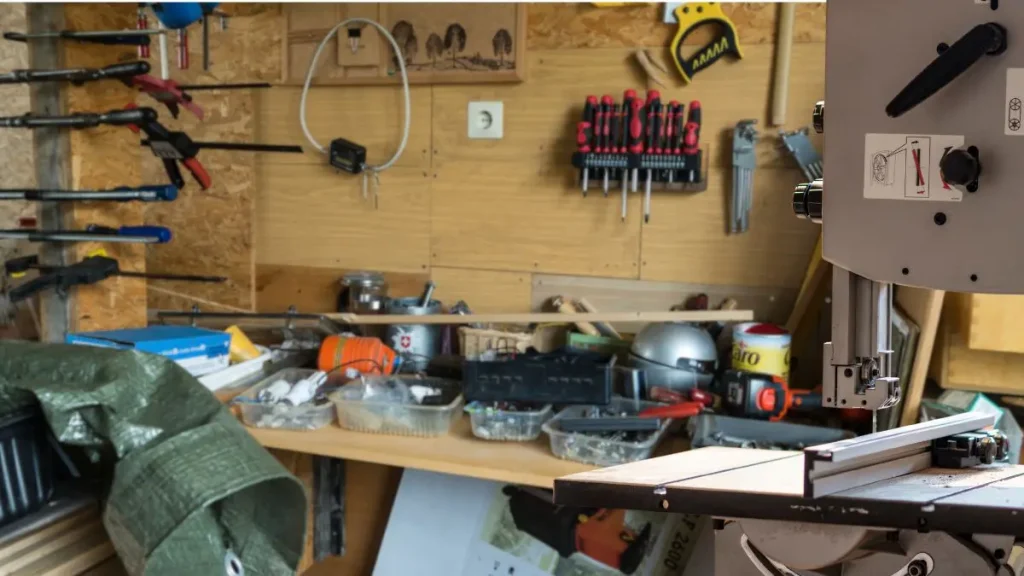
The fastest check is simply walking through your room with something in your hands. A plank, a vacuum hose, even a broom. If you have to twist your shoulders to move around or constantly shift objects out of the way, the space is already working against you. This tends to show up in small workshops more than anywhere else, especially when they double as storage.
When this becomes a real problem
A tight woodworking shop makes it hard to work safely and consistently. It also drains energy in quiet ways. You start moving tools around instead of using them. You stop in the middle of a project to shuffle items again. Over time that becomes frustrating enough that many beginners lose motivation long before their shop is actually functional.
If this feels familiar, it helps to remember that a workbench needs enough free space around it to actually be usable. The bench is the center of most shops and when the room presses in on it, every task becomes harder than it needs to be. A look at reasonable spacing around a bench can give you a clearer sense of what your room might be missing.
And if you are unsure about the footprint your shop needs in general, it helps to understand common size expectations.
What to read next if your space feels too small
Some people solve this by reducing clutter. Others move to a different part of the house. And in some cases, the space tells you that you’d better take another look at which woodworking shop space is suitable.
Sign 2: Moisture or temperature swings are already visible

How beginners usually miss this
Moisture rarely looks dramatic. It starts subtly. A cold draft. A musty smell. Tools that feel damp. A corner of the room that never quite dries. Beginners tend to ignore it because it does not look like a woodworking problem, but it quietly affects everything.
Simple checks you can do today
You can tape a small piece of clear plastic to the wall or floor for a day and see if moisture collects underneath. You can place a cheap thermometer and humidity gauge in the room for a week. You can also pay attention to temperature swings between day and night. None of this requires tools. It just helps you understand what the room is doing behind your back.
If humidity is a real issue in your room
If you notice condensation or large fluctuations, your space may need work before you bring in lumber. Wood moves with humidity, sometimes more than beginners expect. That is why issues like this often show up later in twisted panels or joints that suddenly do not fit. When you want a clearer sense of how moisture affects a shop, the topic becomes even more relevant.
Sign 3: The air feels stale or dusty even without tools running

Why ventilation matters long before woodworking starts
It is strange how quickly stale air wears you down. If the room feels heavy now, it will feel worse once you start cutting. Poor ventilation also traps humidity, carbon dioxide, and fine dust long after you stop working. Many beginners notice this only after a headache or a sense of stuffiness that returns every time they enter the room.
You can get a clearer sense of how indoor air behaves by looking at a simple EPA overview on understanding basic indoor air quality
Quick ways to test your airflow
Stand still and pay attention to how the air moves against your skin. Light a single match or incense stick and watch the smoke drift. Open a door and see if anything changes. These tiny tests tell you more than you expect.
If your space has no airflow at all
A room with stagnant air takes more preparation than most beginners want at the start. Proper ventilation is not complicated, but it does take intention. When you want to understand why airflow can affect the entire layout of a workshop, it helps to revisit basic ventilation concerns.
Tip: A simple box fan pointed toward an open window is enough to reveal whether your room can clear dust or simply trap it.
Sign 4: Your floor, walls or power situation are not ready yet
Uneven or slippery floors
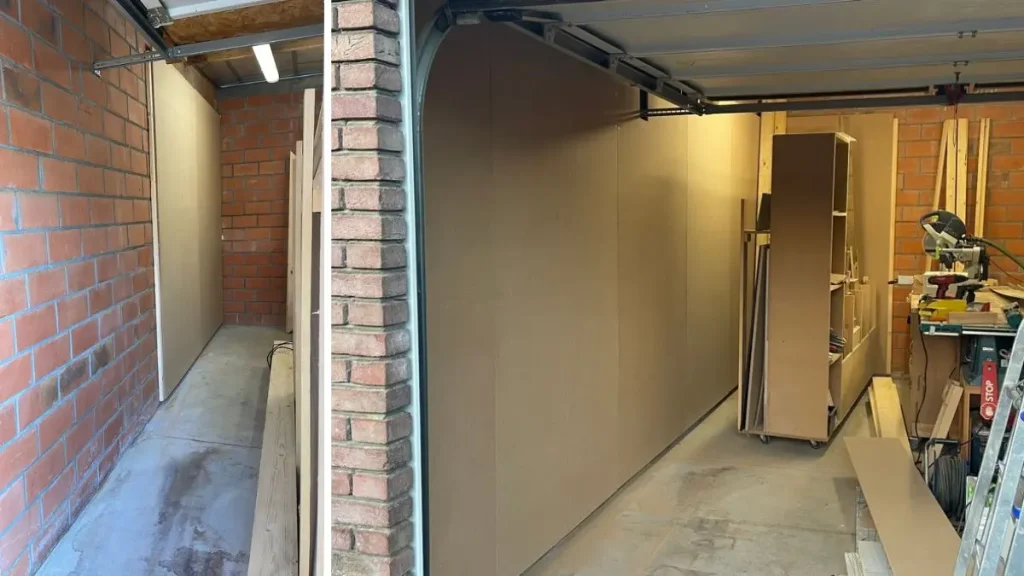
Floors that feel slightly uneven might not matter in daily life, but you notice it immediately when you start using machines. A tool that rocks by a few millimeters, or a bench that shifts when you lean on it, can throw measurements off before you realize what happened.
You can avoid most of that by taking a little time to make your workshop floor reasonably level, which keeps your tools steadier and your cuts more predictable.
Walls that cannot support shelves or panels
If your walls are soft, crumbly or layered with materials that resist screws, you will struggle to mount storage or French cleats later. Beginners often postpone this problem and end up with tools in piles instead of on the wall.
Power that is unsafe or overloaded
Outlets placed too high, too low, too few or on an already stressed circuit can interrupt your workflow. You do not need perfect electrical planning at the start, but you do need enough stability that you are not tripping breakers every few minutes.
When the structure of your space itself needs improvement, it can help to revisit the basics of preparing the workshop shell.
Sign 5: The space creates more frustration than focus

A cluttered or chaotic start is a red flag
Sometimes the space is large enough, dry enough, and ventilated enough, but it still feels like every project causes more hassle than pleasure. A messy room reminds you that it was never meant for making things.
When noise or shared use rooms get in the way
Shared rooms can be tricky, especially when noise or dust affects others in the house. I have seen friends try to work in spare bedrooms or laundry rooms, and although the enthusiasm is there, the space often fights back. It is not a failure. It is just a signal.
If your space simply feels wrong
Your own reaction is sometimes the clearest indicator. If you feel tense before you even start, your space might need changes. When frustration becomes predictable, it might help to think through common planning mistakes beginners make.
Tip: If your room feels overwhelming, choose one small area and clear only that part. Clarity in one corner often reveals what the rest of the space needs.
What to do if you notice the signs your workshop is not ready to start woodworking
Fix the easy wins first
Small adjustments often carry more impact than beginners expect. Better airflow, cleaner floors, improved lighting, anything that removes friction. Those details reveal what a room might look like once it works with you instead of against you.
When to choose a different room
Sometimes a space needs more than quick adjustments. In those cases it helps to return to the basics of claiming a workshop space.
You can also compare the qualities of your current space with what makes a room suitable in the first place.
A Few Last Thoughts
It is interesting how a room can feel full of potential one moment and slightly unsteady the next. Once you notice the small signals, the idea of simple signs your workshop is not ready to start woodworking becomes less of a warning and more of a quiet guide. Nothing final, nothing heavy. Just a reminder that the space you choose shapes how enjoyable the work can be.
Most beginners grow into their workshop slowly, almost without noticing it. A small fix here, a cleared corner there, and the room begins to feel more like a place where projects actually take form. That gentle shift says more about readiness than any checklist ever could.
When you see your space with that kind of attention, the next steps tend to show themselves without much effort.
This supporting post lives inside a much larger path on my site, one that helps beginners move from doubt to a functional first workspace.
1. Main Guide:
Set Up a Woodworking Shop Without Wasting Space
A broad, steady look at what makes a shop truly work, even in small homes.
2. Second Guide Level (comes right after the main guide’s introduction):
Woodworking Shop for Beginners: 3 Steps to Claim Your Space
A gentler breakdown that helps you understand how to shape the room you already have.
3. Cluster Post (the one that leads into this supporting article):
Choose the Perfect Woodworking Shop Space (5 Smart Ways)
A closer look at the qualities that make one spot far easier to work in than another.
Frequently Asked Questions
How do I know if my room is simply too small to become a workshop?
If you constantly bump into things or need to move items just to make one simple cut, the room is already telling you it might be too tight. Most beginners feel this the moment they try to work instead of just imagining it.
What is a realistic first check to see if a space is ready for woodworking?
Try a tiny mock project. One board, one cut. If the room feels cramped, dusty or frustrating, that is a quiet sign that it needs more work first.
Does poor airflow really make a difference for small woodworking setups?
Yes. Stale air makes dust linger and humidity build up, and that becomes tiring faster than most beginners expect.
Can moisture alone be a reason my workshop is not ready yet?
It can. Moisture changes how wood behaves and can rust tools, so it is worth paying attention before you bring in lumber.
What are simple signs your workshop is not ready to start woodworking if I am still unsure?
If you spend more time clearing space than building, or if the room feels like it fights you at every turn, that is usually enough to take a step back and reassess.







Leave a Reply