
My first “workshop” was nothing more than a corner of a spare room. I stacked my tools in a pile, dragged everything outside when I wanted to work and hoped the weather wouldn’t ruin the plan. With kids’ toys, bikes and household clutter around me, choosing a real woodworking shop space felt almost impossible.
But that messy setup taught me something. You don’t need the perfect room to begin. You just need a space that works for where you are now and gives you enough freedom to grow later.
Before you think about layouts or big tools, the real first step is choosing the right woodworking shop space. And that’s exactly where this guide begins.
This guide is the first step in the beginner path of setting up a real woodworking shop space. If you want the bigger picture of how to claim your space, prepare it and turn it into a functional workshop, you’ll find that full overview in Woodworking Shop for Beginners: claim your space.
Christophe,
Founder of Ash Stag Woodworking

– Updated on
Key Takeaways
– You’ll understand what actually makes a good woodworking shop space, even if yours is small or imperfect.
– You’ll learn how to compare common home spaces like a garage, basement or spare room and see which one fits your real life.
– You’ll see how much room you truly need for woodworking and why movement space matters more than square meters.
– You’ll spot the red flags that make a space unsafe or frustrating long before you start setting up.
– You’ll discover simple ways to claim your space with confidence so you can grow it step by step.
Disclosure: At zero cost to you, I may get commissions for purchases made through links in this post. I earn from qualifying purchases as an Amazon associate. Products featured are selected based on quality, performance, and reputation, regardless of affiliate relationships.
Table of Contents
What Makes a Good Woodworking Shop Space in a Real Home
The core ingredients of a workable woodworking shop space
A good woodworking shop space does not need to look perfect. What matters is that you can move without feeling boxed in and that the room allows you to work without constantly bumping into things. I learned that the hard way. Years ago I picked a space that was technically large enough, but the moment I tried to rotate a full sheet on my workbench, I ran out of room. It taught me that movement space is just as important as square footage.
When you look at your own workshop area, start with a few basics:
- enough floor room to walk around your main tools
- a surface you can stand on safely
- the option to add decent lighting later
- a spot where dust and noise do not create instant chaos in the rest of the house
A shop that feels comfortable usually starts with simple things. Enough room to turn around. A clear path to work. No tripping hazards.
Tip: If you are unsure whether your space is too tight, place a piece of tape on the floor the size of your future bench and try walking around it with a sheet of cardboard in your hands. It gives a surprisingly honest idea of how a small workshop space behaves.
If you want to go deeper into preparing the actual shell of your room, you can later read Preparing the Workshop Shell for more guidance on walls, floors and climate control.
Matching your space with your goals and tools
Most beginners start with only a handful of tools. That is a good thing. It means your woodworking workspace does not have to handle twenty heavy machines on day one. Instead, think about the type of builder you want to become. Do you want to make small furniture, simple DIY pieces or jigs and accessories. Your future direction shapes how your room should grow.
One mistake I made in the past was choosing a space that was simply too small. It worked for quick cuts and tiny projects, but the moment I wanted to work with plywood panels the room fought against me. If you have options in your home, pick the space that gives you at least some breathing room for the kind of work you want to explore.
A few guiding questions help:
- What size projects do you see yourself building in the next year
- Will you stay with compact tools or add larger ones over time
- Do you need room to store sheet goods or long boards
- Can the space support your workbench as the central piece
Tip: Plan for fifteen to twenty percent more space than you think you need. It feels generous in the beginning, but it saves you from relocating your entire shop six months later.
Common home spaces you can turn into a woodworking shop
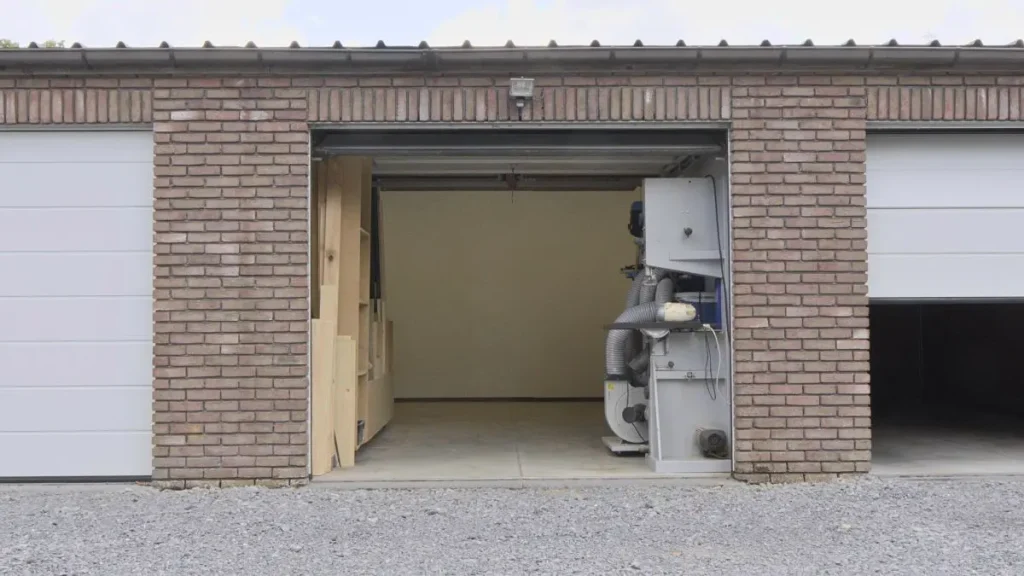
Most beginners think they need a perfect room before they can call it a woodworking shop space. The truth is that almost any area in your home can work if you understand what it offers and what it limits. Here is a closer look at the spaces people actually use, what makes them practical and where you should be careful.
Garage woodworking shop
A garage is the classic choice for a small workshop space. It is also where I work today. My garage is just over 3 by 6 meters (about 10 by 20 feet), but the layout lets me move a full sheet of plywood without hitting anything. The key is that every work surface is exactly the same height. That simple detail keeps the entire woodworking shop space open and predictable, which is something I did not understand in my early years.
A garage usually comes with a few quiet advantages:
- You can open the door for airflow.
- You get direct access from outside, which makes hauling in lumber easy.
- Noise bothers fewer people compared to working deep inside the house.
Tip: If you ever plan to rotate larger panels or build furniture, try to keep one clean path through the center of the garage.
Basement woodworking shop
Many beginners search for a basement woodworking shop because it feels separate from the rest of the home. Basements usually stay quiet, they do not share walls with bedrooms and they give you a little sense of escape. The real question is whether the basement is dry and stable.
Some advantages:
- Temperature stays more consistent than in a garage.
- You can work late without bothering the entire house.
- Storage options are usually better.
Some limitations:
- Moisture can be a real problem, especially with sheet goods.
- Low ceilings make movement harder.
- Dust can travel up the stairwell if the area is not well sealed.
Shed or outbuilding as a woodshop
A shed or small outbuilding can be a surprisingly effective woodworking workspace when you do not have room inside the house. These spaces feel separate and calm, which is often inspiring when you are building something from scratch.
Strong points:
- You control when and how you use the space.
- Dust stays far from living areas.
- Noise is less of a concern for your household.
Limitations:
- Electrical access is not always ideal.
- Security and weather protection are things you need to plan.
- Heating and cooling can be expensive or inconvenient.
If you’re wondering whether a shed works as a woodworking space, I share my own experience in the article about using a shed as a workshop.
Spare room, attic or multi use spaces
My very first attempt at setting up a workshop happened in a spare room. I stacked tools in a corner and carried everything outside when I wanted to work. It worked for a little while, but it came with limits.
A spare room can help you start with small projects or hand tool work. It is perfect for learning joinery or working on accessories when power tools are too loud. The attic looks tempting, but I always warn beginners about it. Carrying heavy tools up the stairs and dragging finished pieces down again becomes tiring very quickly.
If you’re working in a small home or apartment and you’re trying to figure out what is actually possible, you might want to read Is Woodworking in an Apartment Allowed and Truly Realistic?. It breaks down what works, what doesn’t and what beginners often overlook.
Outdoor or semi covered areas
A covered patio, carport or small corner outside can get you started when there is simply no room indoors. Many beginners do this in their first year because it lets dust and noise escape freely. Just be honest about the drawbacks.
What to expect:
- Weather is your boss.
- Tools rust faster without protection.
- Noise carries far, especially in the evening.
Tip: If you work outside, store your tools in sealed boxes or cabinets. Moisture creep is real.
My article on outdoor woodworking dust and noise basics will expand on this topic.
How much space do you really need
Realistic workshop size for beginners
A lot of beginners imagine they need a huge room before they can take woodworking seriously, but the truth is much simpler. The real question is whether your space lets you move safely and handle your materials without fighting the room every two minutes.
I learned this the hard way. I once tried working in a space that was simply too small. Everything felt fine when I was cutting small pieces, but the second I tried to break down a large sheet of plywood, I hit every wall and obstacle around me. That moment stays with you. It teaches you what not to do when choosing a woodworking shop space.
For beginners, a comfortable workshop size is usually less about square footage and more about freedom to move. You need a little room to shift boards around, clamp materials without bumping into things and stand in a stable position while making a cut. It does not need to be fancy. It just needs to work.
Tip: If you can rotate a medium sized panel without twisting awkwardly or stepping into danger zones, your workshop space requirements are probably fine for now.
If you want more clarity about how much space different kinds of shops require, this article connects naturally with my guide What Is a Good Size For a Woodworking Shop? A Clear Answer.
Example footprints and movement paths
To make this more real, here are a few simple example footprints. These are not rules, just starting points that help beginners understand what actually works in a home environment.
- 2×3 meters (about 6.5×10 feet) for hand tools, small jigs and light hobby projects
- 3×3 meters (about 10×10 feet) for a basic bench, a small table saw or miter saw and enough breathing room
- 3×5 meters (about 10×16.5 feet) for beginners who want more comfort and cleaner movement paths
- My own shop is about 3×6 meters (about 10 by 20 feet), and that size lets me rotate a full sheet of plywood in place because every work surface is set to the same height. That one decision changed my workflow completely.
If your space is smaller than the smallest footprint above, it can still work, but you will have to be honest about the type of projects you want to build.
Why too big is not always better
It sounds strange, but bigger is not always better for beginners. A large room can make you feel like you have endless freedom, then somehow fills up with clutter and half finished ideas faster than you expect.
My own workshop grew quicker than I imagined. Once you start adding tools, jigs and storage, the feeling of openness disappears fast. Planning for who you want to become as a woodworker matters more than chasing a massive space.
A woodworking workspace should feel stable, controlled and easy to clean. If the room overwhelms you, or you cannot find your tools, then the size is not helping you build better. It is only giving you more space to make a mess.
Read more in my article: 5 Small workshop planning mistakes you should really avoid.
Practical checks before you commit to a space
Safety and comfort checks
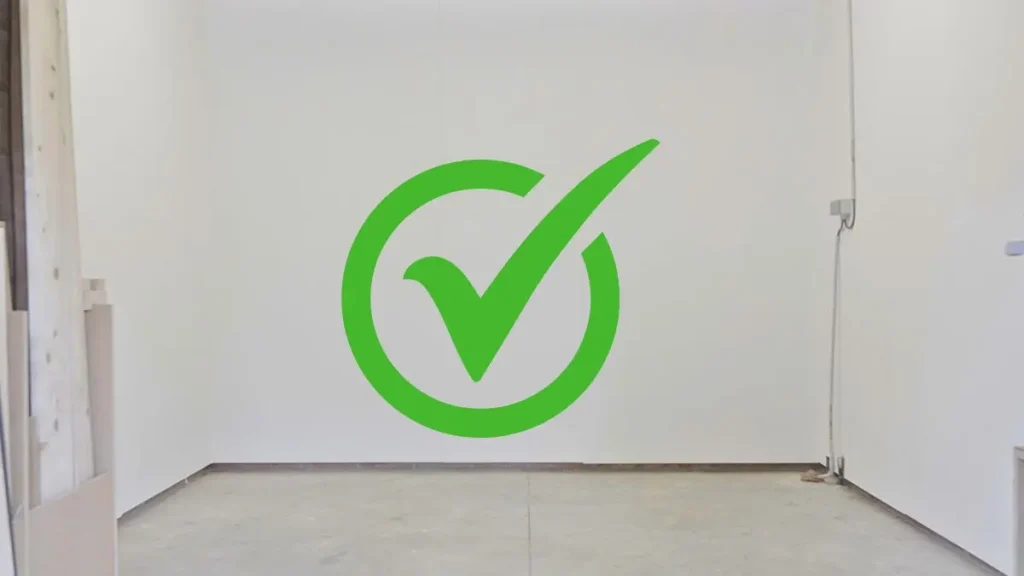
Before you commit to any room, take a slow walk through it and look at the basics.
- Is the floor stable or does it flex under your weight
- Is the ceiling high enough for comfort
- Are there strange corners, steps or tight dead zones
- Can you stand in a natural position while using a tool
If any of these feel off, it is worth thinking twice. Safety and comfort matter more than the size of the room.
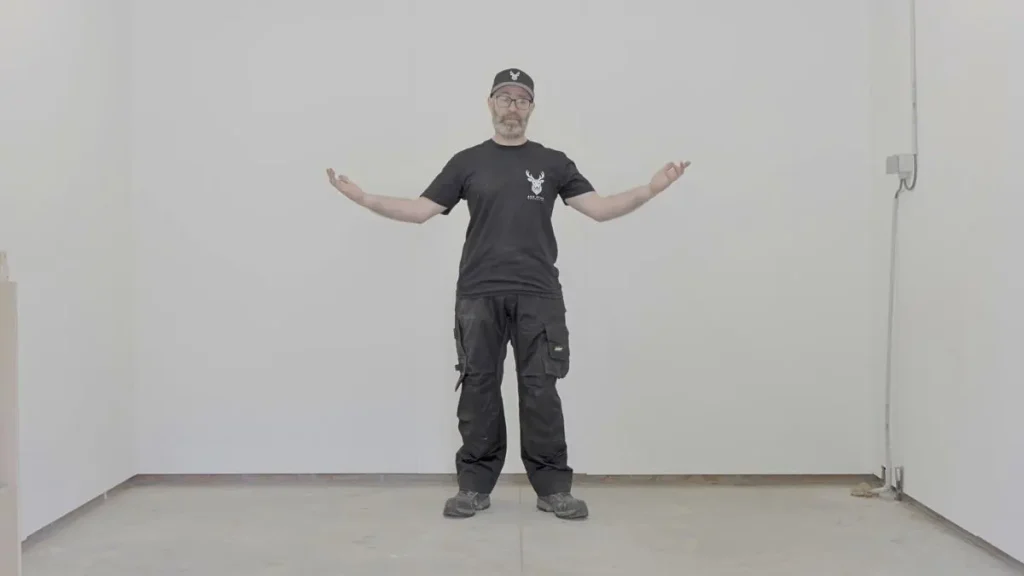
Tip: Stand in the center and stretch your arms lightly. If you already feel boxed in, the space will feel even tighter once tools and materials fill it.
Noise, neighbors and family tolerance
Noise is one of those things beginners underestimate. A table saw or sander can travel through walls and floors in ways you do not expect. If you live in a neighborhood with close houses or you have young kids at home, it is worth thinking about when and where you will work.
I have children myself. Even in my garage, I had to be mindful of when I made the loudest cuts. Thinking ahead prevents frustration on both sides and helps you keep your woodworking routine relaxed instead of stressful.
A woodworking shop space should work with your life, not fight against it.
Moisture, leaks and temperature swings
Moisture can ruin both wood and tools, so take a close look at the condition of your room. Basements can be perfect for a basement woodworking shop if they are dry, but even a small leak or cold corner can become a long term problem.
Garages can swing from freezing to humid in a single day, depending on the season. That affects your materials more than you think. A quick check for moisture spots, musty smells or condensation can save you a lot of headaches.
Access, storage and cleanup
One of my earliest setups required me to drag every piece of lumber through the house, past corners and hallways. It felt like a workout before I even touched a tool. Cleanup was even worse.
In my current garage setup, access is simple. I can bring in sheet goods without twisting through doorways, and cleaning up takes minutes instead of half an hour. Storage flows naturally because I can move materials straight from the car to the wall or bench.
Think about your own access path. It matters more than many people realize.
Red flags that mean a space is not a good idea
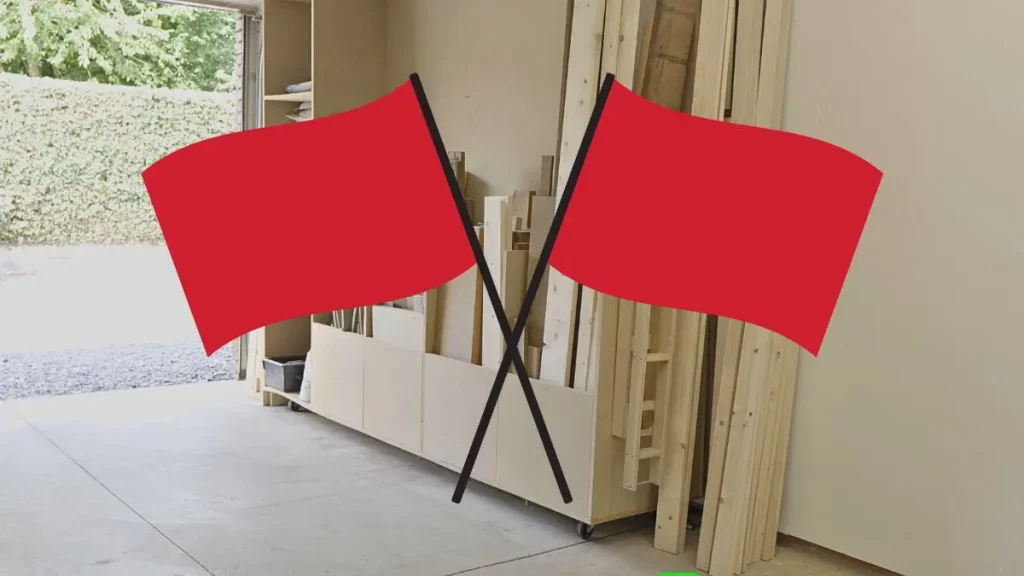
Some spaces look fine at first glance, but the moment you bring in real tools and real lumber, the problems show up fast. To be honest, a few of these lessons I learned the hard way, so if I can help you avoid the same mistakes, all the better.
Damp or moldy spaces
Moisture is one of the quickest ways to ruin tools, damage wood and make every project feel like a struggle. I would personally never start a woodworking shop in a damp basement or a room with mold spots. Even if you think you can “deal with it later,” the truth is that moisture spreads, blades rust and humidity swings make your stock move and warp.
Tip: If the floor feels cold or you smell mildew the moment you open the door, you are better off choosing a different area. A dry and stable woodworking shop space will save you more money and frustration than any machine upgrade.
Spaces too close to living areas
I once tried working from a spare room on the first floor and I regretted it almost immediately. The idea sounded innocent enough until I had to carry tools up the stairs, haul finished pieces down again and vacuum a trail of dust through the entire house. Every cut or sanding session becomes a battle with noise, mess and family schedules.
If your potential shop is right next to bedrooms or heavily used living areas, you will run into noise conflicts and cleanup fatigue. It does not take long before woodworking feels like an inconvenience instead of something fun.
“Any space that makes you dread setup or cleanup is not the right space for your shop.”
Places where you cannot safely use tools
Safety problems are often subtle at first. You plug in a tool and the lights dim. You try to sand and the room fills with dust because there is nowhere for it to go. Or you realize your neighbors hear every tool you own.
A few signs that a space is simply not suitable:
- No reliable electrical outlets
- Poor airflow or no window for basic ventilation
- Tight noise restrictions that stop you from using tools at normal hours
- No space to store wood without blocking your path
These issues might sound small today, but trust me, they will crush your workflow later.
Tip: If you need to open multiple doors, move furniture or stretch extension cords across living areas just to work safely, the space is working against you, not with you.
You can go deeper into this topic in my article Signs Your Space Is Not Ready for Woodworking Yet.
How to define and claim your woodworking shop space
Make the decision and mark your boundaries
Choosing a woodworking shop space becomes a lot easier once you commit to one spot. It does not have to be perfect and it does not have to be fully equipped. The first step is simply defining where your shop begins.
A few low effort ways to mark your space:
- put painter tape on the floor to outline your future shop area
- place your first shelf or cabinet to signal where tools will live
- You can set a fixed place for your workbench, even if it is temporary, and think about the space around the workbench as part of that first layout decision
- keep one corner clear so you do not drift back into clutter
Tip: Small physical boundaries help your brain see the room as a real workshop, not another storage corner.
Start small and let the space grow
My current garage is a small workshop space that measures a little over three by six meters. Even with that limited footprint, it works better than any space I had before because it grew slowly and intentionally. One of the best choices I made was setting every work surface at the same height. It keeps the room clean, predictable and makes it easy to rotate plywood sheets without hitting anything.
You do not need the full shop layout on day one. Start with what fits the room today and let the space evolve as your skills and tools grow.
Tip: Most beginners try to plan the final shop before they build the first project. It almost never works. Let the room teach you what comes next.
Your next steps in the beginner workshop journey
Once you have defined your woodworking shop space, the next phase becomes much more manageable. You can follow the beginner path in small, steady steps:
- learn the basics of claiming and shaping your space in Woodworking Shop for Beginners
- prepare the room by improving floors, walls and climate in Preparing the Workshop Shell (your next step in this guide)
- measure and map the room so you understand your movement paths in Measuring and Mapping Your Space (Under Construction)
- read practical planning advice in Planning a Woodworking Shop: 7 Pro Tips for Success
Each step builds on the one before it, and together they turn your chosen room into a workshop you can grow into with confidence.
Frequently Asked Questions
How do I know if a room is big enough for a woodworking shop?
If you can move a board freely, rotate a small project on your workbench and walk without bumping into things, the room is workable. Most beginners do more with a small workshop space than they expect, as long as the center area stays open.
Can a basement woodworking shop work for beginners?
Yes, a basement woodworking shop can work well if the space is dry and has basic ventilation. If you see moisture spots or smell mold, fix that first or choose another area. Wood and tools need a stable environment.
Is a garage better than a spare room for woodworking?
Usually yes. A garage often gives easier access, more airflow and safer noise levels. A spare room can work for hand tools or small builds, but dust and noise travel quickly through the house.
What is the minimum workshop size for a beginner?
There is no fixed rule, but many beginners start in areas around 2×3 or 3×3 meters. The key is a clear center zone and surfaces that are the same height so you can support your work easily.
Can I set up a woodworking shop in a shared or multi use space?
You can, but it works best when you keep your tools organized and define clear zones. A simple tape line on the floor or a dedicated tool rack helps maintain order when the space serves multiple purposes.
What should I absolutely avoid when choosing a woodworking shop space?
Avoid damp or moldy rooms, spaces too close to bedrooms or living areas and spots without safe electricity or ventilation. These issues slow your progress and can damage both your tools and your health.






Leave a Reply