
There comes a moment when the floor under your feet feels harder than you remember. Hours of sanding, fitting or assembly slowly remind your joints that concrete does not give an inch. That line of thought usually leads to the same quiet question many beginners type into Google: how do anti fatigue mats work. The most honest answer is simple. They add a softer layer between you and the ground so pressure spreads more calmly and your stance finds small adjustments on its own instead of staying frozen.
It often clicks even better once you know what is an anti fatigue mat. Understanding the basic idea makes it easier to see why that softer layer changes the feel of long standing.
I noticed it most in my small 3 by 6 meter shop during slow sanding. My ankles, hips and lower back used to feel tight after a while. A bit of cushioning didn’t turn the work lighter, but it changed how weight settled and how long I could stay at the bench without discomfort nagging at me. If you’re quietly curious about what’s really happening under your feet, we can walk through it step by step.
Why You Can Trust This Advice
- I work in a small garage shop with a bare concrete floor, so long sessions at the bench taught me what a cushioned layer changes and what it does not.
- I used a cheaper mat first and later upgraded, and the difference in firmness, support and cleanability was clear within a week.
- Most of my standing hours happen during sanding, gluing and assembly, so I pay attention to steadiness, pressure spread and how a mat feels after dust lands on it.

– Updated on
Key Takeaways
– You’ll understand how do anti fatigue mats work in simple shop language instead of technical terms.
– You’ll see how a cushioned layer under your feet spreads pressure differently than bare concrete and plywood.
– You’ll notice that small freedom of movement that helps your legs stay relaxed during long tasks.
– You’ll understand what anti fatigue mats do when joints get tense after standing too long.
– You’ll see why firmness usually matters more than thickness in a small workspace.
Disclosure: At zero cost to you, I may get commissions for purchases made through links in this post. I earn from qualifying purchases as an Amazon associate. Products featured are selected based on quality, performance, and reputation, regardless of affiliate relationships.
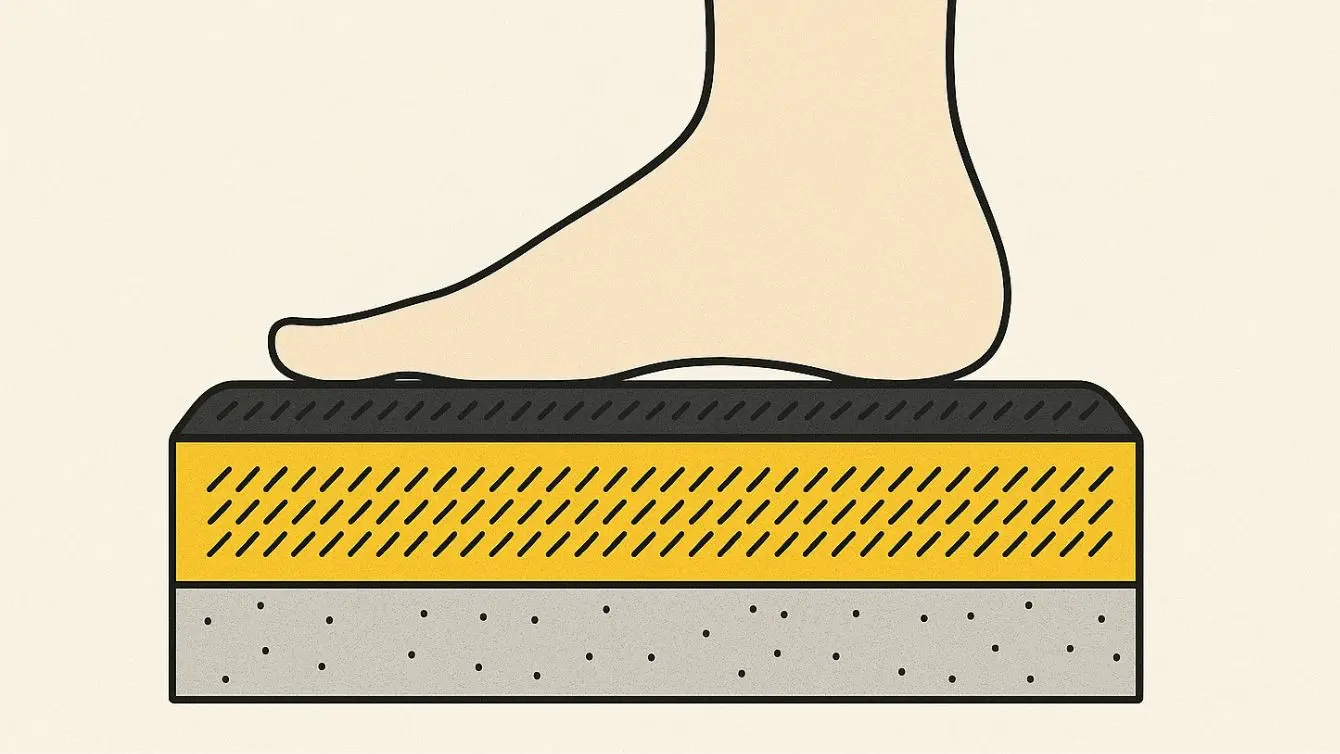
Table of Contents
How Do Anti Fatigue Mats Work When You Stand Still For A While
How do anti fatigue mats work starts with something simple. Concrete sends force straight back up through your stance. Every lift, lean or shift lands with the same sharp honesty into your joints. Over time, you feel that in your knees, ankles and lower back. A cushioned mat interrupts that cycle by absorbing part of the force and spreading it through a softer layer. Instead of one spot taking the full impact, the surface allows weight to settle more evenly.
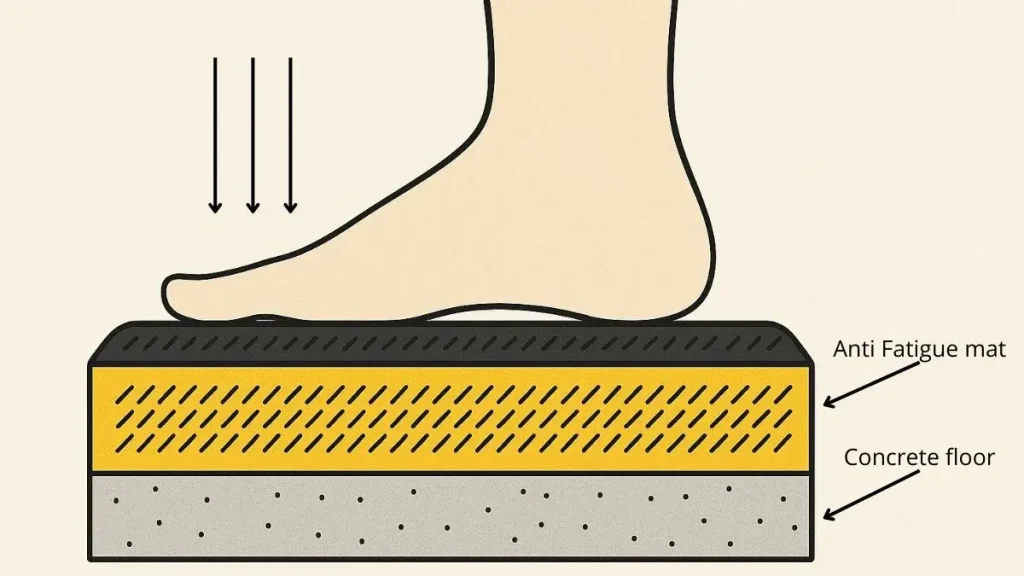
When bare concrete shapes your stance, even small imperfections in the slab can concentrate weight into one area. That is why it sometimes helps to check if your workshop floor is level when placing a mat. The more even the base is, the more consistent the cushioned layer feels underfoot.
And if the cold comes through the slab in winter, the same thinking applies around insulation. The comfort that mats bring sits close to choices you make when you fix a cold workshop floor so the hardness and the temperature aren’t working against you at the same time.
What Do Anti Fatigue Mats Do When You Stand For Long Periods
What do anti fatigue mats do is a beginner question that shows up often. In a small workshop, long standing is tied to quiet tasks. Sanding, test fitting, stepping back to judge an alignment. All of it happens while your body holds you steady. That weight builds slowly. A mat spreads it in a calmer way and lets your stance adjust instead of locking.
This is also why concrete floors feel so direct. They have no give. Every gram of weight presses down the same way. The mat simply puts a modest buffer in the middle.
How Does An Anti Fatigue Mat Reduce Fatigue And Pressure
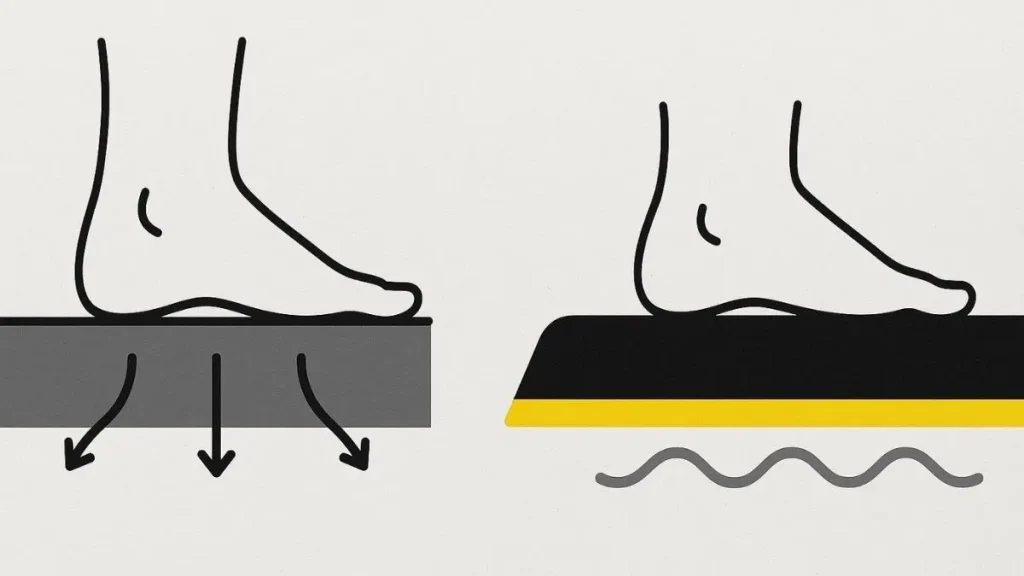
This touches the LSI why does standing on an anti fatigue mat feel easier. Bare concrete pushes straight back into your body. Hard plywood isn’t much gentler. A mat, even a modest one, spreads that force and gives your stance some flexibility. Long sanding sessions usually reveal the difference first. Knees and ankles start to tense. A mat interrupts that cycle. It won’t turn long hours short, but it makes them less demanding.
I began noticing this while sanding. Hours at the bench used to tighten my lower back first. Later, with a better mat, that tightness arrived slower. My stance wasn’t forced into one shape. The floor under me had a bit of softness, and that was enough to lighten the edges of strain.
Some people feel that difference near their saw station. Others at the bench. It depends on where the most hours are spent.
Why Does Standing On An Anti Fatigue Mat Feel Easier Than Bare Concrete
Bare concrete pushes straight back into your body. Hard plywood isn’t much gentler. A mat, even a modest one, spreads that force and gives your stance some flexibility. Long sanding sessions usually reveal the difference first. Knees and ankles start to tense. A mat interrupts that cycle. It won’t turn long hours short, but it makes them less demanding.
And if your floor still feels harsh, it might sit close to the same questions that come up when you wonder if a concrete workshop floor is good. Comfort is rarely one factor. It is usually several small ones stacked together.
How Does An Anti Fatigue Mat Support Your Feet Over Time
How does an anti fatigue mat support your feet is really asking about distribution. When the surface has no give, your body compensates by tightening small areas. A cushioned layer lets weight settle more gradually and gives your stance room to adjust during slow, focused work.
- It is subtle.
- Feet feel steadier.
- Knees unlock a bit.
- Ankles stay relaxed.
Those quiet changes make long concentration feel lighter. And if you’re still shaping the surface under your feet, it fits naturally beside the pages that help you choose workshop flooring. Base layers and comfort layers usually lead in the same direction.
Basic Material Differences And How They Shape The Feel
Even when the main question is how do anti fatigue mats work, it helps to look briefly at the materials because they shape pressure in different ways.
Foam mats are usually the softest and yield instantly.
Rubber stays firmer, handles grit better and wipes clean more easily.
Gel based cores sit somewhere in between with a balanced feel.
Here is a small table to compare them:
| Material | Feel Underfoot | Durability | Cleanup Ease |
|---|---|---|---|
| Foam | Soft with more give | Lower | Medium |
| Rubber | Firm but supportive | Higher | High |
| Gel Core | Even, cushioned pressure | Medium to High | Medium |
Quick Checklist For Beginners Who Want To Add A Mat
A small list helps when you think about comfort in a compact workshop:
- how long you stand in the same spot
- soreness in knees, ankles or lower back
- bare concrete versus plywood under your feet
- dust, grit and glue cleanability
- firmness instead of mushy softness
Tip: If your shop is small, start with one mat at the bench. Live with it for a week or two, then decide if you want a second one. Spreading thin mats everywhere usually feels less helpful than one firm mat where you work longest.
And if you ever want to think more deeply about the real advantage behind these choices, it sits near the same reflection where you ask if anti fatigue mats are worth it once you understand how they work under your stance.
Many people only look at best anti fatigue mat for workshops after they understand how that small bit of cushioning really works under their feet.
A Few Last Thoughts
The more I pay attention to long hours at the bench, the more convinced I become that comfort grows from small layers that support us quietly. That is all how do anti fatigue mats work comes down to. A little softness, calmer pressure and enough freedom for your stance to adjust while the rest of you stays patient. Simple additions that make slow work feel lighter.
This sub-supporting post is part of a smaller path in my site structure, right below the main supporting article that led you here.
Cluster Post:
Learn How to Prepare a Woodworking Shop in 3 Easy Steps
This broader guide holds everything that prepares a workshop space, including comfort layers under your feet.
Supporting Article (the one that leads into this one):
A Clear and Simple Workshop Flooring Overview of All Types
This supporting post places flooring choices in context so the comfort of mats fits more naturally into your shop.
Frequently Asked Questions
What do anti fatigue mats do in a small workshop?
They soften the load that builds when you stand still on concrete or plywood. By adding a small cushioned layer, pressure spreads more gently and long sessions at the bench feel less stiff.
How does an anti fatigue mat reduce fatigue in your legs and lower back?
It lets your stance shift subtly instead of locking you in place. That little movement spreads impact and slows down the tightness that usually arrives first in your knees and lower back.
How does an anti fatigue mat support your feet during sanding or assembly?
By giving your heels and ankles space to settle instead of pressing directly into a hard floor. I’ve noticed the difference most during slow sanding when concentration stays steady instead of being interrupted by discomfort.
Why does standing on an anti fatigue mat feel easier than bare concrete?
Concrete sends force straight back into your body. A cushioned mat spreads that force and adds a bit of give, which keeps your stance steadier and your joints more relaxed through longer tasks.








Leave a Reply