
It took me a while to realize how much a shop floor can shape the way you work. The first winter on my cold concrete floor made that pretty clear, and long hours of standing still made my joints complain in a way I did not expect. Choosing the best workshop flooring for your situation is mostly about how to choose workshop flooring in a way that matches the problem you actually feel.
I still remember testing a simple floor mat and nearly tripping over it while moving a tool. It seemed harmless until it wasn’t. That little moment reminded me how small choices can make a shop safer or riskier without you noticing.
If you want a floor that fits your space and keeps you building comfortably, it helps to slow down for a second and look at what your body and your room are telling you. There is usually a simple path forward, and that is where we are headed next.
Why You Can Trust This Advice
- I have tested simple solutions like floor mats and learned the hard way how quickly something that shifts or curls can become unsafe while using sharp, fast tools.
- I pay close attention to how a floor affects comfort and stability, because I can feel it in my joints when something is off after a long building day.

– Updated on
Key Takeaways
– You’ll understand how small floor issues point toward simple fixes.
– You’ll notice how comfort and stability shape long building days in a small shop.
– You’ll see how one clear problem often leads you to the right flooring choice.
– You’ll learn why soft and firm surfaces solve different kinds of workshop trouble.
– You’ll understand how to test flooring ideas without committing to a full upgrade.
Disclosure: At zero cost to you, I may get commissions for purchases made through links in this post. I earn from qualifying purchases as an Amazon associate. Products featured are selected based on quality, performance, and reputation, regardless of affiliate relationships.
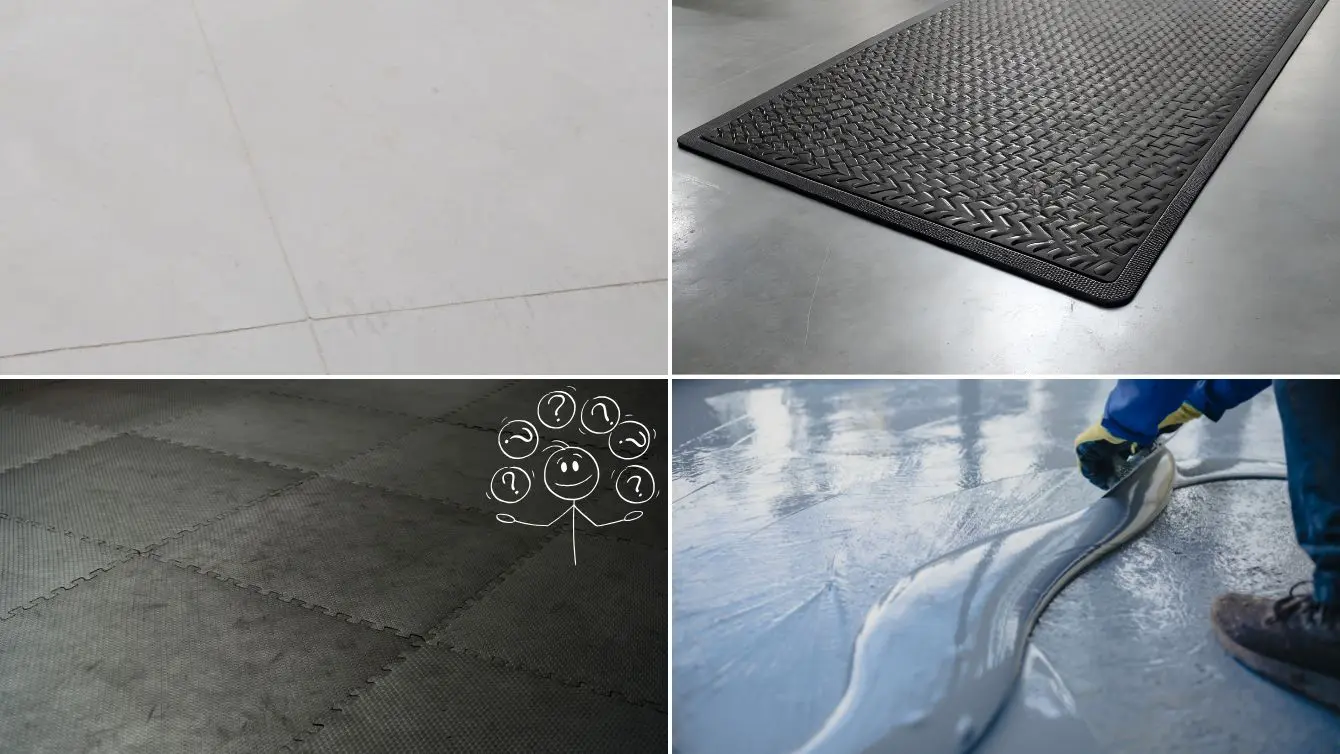
Table of Contents
How to Choose Workshop Flooring the Simple Way
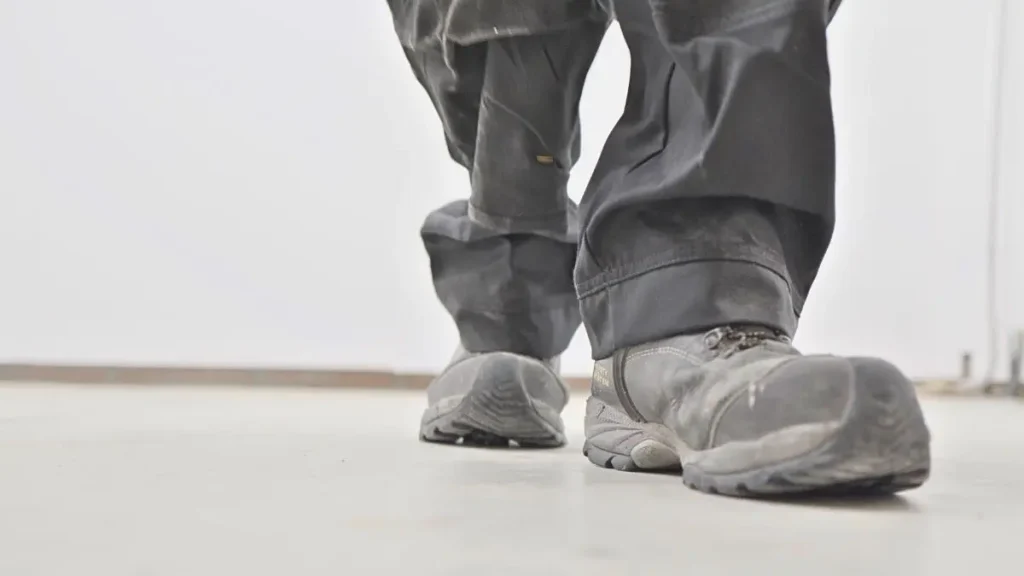
Choosing the best workshop flooring for your situation becomes clearer when you look at what your floor is actually doing to your body and your tools. Most small shops deal with the same handful of issues. Cold concrete. Uneven spots that make a workbench wobble. Fatigue from standing still for hours. Once you see the pattern, knowing how to choose workshop flooring turns into a simple matching exercise.
Step 1: Identify Your Biggest Floor Problem First
Most people try to pick a fix before they figure out what they are actually fighting. I have done that too. The floor feels uncomfortable or unsafe, so you start searching for every possible upgrade. But it helps to slow down and name the real issue first. Once you do that, everything else falls into place.
Here are the most common signs something is off:
- Your legs or back get tired faster than your hands do
- Your workbench rocks when you push on it
- A cold draft rises straight from the concrete
- Moisture lingers on the surface
- Tools vibrate more than they need to
Most beginners juggle one or two of these at the same time. That is why workshop flooring ideas often feel overwhelming. The trick is to pick the one problem that bothers you the most.
A small table can bring clarity:
| Issue | What It Usually Means | Likely Fix |
|---|---|---|
| Cold floor | Heat loss through bare concrete | Mats or insulation layer |
| Uneven floor | Settlement or poor slab finish | Leveling compound or plywood layer |
| Moisture | High humidity or seepage | Sealers or raised floor |
| Fatigue | Hard surface with long standing | Anti fatigue mats |
If cold or fatigue are your main concerns, soft solutions help the most. If wobble or instability show up, a firmer approach is better.
Step 2: Match the Issue to the Right Type of Flooring
Once you understand the real problem, you can look at workshop flooring options without guessing. This is where the small shop angle matters. A three by six meter garage behaves very differently from a basement or a large shed. Space is tight, tools sit close together, and every square foot ends up doing something.
If your floor is noticeably uneven, it’s worth taking a moment to sort that out first. Most flooring types only work the way they should when the base is properly level, and the guide on leveling a workshop floor walks through the common fixes in a simple, practical way.
Concrete
Bare concrete works fine for woodworking when it is sealed, even, and not too cold. It is stable and predictable. Where it struggles is comfort. If you spend long days at the bench, concrete reminds you of it. If you want to look deeper into this option, the guide on a concrete workshop floor goes into more detail.
Floor Mats
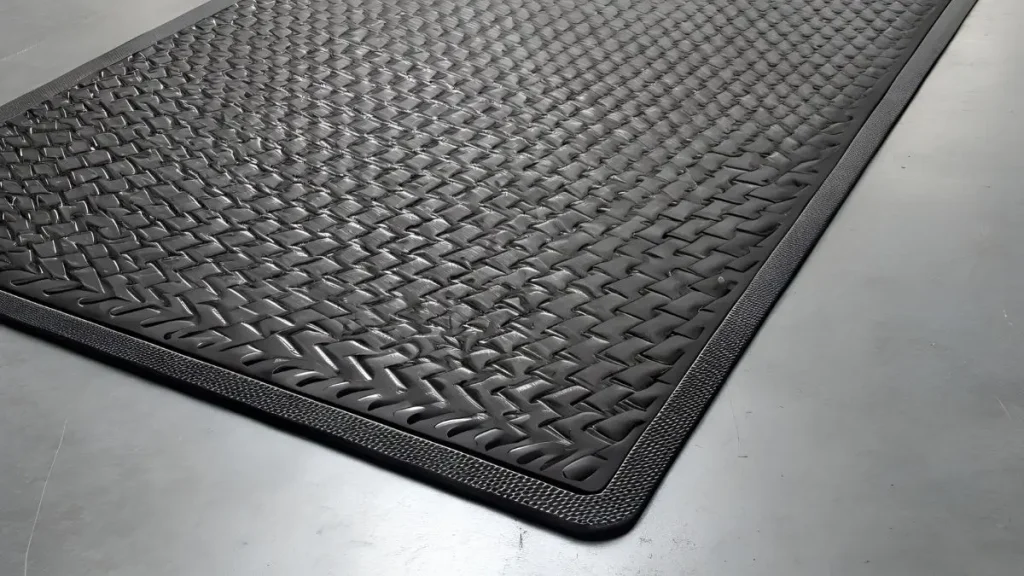
Mats are the simplest way to reduce fatigue. I still think they help, even though some styles can slide a bit or start to curl. I actually nearly tripped over one once. They work best in the spots where you stand the most, not across the whole shop. If you want a quick sense of what anti fatigue mats are, it’s worth starting there, because they behave very differently from the plain rubber mats you see in many workshops. From there, looking at the best anti fatigue mats can help you choose something that fits your workflow, while the overview of the best workshop floor mats shows the sturdier rubber options that hold up well under heavier use.
Plywood Layer
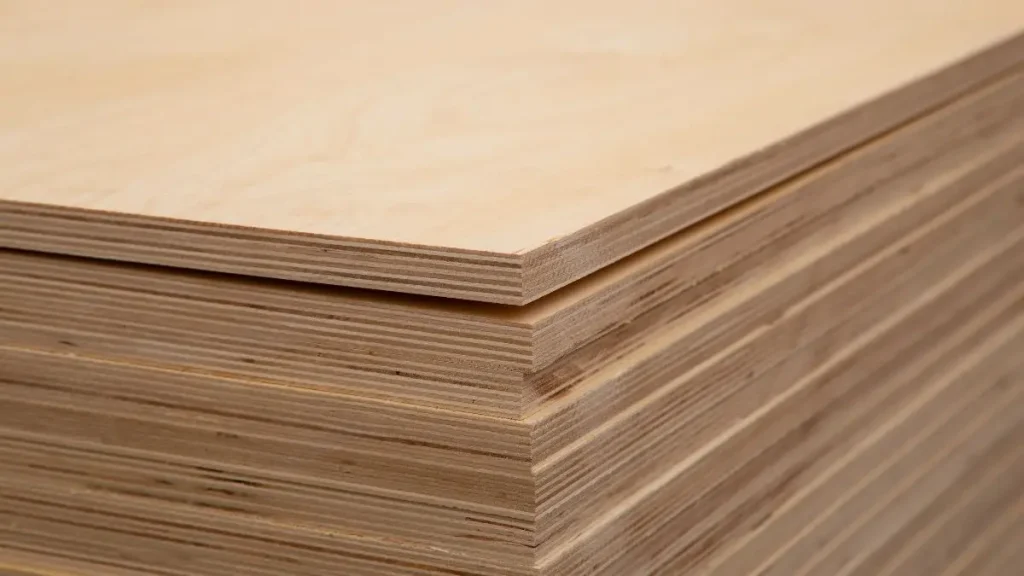
A plywood layer smooths out dips and warms up the room. Movement of tools becomes easier, and the floor feels calmer. It is one of the easiest ways to move toward the best flooring for a small workshop without renovating the whole space. The deeper look at plywood floors covers the pros and limits.
Coatings or Tiles
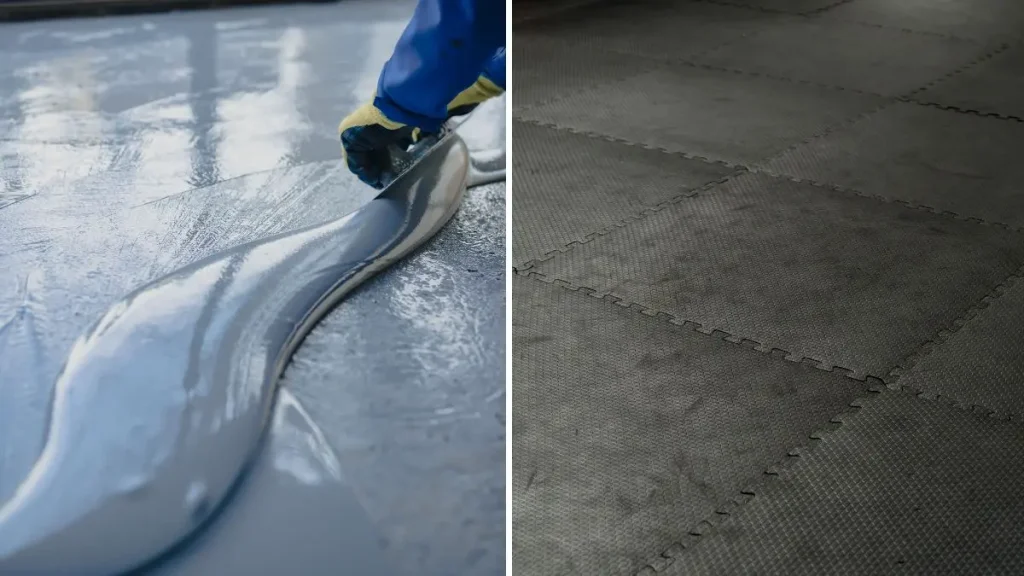
Coatings help when concrete is dusty or porous. Interlocking tiles can be a good option too, especially if you want something warmer and a little softer under your feet. They solve a lot of comfort issues quickly, and it’s worth having a basic sense of what interlocking tiles are (article is under construction) before picking a style. Once you know that, taking a quick look at the best interlocking tiles makes it easier to choose something that holds up well in a small shop.
What Works Best in a Small Workshop
Small workshops behave differently, especially narrow garages or basements. Movement is limited, tools sit close together, and the floor influences every step you take. That is why the best flooring for a small workshop often focuses on comfort zones instead of full-room solutions.
When You Want Comfort on a Tight Budget
Soft surfaces offer the biggest return. Anti fatigue mats under the bench and the saw warm up the room and soften long standing time. These mats also help when the concrete is slightly uneven, because they spread weight gently.
When You Need Better Stability for Heavy Tools
If your table saw or workbench rocks, comfort matters less than stability. A thin plywood layer or a leveling patch can make a bigger difference than any soft surface.
When Your Floor Is Uneven or Old
Older garages often have surprising dips. A bench may tilt forward or a rolling stand may drift on its own. Raised floors or subfloor kits create a stable base when the slab is too irregular.
Flooring Choices for Common Beginner Situations
Beginners run into the same patterns, even in different homes. That is part of why workshop flooring ideas keep repeating the same solutions in new combinations.
Cold Garage or Basement
Cold floors are the most common complaint. Concrete draws heat out of your body faster than you expect. A thin insulating layer or a sheet of plywood under your main zone helps a lot. If temperature or moisture plays a role, the guide on how to fix a cold workshop floor explains several easy fixes. You can also look at insulation tips in the post on insulating a workshop floor.
If humidity is involved, the guide on humidity and temperature (link: Beginner Guide to Humidity and Temperature in a Woodshop) gives useful context.
Moisture or Humidity
Moisture sneaks in quietly, especially in garages or basements. Sealers help with surface moisture, and raised panels improve airflow. Some mats can trap moisture, so it helps to check the floor after a few days of use.
Renting Your Workspace
Renting limits what you can attach or glue. Removable tiles or floating plywood panels work best. They sit tight and lift easily. They also hide small floor problems without requiring permanent changes. These are practical garage workshop flooring options when you want flexibility.
A Quick Real Shop Example
I once thought a soft floor mat would solve everything. It felt nicer for a while. Then I moved a tool stand and caught the edge of the mat. It slid just enough to lose my balance. It was small, but it changed how I look at my floor. Sometimes the easiest option works until it quietly stops working, and that moment shows you what your shop really needs.
Tip: Before making a big decision, test one square meter. One mat. One sheet of plywood. One small patch of coating. Your body will tell you quickly if it makes sense long before you commit to anything larger.
If you want a calm, practical reminder of how slips happen in real workshops, the guidance from HSE can be helpful.
A Few Last Thoughts
Choosing the best workshop flooring for your situation often feels bigger than it truly is. Once you slow down and look at what the floor is already doing, the path forward becomes gentler. I like that it turns into a mix of simple fixes and steady observations instead of one big decision. It also becomes easier to see which workshop flooring options fit the way you actually work.
This sub-supporting post is part of a smaller path in my site structure, right below the main supporting article that led you here.
Cluster Post:
Learn How to Prepare a Woodworking Shop in 3 Easy Steps
This cluster lays out the broader frame for setting up a beginner friendly shop and helps you understand how choices like flooring, walls and environment fit together in a steady way.
Supporting Article (the one that leads into this supporting article):
A Clear and Simple Workshop Flooring Overview of All Types
This supporting guide brings you closer to the flooring problem by showing the main types and what they are best suited for, which makes this focused topic easier to navigate.
Frequently Asked Questions
Does my workshop floor really need to be level before choosing a flooring option?
A floor does not have to be perfect, but it should feel steady under your tools. Small dips or slopes can make a bench or saw behave differently, which is why many people look at basic workshop flooring options before committing to anything bigger. If something shifts when you lean on it, a simple leveling fix can make the whole room feel calmer.
What is the simplest way to warm up a cold concrete floor without rebuilding anything?
Most small shop owners start with a soft layer in the area where they stand the most. A single mat or a sheet of plywood warms things up quickly and makes long days feel gentler. I have tried both in winter, and the difference shows up fast. It is an easy way to move toward the best flooring for a small workshop without changing the entire floor.
Is plywood strong enough to act as a workshop floor on its own?
Plywood works well when the concrete below it is reasonably flat. It spreads weight evenly and removes the harsh feeling of bare concrete. It is not meant to replace a full structural floor, but it creates a steady surface for most beginner shops and fits well inside many garage workshop flooring options.
How to choose workshop flooring if my workshop is small and tools sit close together?
In tight spaces, stability matters more than covering the whole room. Many people use soft surfaces in comfort zones and a firmer base under heavier tools. It keeps movement smooth and reduces fatigue during long builds. This simple mix helps you make sense of how to choose workshop flooring when your tools sit close together.







Leave a Reply