
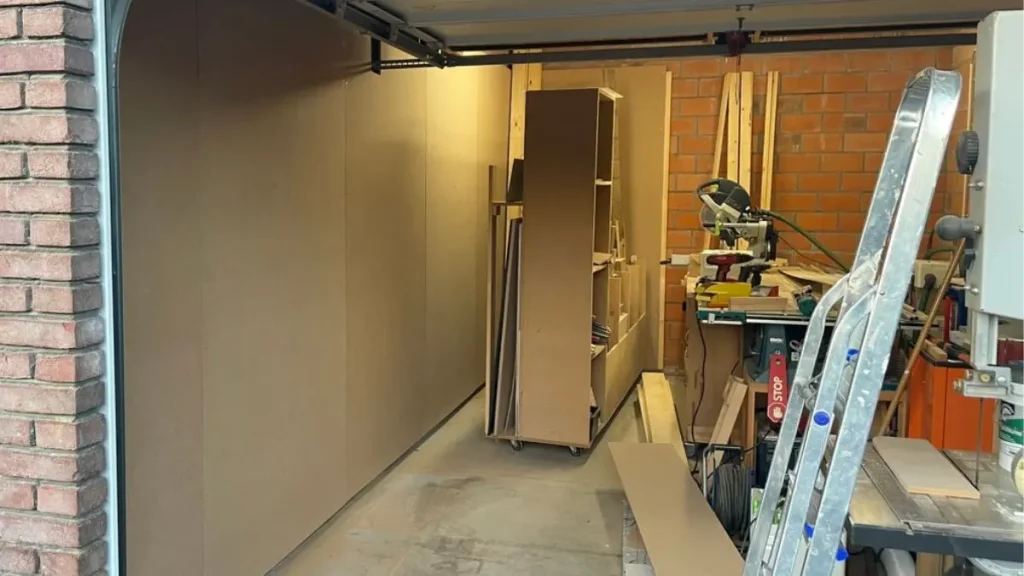
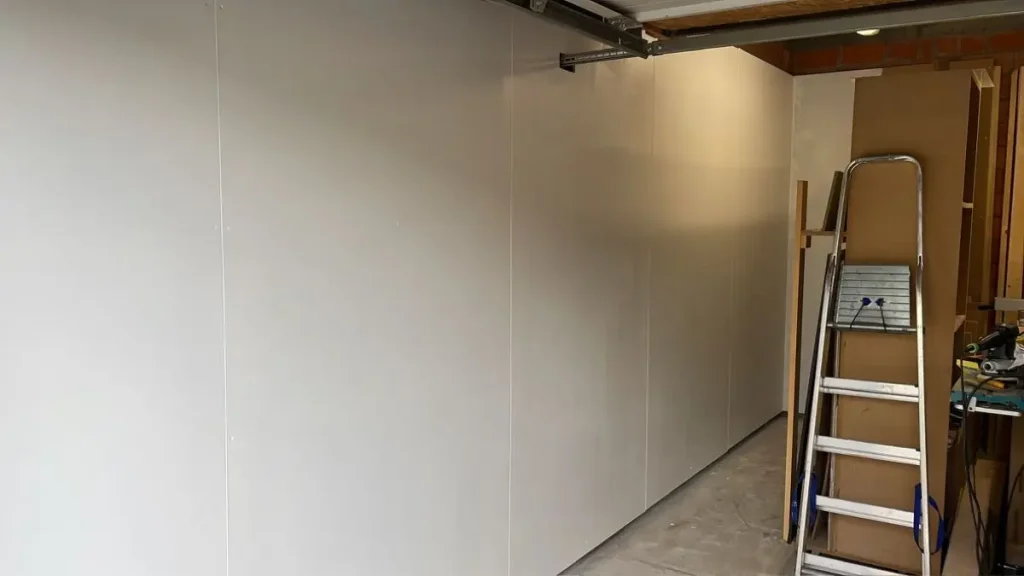
I remember standing in my small shop staring at those bare red clay block walls. They made the place feel darker than it really was, and they caught dust in every little pocket. Workshop walls matter more than most beginners think. The quiet answer is that good workshop walls simply make your space brighter, cleaner, easier to work in and ready for whatever you might hang later. When I switched to smooth MDF panels and painted them white, the whole room opened up. I could screw straight into the surface without worrying about plugs or anchors, and the light seemed to bounce instead of disappearing.
One small thing I learned in my own shop still feels useful: you do not need to overbuild if you are renting or unsure about the future. You can keep things simple now and still plan for insulation, cable runs or heavier storage when the time is right. That small bit of flexibility has saved me both frustration and money.
The rest of this guide just follows that same calm idea and looks at what workshop wall ideas should do for you.
Why You Can Trust This Advice
- I work in a small 3 by 6 meter garage shop where every surface matters, and my own walls shifted from rough clay blocks to smooth MDF panels that I use every day.
- I chose MDF because it paints cleanly, reflects light and lets me screw cabinets or cleats straight into it without anchors or complicated prep.
- Painting the walls white made the whole shop feel clearer and brighter, and I noticed how much easier it was to see layout lines and small details on the bench.

– Updated on
Key Takeaways
– You’ll understand what walls really do in a tight shop and how they change the feeling of the space.
– You’ll see how common panel options differ in surface, strength and light without needing technical depth.
– You’ll learn why pale tones help with clarity at the bench and keep the room more open.
– You’ll notice how a small layer of insulation can soften cold walls without becoming a full renovation.
– You’ll understand the quiet value of walls that accept screws anywhere so cabinets and cleats can shift as your shop grows.
Disclosure: At zero cost to you, I may get commissions for purchases made through links in this post. I earn from qualifying purchases as an Amazon associate. Products featured are selected based on quality, performance, and reputation, regardless of affiliate relationships.
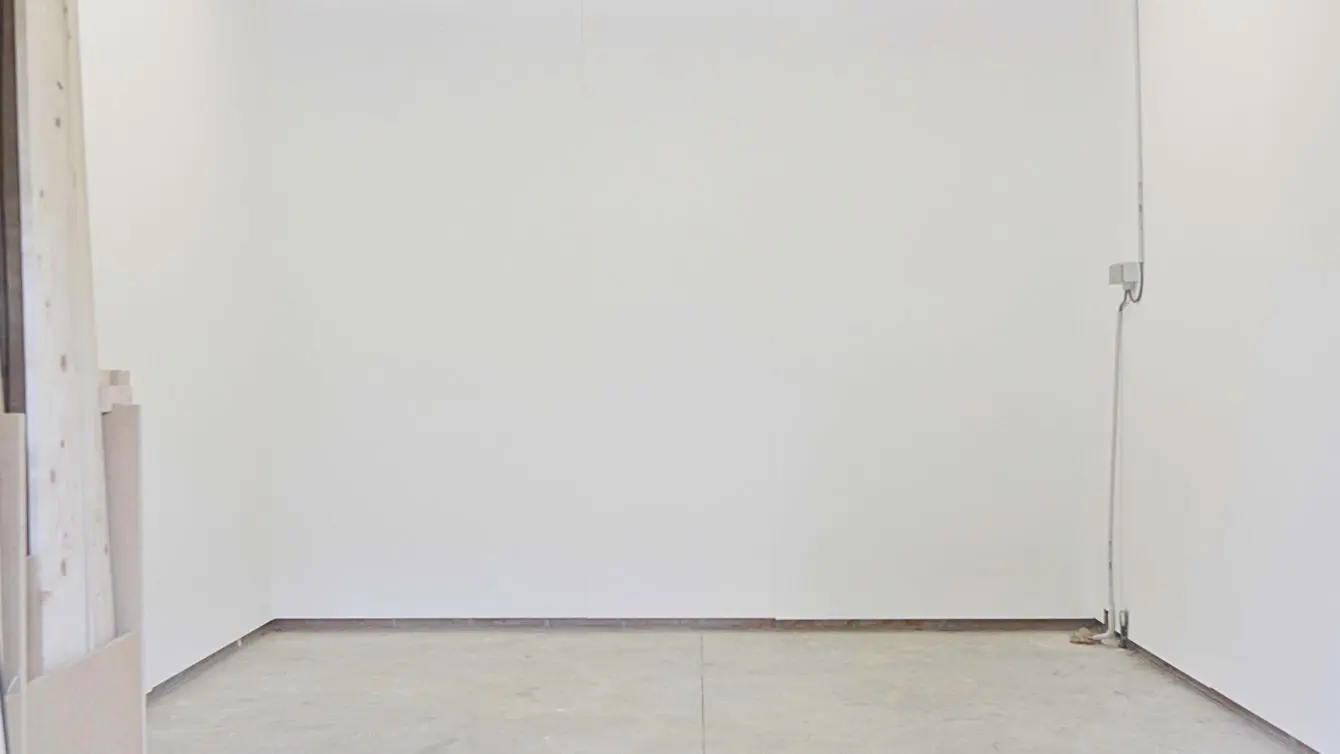
Table of Contents
What Good Workshop Walls Should Do
When I think about workshop walls, I mostly picture the way they change how a space feels when it is small and close around you. The room I work in is just three by six meters, so the walls sit right in my vision all the time. They affect the light, the dust and even how easy it is to move cabinets around. Good walls stay calm and practical. They brighten the room without drawing attention and they give you a surface you can trust.
Strength matters more than I expected. I wanted walls that could hold cabinets, cleat rails or a charging panel without any fuss. I do not want to look for plugs or measure anchor points. If I know I can sink a screw anywhere and it will hold, I stop hesitating and just build. Light matters too. Pale walls shift shadows, and in a tight space even a small lift can make working safer. A smooth surface also helps me keep dust under control. Rough block tends to catch fine dust in small pockets, especially around the bench.
A simple way I keep myself honest is by thinking about what the shop wall upgrade should quietly support:
- a surface strong enough for cabinets and rails
- light reflection that keeps the shop bright
- simple cleanup instead of dust traps
- room for future outlets and cable runs
- the option to add insulation later
Those points showed up while planning the shell of my shop. They also reminded me how much the walls and floor work together. When I first tried to set machines and cabinets, I had to check if your workshop floor is level, and once that felt right the walls made more sense too.
Smart Material Choices for Workshop Walls
Many beginners face the same quiet question at the start of their shop journey. Should the small workshop walls stay bare, or should they be covered with workshop wall panels like OSB, plywood or MDF. I had rough red clay block, and the surface felt heavy and dusty. MDF turned out to be the calm answer for me. It paints cleanly, looks finished and lets me screw anywhere without anchors.
Here is the small table that helped me weigh things:
| Material | Screw Holding | Paint Behavior | Dust Tendency |
|---|---|---|---|
| MDF | Good for cabinets and rails | Very smooth | Resists dust buildup |
| Plywood | Strong and durable | Visible grain, still easy | Can show fine dust |
| OSB | Strong core | Rough texture | Catches dust pockets |
| Painted masonry | Needs anchors | Accepts pale paint | Dust settles in pores |
MDF looks flat and clean, and I like how pale paint settles on it. Plywood is also reliable and strong, especially when you want visible wood grain. OSB works, though the roughness can make a small space feel busier. Bare masonry can still do the job in a rented garage workshop if it takes paint well and stays dry. Whenever I doubt, I think back to the differences between the strength and paint behavior of OSB and MDF used as workshop walls, and it helps me choose something that fits the mood of the shop.
Some people lean toward plywood because they want a natural surface. I have used it as well, and I liked how easy it was to fasten cabinets into plywood used as a clean and strong wall surface. In the end it is not about the perfect material. It is about the way your shop lives and the way you like to work.
When Plain Walls Are Enough
I have also seen small workshops where nothing more than pale paint over block or drywall made the room feel clear. If the walls stay flat, dry and quiet, you can leave them alone. Later on, if you ever want panels, you can add them without turning the shop upside down. When that moment arrives, I like to think through mounting panels safely without causing mistakes in the shop. It helps me keep both strength and neatness in mind.
Color and Light Choices for Calm, Bright Workshop Walls
Color shifts the mood of a small shop more than most people expect. Painting my walls white changed how the room felt. It pushed light into corners and softened the look of everything stacked around the bench. In a tight space, a pale surface can be the difference between feeling crowded or quietly focused.
Most of the best color for workshop walls ideas I have seen never drift far from white, soft gray or gentle beige. Pale tones reflect light and open the shop without asking for attention. In a small workshop, shadow edges matter. Darker colors can look interesting, but they eat light. When tools stand close beside the bench or table saw, I prefer seeing everything clearly.
There is a small habit I picked up over time. When I step back from a piece I am building, I notice how the wall color behind it changes how I see edges and proportions. Pale walls let things stand on their own. The background stays quiet.
Do Paint Finishes Matter
Finish plays a small role too. Satin has been a comfortable middle point for me. It reflects enough to help, without the shine that sometimes feels sharp. Matte softens everything, though it can hold smudges. Gloss reflects the most but can look slick. None of them are wrong. They just change the feeling in different ways. When I want to weigh those small differences, I sometimes look at the way a durable paint surface behaves on workshop walls. It helps me stay calm about the choice.
Basic Workshop Wall Insulation Awareness for Beginners
In my rented garage workshop, I kept insulation simple. The space cools down fast in winter, but because it is not mine permanent decisions felt too heavy. If I owned the shop, insulation behind the panels would be one of the first shop wall upgrades. Workshop wall insulation does not need to be deep to change comfort. It can slow heat loss, keep cold surfaces from causing condensation on tools and steady the temperature during long sessions at the bench.
I know some woodworkers who place a thin rigid foam behind the panels just to take that sharp chill away. Mineral wool can also work, though it needs framing. Concrete walls often feel cold year round. When they sit close to the bench, even a faint insulated layer can shift the feeling of the room.
I think about insulation in simple ways:
- does the wall stay cold even in mild weather
- do tools ever pick up moisture when left nearby
- do I plan to heat the space someday
- will I be here long enough to make the effort worthwhile
If those thoughts lean toward discomfort, insulation might become the quiet shop wall upgrade that makes workshop walls more pleasant. When moisture or temperature feel uncertain, I look to the way temperature and humidity move through a beginner workshop environment
(link: “Beginner Guide to Humidity and Temperature in a Woodshop” is under construction), because that gives me the context I need. For decisions that go beyond the wall itself and involve the whole shell, including ceiling, floors and airflow, I usually think of adding insulation to walls, floors and ceilings as part of a simple beginner approach
(link: “Complete Beginner Guide to Workshop Insulation” is under construction). It keeps everything in the right scale.
Planning Walls for Future Flexibility
This last part brings me the most peace. The workshop walls in my small shop accept screws almost anywhere. I do not plan every cabinet years in advance. I let the shop change with me. If I want a cleat rail above the bench, I fasten it. If I want to shift a drill charging shelf, I move it twelve inches and do not worry about anchors. Walls are not just the backdrop. They are a working surface.
Future flexibility is quiet but powerful. Tools grow over the years. Cabinets change. Dust control grows from simple hoses to semi fixed runs. Sometimes you add a strip light where shadows used to fall. If the workshop walls can handle those shifts without crumbling or refusing screws, the shop becomes easier to live in.
Tip: Before you mount anything permanent, step back and look at the wall as if you were just moving in. Notice the areas that feel strong, the straight lines, the studs and the open zones where panels or rails might land in the future. Give yourself that bit of breathing room. Workshop walls change over time, and it is easier when they are treated as a surface that can keep adapting.
A Few Last Thoughts
Workshop walls settle slowly over time. They shape the light in a small shop and hold the cabinets and fixtures that make the space feel like yours. I have found that simple, pale surfaces and panels you can trust turn even a garage workshop into something quieter and more focused. The walls do not need to be perfect. They just need to work with you and leave a bit of room for change.
This supporting post lives inside a much larger path on my site, one that helps beginners move from doubt to a functional first workspace.
Main Guide:
How to Set Up a Woodworking Shop Without Wasting Space in 5 Clear Steps
A broad starting point that walks through planning, shaping and building a small shop that feels bright, safe and efficient.
Second Guide Level (comes right after the main guide’s introduction):
Woodworking Shop for Beginners: 3 Steps to Claim Your Space
A gentle place to think about choosing the right woodworking shop space and preparing it so the room can actually support tools, lighting and day to day building.
Cluster Post (the one that leads into this supporting article):
Learn How to Prepare a Woodworking Shop in 3 Easy Steps
Where the focus shifts toward simple flooring, walls and early layout choices so the room becomes a steady foundation for everything that follows.
Frequently Asked Questions
Is it fine to keep my workshop walls bare if I am on a small budget?
Bare walls can work if they are dry, flat and painted in a pale tone. I did that early on in my rented garage workshop and it already brightened the space. Panels can always come later if you need more strength for cabinets or rails.
Do workshop walls really need to hold screws anywhere, or is that overthinking?
In a tight shop, being able to fasten shelves or cleats wherever they make sense feels freeing. I notice it most when I change a layout or hang something heavier. It is not essential, but it does keep upgrades simple and calm.
What is a simple way to choose between MDF, plywood or OSB without getting stuck?
I look at how the wall will be used. MDF paints smoothly and stays clean. Plywood feels strong and a little warmer. OSB holds screws well but looks busier. Any of them can work, so the mood and surface you want around you matter just as much as the specs.
Is workshop wall insulation worth it in a small garage shop that is only used on weekends?
If you only spend short bursts inside and the walls do not feel cold or damp, insulation can wait. When I stay longer in winter, I do notice the chill from uninsulated walls. It is one of those upgrades that makes more sense once the shop becomes a steady routine.
How do I keep workshop walls from feeling too dark without choosing a harsh white?
Soft gray or pale beige can be enough. They still bounce light around the bench and make layout lines easier to see. I went with white in my space because the room is small, but any gentle tone that reflects light can make workshop walls feel clearer.
What does future flexibility actually mean when planning workshop walls?
For me it mostly means leaving room for wiring paths and knowing the surface can take screws anywhere. Sometimes I add a cleat rail and sometimes I shift a cabinet by a few inches. I like that the walls are ready instead of fixed in one layout.







Leave a Reply