
Most people thinking about plywood shop walls are really trying to answer one simple question: is plywood good for workshop walls when the space is small and the work is practical. Plywood has this steady, layered feel that makes a room settle the moment you hold a sheet in place. The surface already looks more intentional than OSB and feels stronger around fasteners than MDF. I remember lifting the first panel in my own garage and noticing how the wall suddenly felt ready for whatever workflow I would build there later.
The part that tends to raise doubt is how plywood behaves once real life sets in. Cold mornings, a bit of drifting humidity, heavy brackets that stay up for years. So this guide walks through what plywood does well, where it needs a bit of attention and how to decide if plywood for shop walls actually fits the way you work.
Why You Can Trust This Advice
- I work in a small 3 by 6 meter garage, so every wall decision has to deal with tight space, changing temperatures and day to day use.
- I compared OSB, MDF and plywood side by side, checking screw strength, paint behavior, weight, stability and long term wear.
- I learned which details matter most, especially when you want a wall that feels strong without looking rough or requiring constant upkeep.

– Updated on
Key Takeaways
– You’ll understand how plywood creates a strong, predictable surface that feels steady in a small workshop.
– You’ll learn how layered wood fibers grip screws and why this helps with heavier fixtures.
– You’ll see why sealing cut edges and managing humidity keeps plywood calm over time.
– You’ll notice where plywood sits between MDF and OSB in terms of smoothness, texture and ease of finishing.
– You’ll understand a few simple habits that prevent bowing or small gaps as the seasons change.
Disclosure: At zero cost to you, I may get commissions for purchases made through links in this post. I earn from qualifying purchases as an Amazon associate. Products featured are selected based on quality, performance, and reputation, regardless of affiliate relationships.
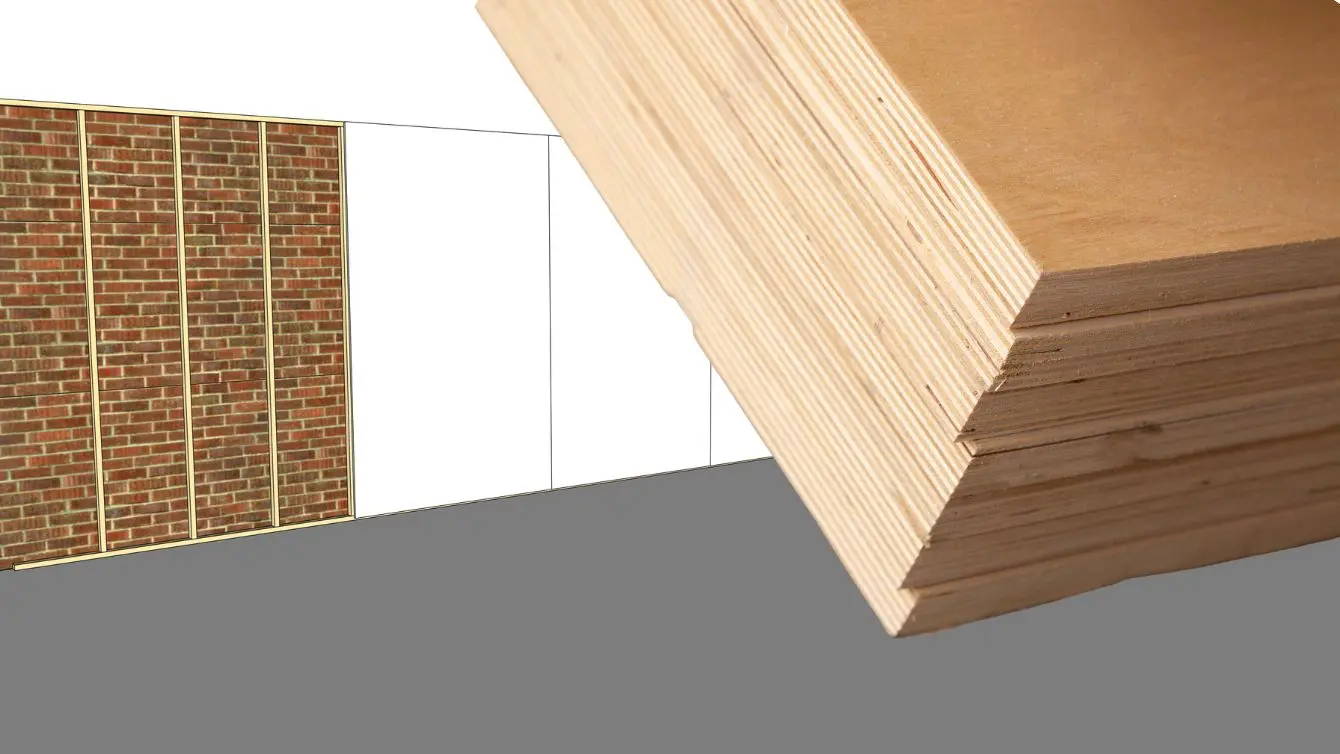
Table of Contents
Plywood Shop Walls: When It Makes Sense
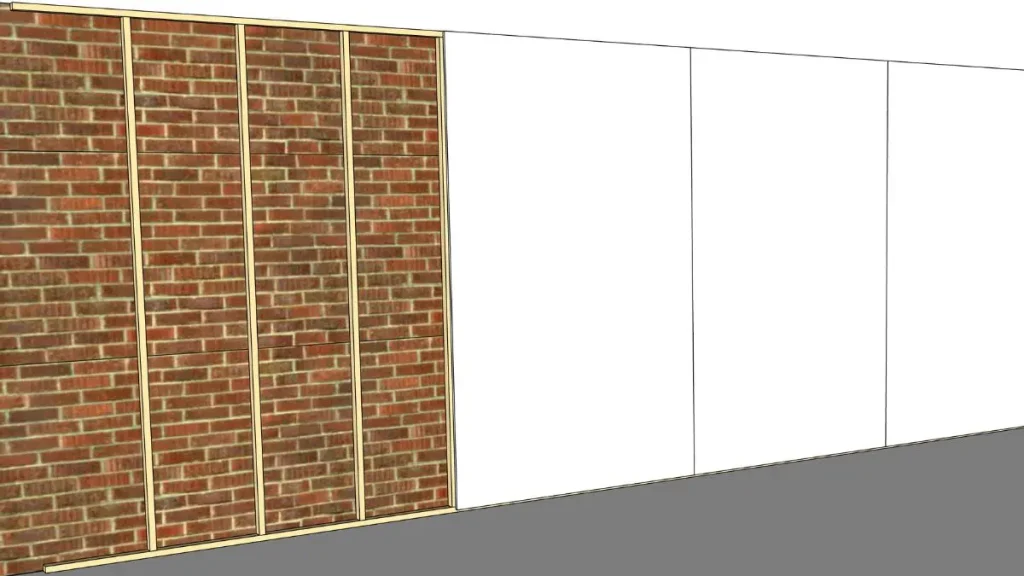
Plywood shop walls work best when you want something durable that still looks intentional. The panels are strong around screws, they resist chipping better than OSB and they offer a cleaner, more refined surface without needing the perfect finish that MDF expects. In a beginner workshop, that balance between strength and simplicity feels comfortable.
What I like most is how plywood stays predictable. Even unpainted, the surface looks neat. With primer and paint, the grain softens into a gentle pattern that still feels like real wood instead of raw construction material. If you want a workshop that feels clean but not sterile, plywood for shop walls often fits that quiet middle ground.
If you want to understand how OSB behaves in similar situations, there is more detail in my guide on OSB shop walls.
Plywood Shop Walls Pros and Cons
People often search for plywood shop walls pros and cons, and the list becomes clearer once you handle the sheets in person.
Pros
- Strong around screws and heavy fixtures
- Less splintering than OSB when cutting or drilling
- More stable than MDF when humidity shifts
- Handles paint well without feeling flat or dull
- Looks clean even without a full finishing plan
Cons
- More expensive than OSB
- Grain patterns may show through thin paint
- Edges need sealing to prevent moisture creep
- Heavier loads require stud anchoring, not just panel strength
For beginners, plywood feels like a steady middle path. It supports layout changes and heavier tools more confidently than MDF, and it avoids the rough, visible texture of OSB.
Does Plywood Warp in a Workshop?
The question does plywood warp in a workshop shows up often. Even though plywood is stable because of its layered construction, moisture can still influence it.
Warping usually happens when:
- cut edges are left unsealed
- the sheet touches a damp concrete surface
- airflow is poor
- temperature swings are strong
Once sealed and fastened firmly against studs, plywood stays calm in most small garages. In my shop, the sheets stayed straight through cold winters and warm summers because the edges were sealed, there was airflow behind the wall and the sheets were supported properly.
If you ever wondered can you use plywood for walls in real shop conditions, the answer is yes, as long as the details above are respected.
How Plywood Handles Screws, Hooks and Fixtures
This is where plywood quietly proves its value. Long wood fibers grip screws with confidence, so heavy brackets, clamps, cabinets and French cleats all feel secure when anchored into studs. Even lighter fixtures behave well because the surface resists tearing.
Compared with MDF, plywood fibers do not crumble at the edges. And compared with OSB, the screw point feels cleaner and more predictable. If you prefer mounting things without overthinking fastener behavior, plywood shop walls tend to feel calm and forgiving.
If mounting habits are new to you, there is helpful guidance in my article on safe panel installation.
Painting Plywood Workshop Walls
Painting plywood is simple, although the grain influences the final look. With primer, the surface softens quickly. A second coat makes everything feel cleaner while still showing a little pattern.
Quiet lessons from my own workflow:
- Use a good primer to calm the grain
- Sand lightly between coats
- Expect a natural wood feel unless you apply heavier paint
- Seal edges to prevent moisture creeping into layers
If you want to compare paint finishes, this is explained fully in my paint finish guide.
When Plywood Is Not Your Best Option
Even though plywood behaves well, it is not perfect for every shop. I would not choose it if:
- the garage is extremely damp
- you want a perfectly smooth, flawless painted surface
- your workflow needs hidden seams
- budget is tight and OSB could do the job
In these cases, MDF provides the smoothest finish, and OSB gives strong anchoring at lower cost.
To compare these materials side by side, there is a clear overview in my MDF workshop walls guide.
Comparing Plywood, OSB and MDF for Workshop Walls
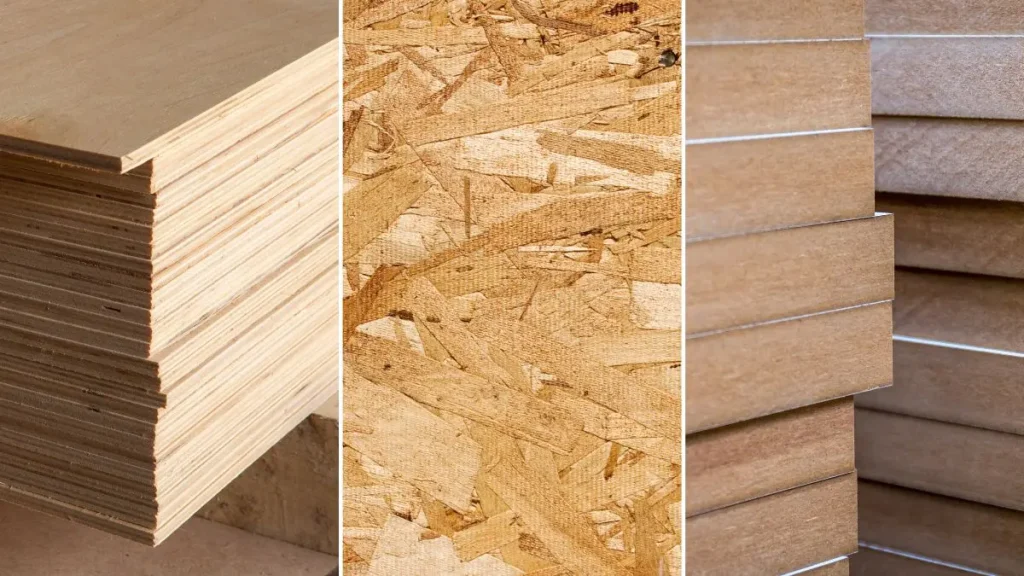
Here is the pattern that usually becomes clear once you work with all three.
| Material | Best Qualities | Weak Points |
|---|---|---|
| Plywood | Strong around screws, stable in humidity, clean grain | Shows grain through paint, edges need sealing |
| OSB | Rugged, cheap, great screw holding | Rough texture, visible strands |
| MDF | Smoothest finish, paints beautifully | Moisture sensitive, weaker around screws |
If you want a blend of strength and a clean finish without going fully smooth, plywood shop walls feel like that steady middle path.
What To Keep In Mind Before Installing Plywood
Before fastening your plywood sheets, a few details help avoid surprises:
- Seal cut edges to prevent moisture creeping in
- Mark stud layout so seams land neatly
- Choose proper screw length for layered wood
- Leave room for outlets, conduit or small utility runs
- Prime the surface if you want a calmer, painted look
- Support panels during installation since plywood can be heavy
A Few Last Thoughts
It feels steady to say that plywood shop walls offer a dependable middle ground. They look clean, hold hardware well and stay predictable through the seasons. If you ever decide that plywood fits your workflow, it might become the most practical mix of strength, simplicity and long term comfort in a small workshop.
This sub supporting post sits one layer below the main supporting article that leads here.
Cluster Post
Learn How to Prepare a Woodworking Shop in 3 Easy Steps
This cluster sets the wider frame for understanding how flooring, wall choices and environment shape a beginner workshop as it comes together.
Supporting Article
Clear Workshop Walls Basics for Setting Up a Woodshop
This piece provides the foundation that naturally leads into understanding common wall materials and eventually into plywood as one of the balanced options.
Frequently Asked Questions
How thick should plywood be for workshop walls?
Most small shops feel comfortable with panels between 12 mm and 18 mm. Thinner sheets work for light hardware while thicker panels stay steadier if you expect French cleats, brackets or cabinets to stay up for years. The sweet spot usually depends on how permanent your layout feels.
Can you use plywood for walls without covering the seams?
Yes. Many woodworkers leave the seams visible because plywood edges look clean once they are primed and painted. If you want a smoother look, you can fill the seams lightly, but you do not need drywall-level perfection for plywood shop walls to look intentional.
Is sanding necessary before painting plywood shop walls?
A light sanding helps the primer settle evenly and calms the grain so the paint looks more consistent. You do not need heavy sanding. Just a quick pass between coats keeps the surface feeling quiet and controlled.
Do plywood shop walls help with sound or insulation?
Plywood itself does not add much insulation, but it does make the wall feel more solid and can reduce sharp echoes in a small workshop. If sound or temperature control matters, most of that improvement comes from what sits behind the panel, not the plywood sheet alone.






Leave a Reply