
Most people who think about osb for shop walls are really trying to figure out whether the material feels steady and useful in a small space like mine. In many ways it does. OSB turns bare framing into something you can actually work with, holds hardware firmly, and gives a shop wall a solid, practical feel right away. When I was planning my own layout for osb workshop walls, I compared OSB with MDF for weeks. MDF won for me because I wanted a flat, quiet painted surface, but the truth is that osb shop walls have their own strengths that beginners often overlook.
Most people who think about osb for shop walls are really trying to figure out whether the material feels steady and useful in a small space like mine. In many ways it does. OSB turns bare framing into something you can actually work with, holds hardware firmly, and gives a shop wall a solid, practical feel right away. When I was planning my own layout for osb workshop walls, I compared OSB with MDF for weeks. MDF won for me because I wanted a flat, quiet painted surface, but the truth is that osb shop walls have their own strengths that beginners often overlook.
So if you are sitting with the question of whether OSB belongs on the walls of your own workshop, this guide walks through the practical parts in a calm way, from thickness choices to mounting habits and finishes.
Why You Can Trust This Advice
- I work in a small 3 by 6 meter garage, so choosing wall panels like OSB is always about practical space, cold temperatures and real day to day workflow.
- I compared OSB and MDF directly in my own shop, testing how they handle screws, paint and wear before deciding what to put on my walls.
- I learned that raw OSB fibers crush slightly when a screw comes out and that simple details like sealing edges or choosing the right thickness quietly make a big difference over time.

– Updated on
Key Takeaways
– You’ll understand why OSB works best when mounting points stay steady rather than shifting often.
– You’ll learn which thickness choices feel reliable when you expect shelves, hooks or cleats in a small shop.
– You’ll notice how sealing edges or adding light primer helps OSB stay calmer in a cold or slightly damp space.
– You’ll see the simple tradeoff between OSB’s strength at the screw point and its rough look once the room is fully paneled.
– You’ll understand that OSB usually feels most at home in practical layouts where function matters more than a flawless finish.
Disclosure: At zero cost to you, I may get commissions for purchases made through links in this post. I earn from qualifying purchases as an Amazon associate. Products featured are selected based on quality, performance, and reputation, regardless of affiliate relationships.
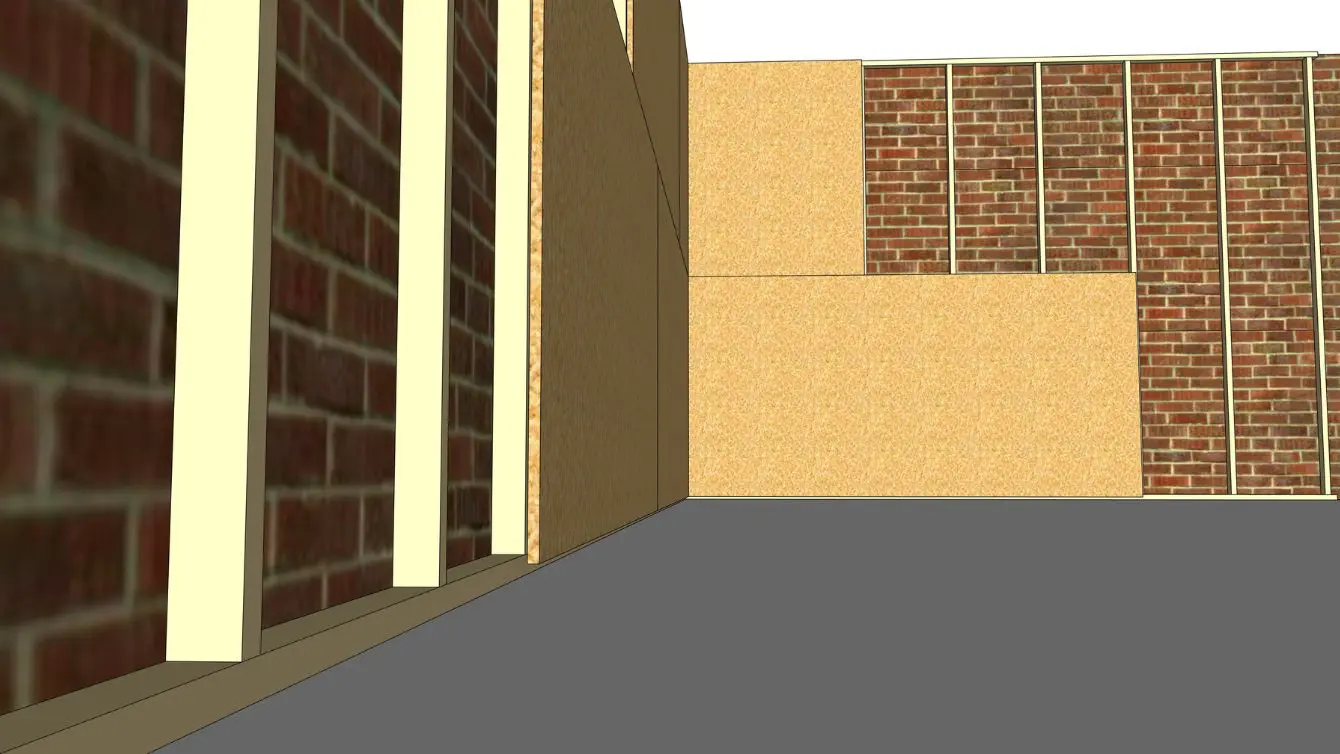
Table of Contents
OSB For Shop Walls: When It Makes Sense
OSB for shop walls works best when you care more about function than perfection. The texture is rough and a little chaotic, but in a small garage it feels honest. You can drive screws straight through the sheet into studs, hang simple hardware, mount a small jig, or map out your storage layout using cleats. Because osb workshop walls are usually cheaper than smoother materials, the jump from bare studs to a fully usable wall happens quickly.
works best when you care more about function than perfection. The texture is rough and a little chaotic, but in a small garage it feels honest. You can drive screws straight through the sheet into studs, hang simple hardware, mount a small jig, or map out your storage layout using cleats. Because osb workshop walls are usually cheaper than smoother materials, the jump from bare studs to a fully usable wall happens quickly.
Which OSB Thickness Fits a Garage or Small Shop Wall
Most small garage setups feel right with OSB sheets that stay firm at the screw point. The right thickness depends on your needs, your layout and how long the mounting points will stay in place. One question beginners often ask is what size osb for garage walls when cleats, hooks or shelves are expected to stay for years. Thin sheets work for light hooks, but thicker ones bring calm when weight settles in for the long term.
Here is a simple way I measured it when I was planning my own OSB walls in shop conditions:
| Common Thickness | What It Usually Handles Well | Where It Struggles |
|---|---|---|
| 9 mm | Light hooks and simple layout panels | Heavier cleats and anything that needs strong anchors |
| 12 mm | Most tool holders, small shelves and jig brackets | Occasional flex if studs are spaced wide apart |
| 18 mm | French cleats, heavier storage, long term mounts | Cost increases a bit for a full wall |
Thicker boards offer more confidence at the screw point, especially when you expect your osb workshop walls to stay unchanged for a long stretch.
How OSB Handles Screws, Hooks and Heavy Fixtures
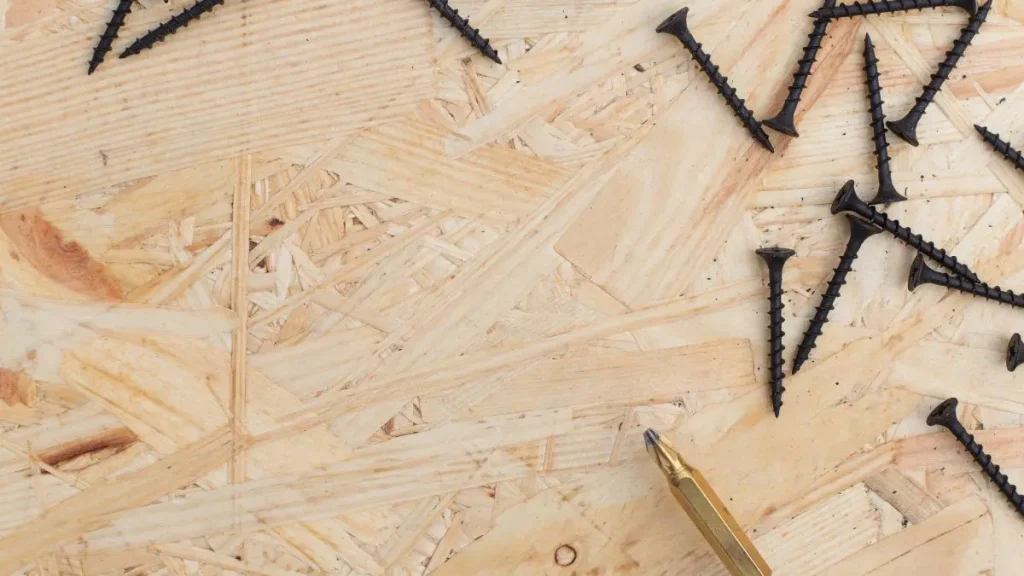
Wood fibers in OSB grip screws firmly on the first pass. The panel holds pressure around the fastener without tearing or splitting, which makes osb for shop walls surprisingly steady in daily use. Most of the time I drill through the sheet and aim for a stud when weight matters. For lighter hardware, OSB handles small pilot holes well.
The only quiet drawback shows up when you remove a screw. Raw fibers compress, and the hole never feels clean again. It does not affect strength right away, but the surface never looks fresh. That is the moment I realized osb shop walls reward intentional placement rather than constant rearranging. When mounting points stay fixed, osb workshop walls stay solid for a long time.
A Short Note From My Shop Wall Tests
When I built that small OSB pegboard on a wooden frame, everything held up fine until I shifted a bracket. After pulling the screw out, the fibers around it frayed slightly. It was not a problem, but it reminded me that osb walls in shop spaces feel calmer when you commit to a layout. If you expect to move things every few weeks, OSB might feel a little too fixed.
Moisture, Paint and OSB Finish
A cold garage has moisture drifting in slowly and settling in corners. Osb workshop walls can handle that, but they appreciate a bit of support. Sealing the edges or adding a thin primer coat keeps the fibers from pulling in humidity too easily. The strands will still show after paint. I found the natural tone a little dark in my small space, but many people enjoy the raw industrial look.
Paint does not change the structure. It only softens the visual pattern. If you enjoy a brighter mood in a tight shop, painting helps. If you prefer the untouched texture, osb for shop walls stays honest as it is.
If you are weighing paint options, especially how matte, satin or semi-gloss behave on a surface like OSB, there is some quiet clarity inside the idea of keeping reflections soft and durable with the right paint finish.
Tip: When painting OSB indoors, I try a small test patch first. Some boards drink primer unevenly, and one thin coat often shows the grain in an interesting way. The second coat usually feels calmer without hiding the character.
When OSB Is Not Your Best Option
There are moments when osb shop walls are simply not ideal. If you shift hardware often, move cleats around or update your layout regularly, smoother panels behave better. MDF looks flatter, paints with fewer marks and tolerates layout changes more gracefully. Plywood tends to splinter less around drill points and keeps its edges cleaner.
If you want a softer, even painted surface, there is a quiet path in the smoother feel of MDF used for workshop panels.
If you want stronger fibers that handle screws with less splintering, you will find more confidence in the tougher nature of plywood for beginner workshop walls.
What To Keep In Mind Before You Install OSB
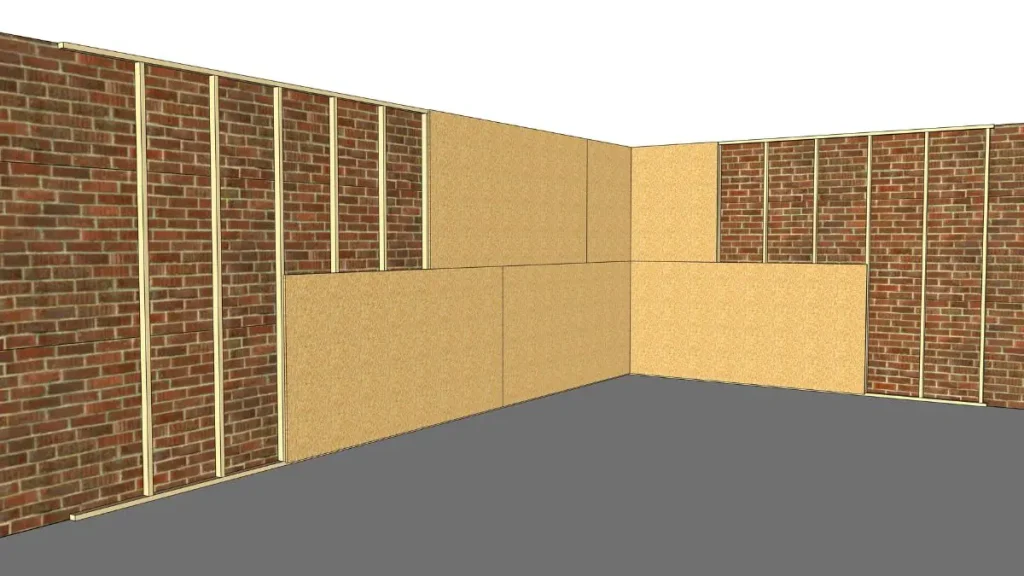
Once that part is settled, osb workshop walls feel simple to install. Stud spacing matters. Screw length matters. And small decisions about utilities make a big difference later in a small garage.
- Mark stud layout before the OSB covers your view
- Leave space for outlets or small utility runs
- Seal exposed edges if your garage is damp or cold
- Prime lightly if you want a softer look
- Keep mounting points thoughtful and steady
If you want a clearer sense of how panels tie into the framing, there is practical value in understanding safe mounting habits for workshop wall panels.
A Few Last Thoughts
It feels calm to say that osb for shop walls sits somewhere between utility and quiet honesty. It may never look perfect, but osb workshop walls stand up to drills, hardware and the simple routines of a small shop. If you ever settle on osb walls in shop settings, you might find the right balance between effort and what you actually need.
This sub-supporting post is part of a smaller path in my site structure, right below the main supporting article that led you here.
Cluster Post:
Learn How to Prepare a Woodworking Shop in 3 Easy Steps
This cluster lays out the broader frame for setting up a beginner friendly shop and shows how choices like flooring, walls and environment fit together in a steady, practical way.
Supporting Article (the one that leads into this supporting article):
Clear Workshop Walls Basics for Setting Up a Woodshop
That broader piece gives the grounding that naturally narrows down toward understanding common wall panel choices for a beginner workshop and eventually into OSB as one of them.
Frequently Asked Questions
Is OSB for shop walls strong enough to hold heavier tools or brackets?
Yes, OSB handles screws and wall pressure well when you anchor into studs. It feels solid under common tool holders and brackets. I noticed that even simple cleat systems stay stable as long as the mounting points are chosen with care.
Does OSB need to be sealed or primed before mounting it on workshop walls?
It depends on your space. In a cold garage like mine I found it helpful to seal edges or add a light primer coat so the board is less sensitive to moisture. The texture stays visible, but the surface feels calmer.
What thickness of OSB works best for small workshops?
Most people feel safe using boards thick enough to avoid flex when you add hardware. Thinner sheets can work for light hooks while thicker ones suit shelves or cleats. The right thickness usually depends on how permanent your setup feels.
Can I fill or repair screw holes in OSB if I change my layout?
Raw OSB does not heal perfectly once a screw comes back out. The fibers crush a little and the spot looks used. It is not a structural issue, but it never returns to a clean surface.
Is OSB workshop walls a good choice if the garage is damp or cold in winter?
It still works, but it appreciates a bit of protection. Light priming or edge sealing keeps moisture from settling into the fibers. In my own cold space that was enough to keep the sheets stable.
Will OSB look too dark once it covers all my shop walls?
Some people enjoy the raw pattern while others feel it makes the room heavier. I found it a little dark in a small garage. A thin coat of paint can soften it without hiding the character if brightness matters to you.






Leave a Reply