
Sometimes the best paint for workshop walls is simply the one that doesn’t fight you. I learned that the hard way when dirt kept clinging to my old walls, no matter how often I wiped them down. In a small shop, that kind of thing gets annoying fast. The short answer is that a washable satin or semi gloss finish is usually the safest choice for most workshops.
When I first painted the MDF walls in my own space, the change felt almost strange. The white finish bounced light around the room, made the shop feel wider and calmer, and suddenly I could see small layout lines that used to hide in the shadows. That moment taught me that paint is quietly part of your workflow, even if you never think about it that way.
So let’s look at how finish, color and brightness all come together and how to choose something that actually supports you while you work.
Why You Can Trust This Advice
- I work in a small 3 by 6 meter garage shop where painted MDF walls deal with dust, bumps and steady daily use, so I pay attention to how a finish behaves over time.
- I’ve repainted walls that collected dirt too easily, and I’ve seen firsthand how the right sheen makes the space brighter and a lot easier to keep clean.
- My choices come from quiet trial and error in a tight workspace where every surface has to earn its place and nothing can feel high maintenance.

– Updated on
Key Takeaways
– You’ll understand how different paint finishes change the way light moves through a small workshop.
– You’ll notice why surfaces like MDF or OSB react differently once you add a new coat.
– You’ll learn how color choices can make a cramped shop feel calmer and a little more open.
– You’ll see why light cleaning and steady durability matter more than perfect walls.
– You’ll understand how a small test piece can reveal the right finish without guesswork.
– You’ll notice how a thoughtful paint choice quietly supports your daily workflow.
Disclosure: At zero cost to you, I may get commissions for purchases made through links in this post. I earn from qualifying purchases as an Amazon associate. Products featured are selected based on quality, performance, and reputation, regardless of affiliate relationships.
Table of Contents
Understanding the Best Paint for Workshop Walls
Choosing the best paint for workshop walls feels simple until you start noticing how finish and color change the way a small shop behaves. Light shifts in quiet ways. Dust settles in patterns you do not expect. A room can feel narrower or wider depending on how the walls respond to your lighting. Once you notice these things, you begin to see paint as part of the workspace instead of decoration.
The best paint for workshop walls usually sits somewhere between satin and semi gloss. Satin gives a soft lift without feeling sharp. Semi gloss brightens a cramped corner and makes layout lines easier to see. Matte and eggshell still have their charm, but they tend to hold dust in a way that makes even a clean room feel tired. In my shop, I have watched each finish behave differently depending on the surface underneath, especially on painted MDF panels where every small decision becomes visible over time.
How Light Reflection Shapes a Small Workshop
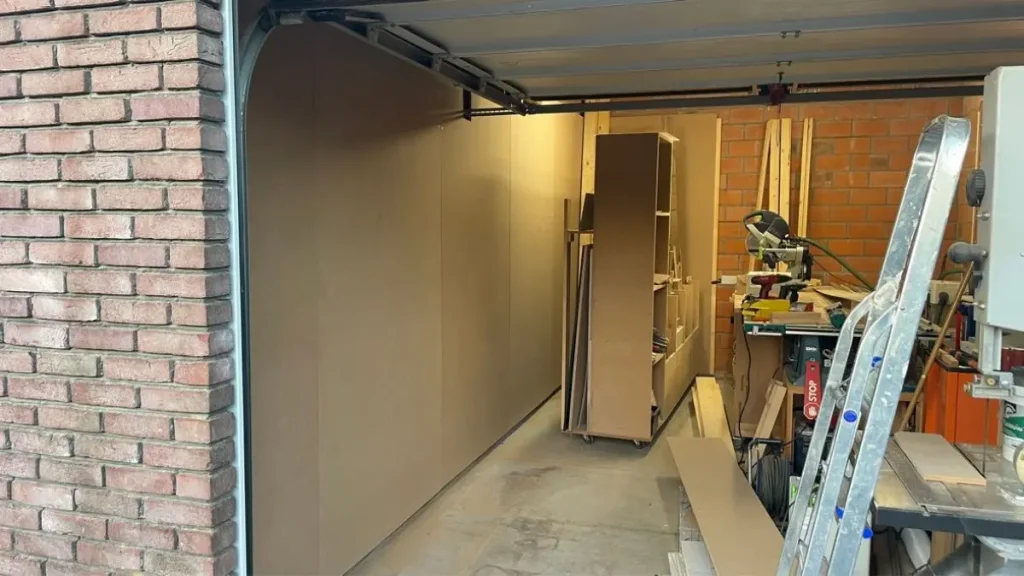
In a room that measures only a few meters across, even a small bump in reflection changes how you work. Light that bounces gently off satin helps you see grain direction and pencil lines without feeling harsh. Semi gloss shifts the room another step and makes the space feel a little wider. Both finishes make the best paint for workshop walls feel less like a style choice and more like a practical one.
How Cleaning and Wear Influence the Right Finish
Dust collects no matter how careful you are. A finish that wipes clean without effort quickly becomes part of your routine. Durable paint for shop walls keeps its calm appearance even when clamps bump into it or when scraps brush past during a busy day. After a while you start to understand why so many people look for the best paint finish for workshop walls instead of simply choosing a pretty color. It is about choosing a finish that stays steady in real use rather than one that needs constant attention.
How Wall Materials React to Paint in Real Workshops
Every shop wall has its own texture and mood, and that changes how the best paint for workshop walls behaves on the surface. OSB absorbs paint unevenly unless you prep it properly. MDF drinks up primer but settles beautifully once the first coat evens out. Plywood sits somewhere in the middle, where grain patterns can still whisper through the finish. These differences influence how much sheen you want, how bright the room becomes and how long the surface stays clean.
When someone tries out a new product without prep, the result usually tells its own story. It often leads to questions about how OSB behaves once paint settles into its rough texture or whether the smoother surface of MDF walls changes how the finish reflects your shop lighting. The best paint for workshop walls becomes easier to choose once you pay attention to how the surface reacts.
Comparing How Different Wall Types Accept Paint
A small table can help make the differences easy to see.
| Wall Material | Behavior With Paint | Notes |
|---|---|---|
| OSB | Absorbs unevenly, needs sealing | Good once primed well |
| MDF | Smooth and consistent | Works well with satin or semi gloss |
| Plywood | Grain may show slightly | Benefits from a steady primer coat |
Tip: If you are unsure how your surface will react, paint a small leftover panel with two finishes. Put it near your bench under normal lighting. The right answer usually shows itself without much thinking.
How Wall Panels Affect Your Decision
Some shops use preinstalled panels to keep wiring tidy or to create a cleaner surface. The best paint finish for workshop walls changes slightly if the panels already have a coating or if their seams are visible. It helps to understand how simple workshop wall panels behave once they are mounted and ready for paint. Paint settles differently when the wall is already structured.
Choosing Workshop Paint Colors That Support Your Workflow
Color often shapes a shop more than sheen. Light colors open small spaces. Whites and neutrals make the shop feel calmer. The best color for shop walls is usually something that reflects more than it absorbs. Strong colors can look appealing at first, but they often shrink a room or create glare when paired with brighter lighting.
If you are trying to figure out what color to paint workshop walls, start by thinking about how your tools cast shadows. Soft tones keep the room steady. Whites lift the space without overwhelming it. Most workshop paint colors that work well tend to fall within this gentle range, especially in small garages where light needs help finding its way.
Why Light Colors Make Such a Difference
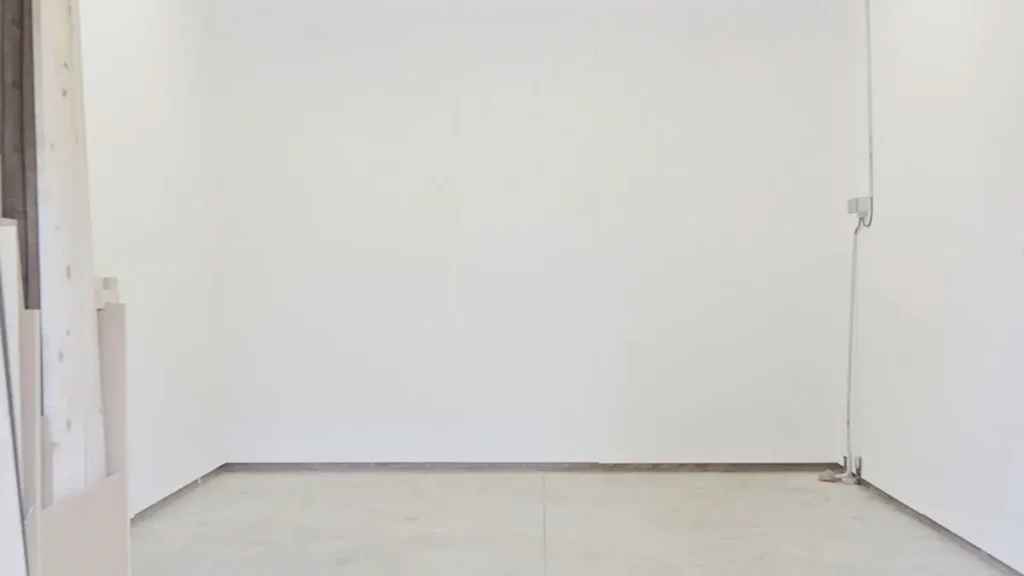
A white or near white wall quietly brightens the whole shop. When I painted the MDF walls in my own space, the room felt larger and more open. Dust became easier to see, which oddly made cleanup simpler. It also reinforced why the best paint for workshop walls often goes hand in hand with the best color for shop walls. Both ideas shape how you move through the space.
Soft Neutrals vs Bold Colors
Soft neutrals support long work sessions without tiring your eyes. They also make lighting feel more honest, not exaggerated. Bold colors can feel fun but tend to interfere with how shadows form around your tools. When workshop paint colors push too far into dark or saturated tones, the space can start to feel smaller even when nothing else has changed.
Tip: If you are torn between two colors, paint a small test piece and place it behind your miter saw or drill press. Those corners often reveal how well a color plays with the rest of the room.
Practical Tips for Painting Different Wall Types
Painting shop walls is never just a matter of choosing the best color for shop walls or deciding what color to paint workshop surfaces. The way each material reacts to primer and finish shapes the final result. MDF likes an even base coat. Plywood settles better once the grain is sealed. OSB benefits from extra patience so the texture does not shine through too strongly.
A short checklist helps keep everything grounded.
- Remove sanding dust near the floor
- Prime MDF or OSB before painting
- Use a consistent roller to avoid patchy reflection
- Make sure seams in panels are smooth before applying the final coat
If you have mixed wall materials, you may notice different workshop paint colors behaving in slightly different ways. That is normal. It often depends on how plywood reacts once coated with a light finish and how the seams in OSB or MDF align behind the primer.
Finishes That Hide Imperfections
Lower sheen finishes help soften seams or dips in older walls. Satin keeps things balanced. Semi gloss shows more detail but rewards you with better visibility on workdays.
Simple Beginner Friendly Paint Options
Sometimes beginners look for guidance on which products feel reliable without adding extra decisions. A few simple categories generally help when choosing the best paint for workshop walls.
A washable satin for steady visibility
No products found.
A semi gloss option for bright corners
No products found.
A primer that settles evenly on MDF, OSB or plywood
No products found.
These help the space stay calm and predictable, especially when workshop paint colors stay on the lighter side.
A Few Last Thoughts
It’s interesting how something as simple as paint can shape the rhythm of a workshop. The best paint for workshop walls is rarely a dramatic choice. It’s more of a quiet adjustment that slowly makes the room feel steadier and a little easier to work in. When the walls brighten the space just enough and stay easy to clean, the rest of the workday flows with less resistance. I like that kind of shift, the small one you only notice when you step back and catch the room in a calmer moment. It feels like a natural place to pause before heading into the next part of your setup.
This sub-supporting post is part of a smaller path in my site structure, right below the main supporting article that led you here.
Cluster Post:
Learn How to Prepare a Woodworking Shop in 3 Easy Steps
This cluster sits above everything in this path and gives a broader sense of how a workshop slowly takes shape as each choice supports the next.
Supporting Article (the one that leads into this supporting article):
Clear Workshop Walls Basics for Setting Up a Woodshop
That supporting article guided the way toward this focused question, showing how the larger wall decisions set the stage for the details explored here.
Frequently Asked Questions
Why does satin often feel like the safest finish for workshop walls?
Satin reflects enough light to keep a small shop calm and bright without feeling sharp. It also stays easy to clean when dust builds up. In my experience, that balance makes day to day work feel a little smoother.
Can matte paint work in a workshop or will it always show too much dust?
Matte can work, but it tends to hold onto small marks and speckles. In a space where sanding happens often, that can make the walls look tired sooner than you expect. A slightly higher sheen usually feels more forgiving.
Does the surface underneath the paint change the final look on the wall?
Yes, the material shapes the finish more than most people realize. MDF usually levels out nicely, while OSB or plywood can show texture unless they are primed well. I have seen each one behave differently in my own shop.
How do I choose the best color for shop walls if my lighting is not great?
Lighter tones usually help the space feel wider and clearer. White or near white makes shadows softer and layout lines easier to see. It is often the simplest answer when you are unsure what direction to take.
What should I focus on first if I want the best paint for workshop walls to last longer?
A good primer and a clean surface make a bigger difference than most beginners expect. When the base coat grips evenly, the finish holds up better through bumps, dust and everyday use. It keeps the room steady over time.
Is semi gloss too bright for a small workshop or does it make the room feel bigger?
Semi gloss can feel strong at first, but in tight spaces it often adds clarity instead of harshness. It reflects just enough to lift the room and make details easier to see. If glare worries you, test a small panel before committing.
Further Reading
If you’re curious how color subtly shifts the sense of space in a room, you might find how certain tones change the perception of interior spaces a helpful place to wander for a moment.









Leave a Reply