
Most people who want to start woodworking do not doubt their interest. They doubt their situation. The space they have. The room they do not have. The feeling that things would make more sense later, once everything is properly set up.
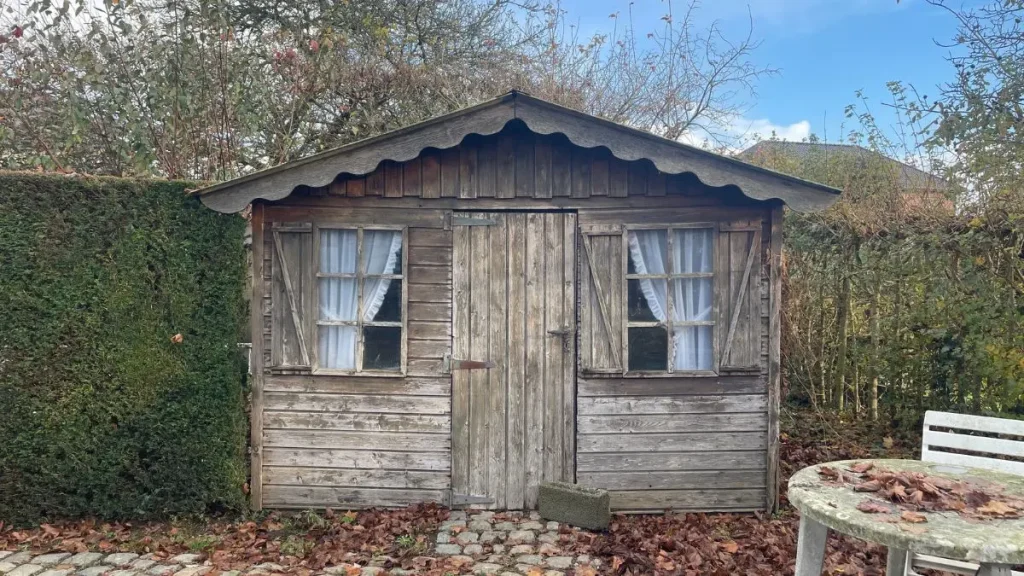
I recognize that hesitation well. I started without anything that looked like a real workshop. My tools lived in the corner of a room, and whenever I wanted to work, I carried everything outside. Before that, as a teenager, I built small projects in my parents’ garden shed. It was basic and sometimes inconvenient, but it worked. More importantly, it was enough to begin.
So the real question underneath all of this is simple: can you do woodworking without a shop?
Yes. Woodworking without a shop is absolutely possible, as long as you shape your projects around the space you have.
What makes this confusing is what you usually see online. Large shops. Heavy machines. Endless floor space. That image quietly sets the bar in the wrong place. In reality, most early woodworking needs far less room than people expect. What matters more is understanding what your space can support right now, and being honest about its limits. Once that becomes clear, starting feels lighter, and the path forward stops feeling blocked.
Why You Can Trust This Advice
- I started woodworking without a proper shop, working outside and out of a garden shed, carrying my tools back and forth each time I wanted to build something.
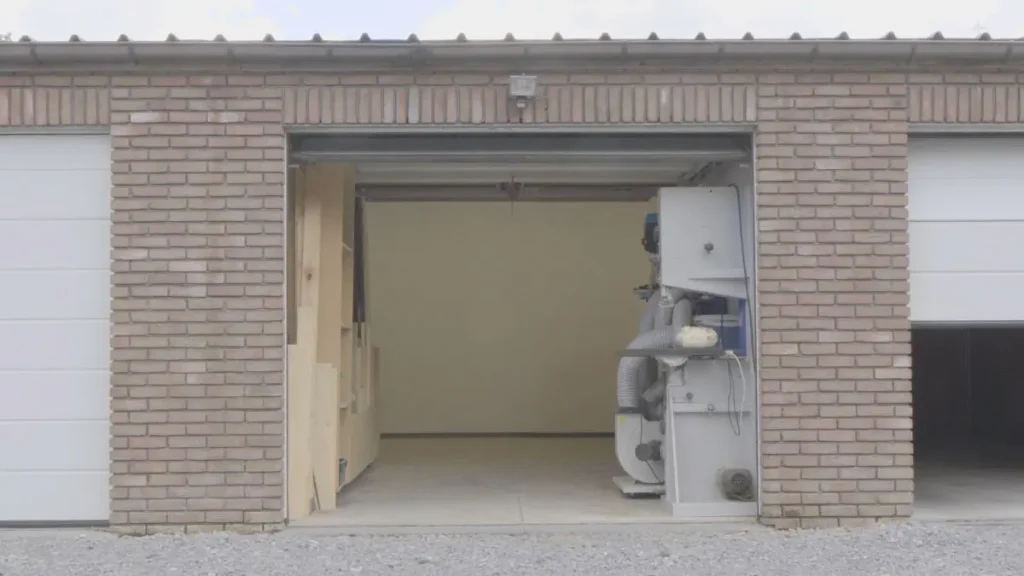
- I now work in a small one-car garage around 3×6 meters, where space limits what I build but rarely stop me from building at all.
- Most of what I share comes from adjusting projects to fit real spaces, not from designing an ideal setup that beginners rarely have.

– Updated on
Key Takeaways
– You’ll understand why space is rarely the real reason people struggle to start woodworking.
– You’ll see how small, temporary setups can still support meaningful beginner projects.
– You’ll notice which limits matter early on and which ones are easier to work around than expected.
– You’ll learn how adjusting project size often matters more than changing your workspace.
– You’ll understand how real shop experience in a small garage shapes calmer, more realistic expectations.
Disclosure: At zero cost to you, I may get commissions for purchases made through links in this post. I earn from qualifying purchases as an Amazon associate. Products featured are selected based on quality, performance, and reputation, regardless of affiliate relationships.
Table of Contents
Woodworking Without a Shop Is Not the Limiting Factor
This is often the part that surprises people. Woodworking without a shop is rarely what prevents someone from starting. What usually gets in the way is the belief that a shop is a requirement. A fixed bench. Permanent machines. A room that stays untouched between sessions.
In practice, woodworking without a shop simply means working with what you have. A temporary surface. Tools that move in and out. Projects that fit the space instead of fighting it. When people ask whether woodworking without a shop is realistic, they are often really asking whether their current situation is good enough. In most beginner cases, it is.
You do not need a dedicated room to cut, drill, sand, or assemble small projects. You need enough room to work safely and the habit of resetting the space afterward. That difference matters far more than square footage. Even now, working from a small one-car garage, I still adjust what I build. That way of thinking started long before I had anything resembling a fixed shop.
This is why the question of whether you need a workshop to start woodworking deserves a calm answer. The workshop comes later. The work comes first. Early progress often looks like starting woodworking without a dedicated space (link: “How to Start Woodworking (Beginner Roadmap Explained)” is under construction), where flexibility matters more than permanence.
What Counts as a Good Enough Space for a Beginner?
A good enough space is not defined by size. It is defined by how easily you can use it and put it back. For many beginners, that means working at home without a dedicated room. A spare corner. A shared garage. Sometimes even a kitchen table that gets cleared afterward.
When people wonder whether beginners can do woodworking at home, they often imagine noise, dust, and chaos. In practice, most beginner projects are quiet and controlled if you choose them carefully. Small hand tools. Short work sessions. Simple assemblies. Woodworking without a shop often looks more like planning than force.
A few things make these setups workable:
- A surface that can handle clamps and light wear
- Tools that store vertically or in one place
- Projects that can pause without falling apart
That rhythm matters. You work. You clean. You move on. It is slower than a full shop, but it works.
Woodworking Without a Garage Is More Common Than You Think
Not having a garage often feels like a deal breaker. Woodworking without a garage sounds limiting on paper, yet it is one of the most common starting situations. Apartments. Sheds. Shared driveways. All of these still leave room for woodworking without a shop.
What changes is not what you can make, but how you approach it. Projects get broken into steps. Oversized panels are avoided. You think ahead about where parts rest between sessions. That mindset remains useful even later, in larger spaces. It is the same logic that applies when working from home with limited space, where flexibility matters more than permanence.
Small Spaces, Apartments, and Realistic Expectations
When someone mentions starting woodworking in an apartment, expectations need to shift slightly. Not downward. Just sideways. Apartments are not ideal for large casework or loud machines, but they are perfectly suited for skill building.
Woodworking without a shop in an apartment often means focusing on parts rather than full builds. Shelves. Stools. Small cabinets. You learn layout, accuracy, and patience. Those skills transfer directly when space grows later.
It also helps to be honest about constraints. Noise matters. Dust control matters. Timing matters. None of this makes woodworking without a shop impossible. It simply means working within a tighter frame.
| Space Type | Typical Limit | What Still Works |
|---|---|---|
| Apartment room | Noise and storage | Hand tools, small assemblies |
| Shared garage | Time and access | Modular projects |
| One-car garage | Floor space | Most small furniture |
This is why woodworking without a shop remains relevant even as setups improve. The habits you build early tend to stay with you.
A Quick Reality Check From My Own Experience
There was a long stretch where my tools were stacked in a room and carried outside every time I wanted to work. Later, I worked from a garden shed. Nothing stayed set up. Every session started from zero. That forced me to choose projects carefully and accept slower progress.
Even now, working from a small one-car garage, space still shapes what I build. Cabinets take planning. Large panels take patience. The work itself is not harder. It is simply more deliberate. That mindset started when I had no shop at all, and it never really left.
When a Dedicated Shop Actually Becomes Useful
A dedicated shop becomes useful when projects start to fight the space instead of fitting inside it. Large cabinets. Full wardrobes. Repetitive production work. That is usually when the limits of woodworking without a shop become noticeable.
Until then, a fixed workshop is mostly a matter of convenience. It saves setup time. It reduces friction. It allows larger movements. But it does not suddenly unlock woodworking itself. That part happens much earlier.
You do not need to solve your future setup today. You only need enough room to work safely now. Later, if you decide to refine things, that naturally leads toward setting up a woodworking shop without wasting space.
Tip: If your space needs to return to normal after each session, build around that reality. Folding surfaces. Portable tools. Projects that rest vertically against a wall. Woodworking without a shop works best when nothing feels permanent.
What to Do Next If Space Is No Longer Holding You Back
Once the space question settles, attention naturally shifts to doing. Small builds. First mistakes. Learning how wood behaves. That is usually where confidence replaces doubt.
At that point, woodworking without a shop stops feeling like a limitation and starts feeling like a choice. This is often where simple woodworking projects that build real skills come into play, alongside the quiet realization that starting woodworking with no prior experience is less of a barrier than it once seemed.
The space did not change much. The mindset did.
A Few Last Thoughts
Starting woodworking rarely fails because of space. It usually stalls because the situation feels unfinished. Woodworking without a shop asks for a quieter kind of confidence. One that accepts limits without turning them into excuses.
Once that settles, the work feels simpler. Not easier. Just clearer. And clarity is often enough to move forward.
This supporting post lives inside a much larger path on my site, one that helps beginners move from doubt to a functional first workspace.
Main Guide:
Woodworking for Beginners: Best Guide to Start the Smart Way
This is the broad starting point, meant to calm the noise and help you see what actually matters when everything still feels new, including questions about the right woodworking shop space.
Second Guide Level (comes right after the main guide’s introduction):
How to Start Woodworking (Beginner Roadmap Explained)
This level narrows things down and focuses on choosing a workable area, realistic expectations, and the first decisions that shape how smoothly you begin.
Frequently Asked Questions
Do I really need a dedicated workshop to start woodworking?
No, you do not. Most beginners can start woodworking without a shop by adjusting the size and type of projects they build. What matters more than the space itself is being able to work safely and reset the area when you are done.
What is the minimum space needed for woodworking as a beginner?
There is no fixed measurement that applies to everyone. For many beginners, a small corner, a shared garage, or even a temporary setup at home is enough. The key is having room to move around your work safely and store tools when you are finished.
Is woodworking without a shop realistic if I only have limited time?
Yes, but it does require a bit more planning. Short, focused sessions and projects that can be paused easily make a big difference. Working this way often builds better habits early on.
Can you still make real projects when working at home without a workshop?
Absolutely. Many solid beginner projects are designed to be built in small spaces. The scale may be smaller, but the skills you learn carry over later when space becomes less of a concern.
Is woodworking without a garage going to hold me back long term?
Not in the beginning. A garage becomes more useful as projects grow larger, but early woodworking is mostly about learning how tools and materials behave. Those lessons do not depend on having a permanent space.






Leave a Reply