
After a while, standing on bare concrete starts to feel harder than it should. Feet get tense, knees tighten a little and you begin wondering what is an anti fatigue mat and whether it actually helps. The short answer is: it’s simply a cushioned pad under your feet that softens the impact of a hard floor so your body carries less strain while you work.
In my small 3 by 6 meter garage shop, I noticed that difference most during long sanding, fitting and assembly sessions at the bench. The floor never changed, but that bit of give under my feet made the hours feel lighter and my focus steadier.
So if you want a calm, clear sense of what these mats are and why they matter in a small workshop, we can take a quiet look at them together.
Why You Can Trust This Advice
- I work in a small 3 by 6 meter garage shop with a concrete floor, so long hours at the bench taught me how much difference a good anti fatigue mat actually makes.
- I used a cheaper mat before and later upgraded, and the contrast in support, cleanability and overall comfort was clear within the first week.
- I stand the longest while sanding, gluing and assembling parts, which is why I look for mats that stay firm, don’t bunch up and are easy to wipe when dust or glue ends up on them.

– Updated on
Key Takeaways
– You’ll understand what an anti fatigue mat actually does under your feet during slow woodworking tasks.
– You’ll see how a cushioned layer helps your joints stay more relaxed on concrete or plywood floors.
– You’ll notice where a mat makes the most sense in a small shop, especially near long bench work.
– You’ll understand the basic differences between foam and rubber mats without technical overload.
– You’ll see why choosing a mat that feels firm instead of mushy keeps you steady while you work.
Disclosure: At zero cost to you, I may get commissions for purchases made through links in this post. I earn from qualifying purchases as an Amazon associate. Products featured are selected based on quality, performance, and reputation, regardless of affiliate relationships.

Table of Contents
What Is an Anti Fatigue Mat in a Small Woodshop?
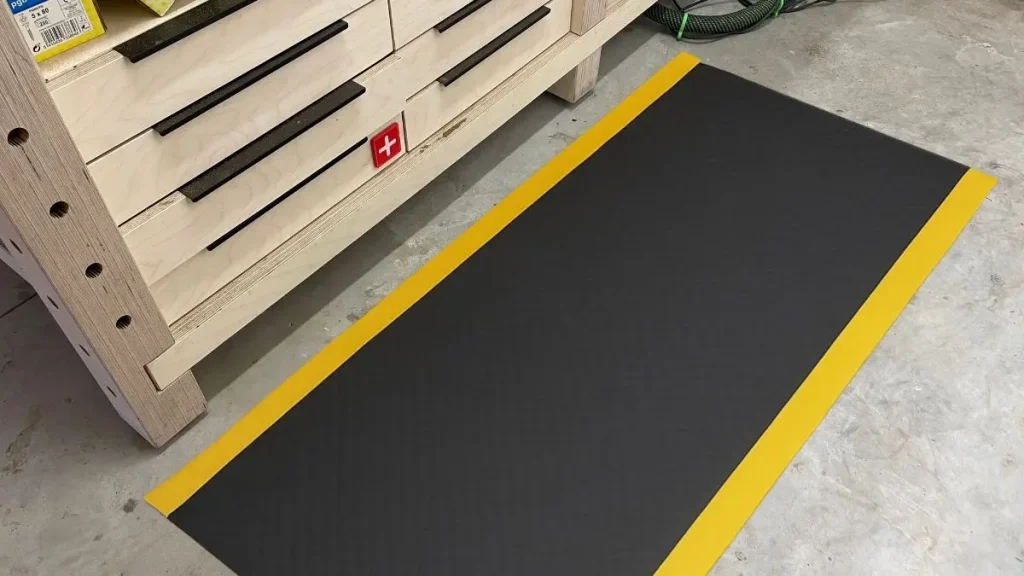
What is an anti fatigue mat might sound like a simple question, and it honestly is. It’s a cushioned pad that sits on the floor where you stand the longest. Its job is straightforward. It takes the blunt hardness out of concrete or plywood and gives your body a quieter landing place during slow, careful work. That small layer of softness changes the way pressure builds in your legs, knees and lower back. If you pause and feel it for a moment, that’s really all an anti fatigue floor mat is meant to do.
NOTE: An interlocking tile isn’t the same thing as an anti fatigue mat. It’s a different type of surface entirely, and if you’re not sure how those tiles work, the quick overview of what interlocking tiles are (article is under construction) clears that up right away.
Simple Definition That Actually Makes Sense
It helps to picture it as a support layer for your body. When you stand still while sanding, assembling or gluing, tiny impacts build up through your joints. A standing comfort mat spreads that pressure a little and gives your stance more quiet flexibility. It’s not decoration. It’s one more tool that carries a bit of the weight so your legs aren’t doing it alone.
Where You Typically Use It In a Woodshop
Most people place one in front of the workbench first. That’s where the hours stretch. Another common spot is near the saw station or any point where you pause to think, measure or adjust. In a small shop, one mat in the right place often matters more than trying to cover everything.
The feel under your feet can change if you check if your workshop floor is level before laying down a mat. Minor dips or twists in the slab sometimes shape where the cushioning helps the most. And if you find the floor feels cold in winter, it’s worth looking at how you can quietly fix a cold workshop floor so your footing stays comfortable.
How Does an Anti Fatigue Mat Work Under Your Feet?
This is the quieter side of the question. How does an anti fatigue mat work if it’s just a thin pad on the floor? The answer is small but meaningful. The mat softens the impact, distributes pressure more evenly and allows subtle movement so you never stay completely locked in one position. That tiny give matters more than most people expect.
What Happens When You Stand On Bare Concrete
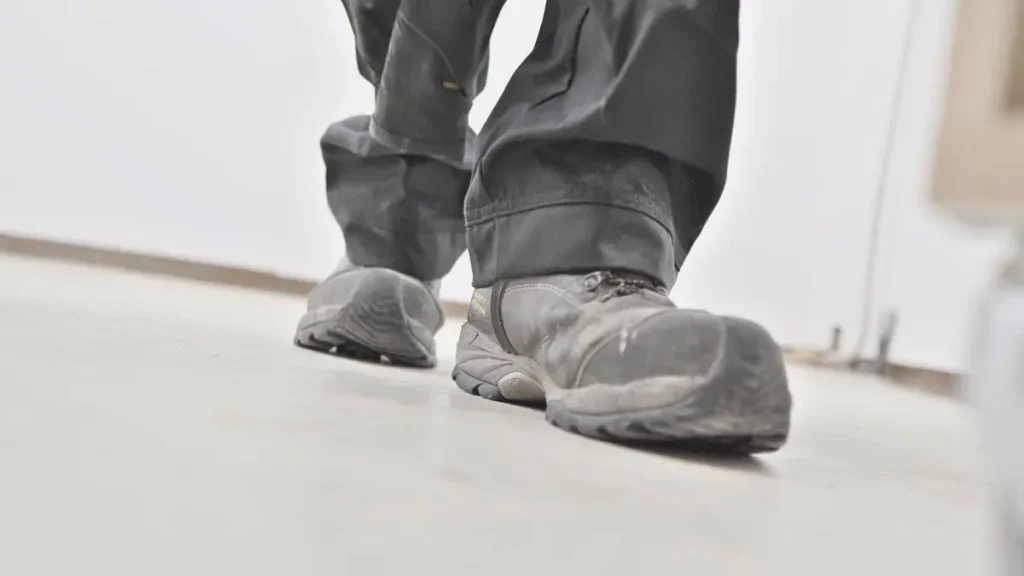
Concrete doesn’t flex. Every little shift of your weight sends force back through your feet and joints with almost the same intensity. On short tasks, you hardly notice. When time stretches, your knees tighten, ankles get stiff and your lower back carries the reminder. Long sanding sessions are usually where that feeling arrives first.
What Does an Anti Fatigue Mat Do?
A cushioned mat spreads pressure, invites tiny shifts in weight and stops your body from being pinned into one rigid position. And if you ever want to understand the underlying mechanics more quietly, it can help to look at how small layers like mats and insulation shape warmth when you insulate a workshop floor or seal up drafts.
If you ever want to look more closely at how an anti fatigue mat actually works, there’s a quiet logic in understanding how small shifts in pressure help your stance over longer sessions.
Key Benefits Of Anti Fatigue Mats For Small Workshops
The benefits of anti fatigue mats show up slowly at first. Less pressure in your knees. A looser feeling in your ankles. A little extra patience when you need to stand and think. These are practical gains that support your body and keep your attention where it belongs.
Comfort That Keeps You At The Bench Longer
Many woodworking tasks take time. Sanding, layout, assembly and hand fitting are patient hours. A small bit of softness under your feet keeps that time from settling too heavily in your legs. When the floor is less demanding, you stay focused longer and fine adjustments feel easier rather than rushed.
Safety, Grip And Less Awkward Movement
Stability matters around blades, bits and heavy parts. A mat that stays flat and has light grip makes you feel planted without being stiff. It also prevents dust from turning the floor into a slick surface. That little bit of control is one of the quiet safety perks of an anti fatigue floor mat.
Tip: If your shop budget is tight, start with one mat at the bench. See how your body feels over a week or two before adding more. A single good mat often does more than several thin ones spread everywhere.
When a mat helps most:
- Long sanding
- Careful assembly
- Hand tool work at the bench
- Standing at the saw station
If you’re setting up your shop from scratch, long term comfort often fits alongside small choices like adding basic protection so you quietly improve basic floor protection in high traffic areas.
What Are Anti Fatigue Mats Made Of And Which Type Fits Your Shop
What are anti fatigue mats made of usually comes up once you start thinking about comfort and durability. Most versions are foam, rubber or gel based cores. Each tries to balance softness, resilience and ease of cleaning. That balance matters when dust, grit and glue squeeze out land right under your shoes.
Foam, Rubber And Gel In A Woodworking Space
Foam feels softest and lightest. It gives easily and instantly takes the harshness out of concrete. But grit from sanding can shorten its lifespan. Rubber stands up better to abrasion, stays flatter over time and wipes clean more easily. Gel based mats usually sit in the middle, offering an even pressure spread that stays consistent through longer sessions at the bench.
None of these are perfect. Foam is gentle but needs care. Rubber is sturdy but slightly firmer. Gel has calm pressure but can be heavier. In a small workshop, choosing one often comes down to how you work and how messy your tasks are.
| Material | Feel Underfoot | Durability | Easy to Clean |
|---|---|---|---|
| Foam | Soft with more give | Lower | Medium |
| Rubber | Firm but supportive | Higher | High |
| Gel Core | Even, cushioned pressure | Medium to High | Medium |
If you’re still shaping the surface beneath your feet, it can be part of the same path where you choose workshop flooring carefully so mats and base layers suit each other.
Simple Checklist Before You Add Anti Fatigue Mats To Your Workshop Floor
Before you bring a mat into your space, a quick checklist helps. It’s nothing complex, just the handful of details that decide whether a mat fits your small shop and the way you move through it.
- how long you usually stand in the same spot
- whether you sand, assemble or glue at the bench
- the type of floor under you
- ease of wiping dust and glue
- firmness that supports without sinking
Where To Start In A Small Shop
Starting with a single mat at your bench is usually the easiest call. You’ll feel the difference almost quietly. And if your floor is still bare concrete, it often fits the same train of thought where you decide whether a concrete workshop floor is good before you invest in more comfort layers.
Basic Care And Cleaning For Workshop Mats
Wood dust, grit and dried glue will settle on almost anything. Light vacuuming and a simple wipedown now and then keep most mats feeling fresh. Sharp chips are really the only thing to avoid.
If you ever find yourself hesitating about lifespan or comfort, that usually sits close to the same reflections where you judge if anti fatigue mats are worth it in long term shop setups. And when the time comes to weigh actual options, people often drift naturally to the point where they look at the best anti fatigue mats for workshops to compare details.
A Few Last Thoughts
It’s interesting how something as quiet as what is an anti fatigue mat can change the feel of a small workshop. Just a bit of softness where you stand most turns long tasks into easier ones, without asking you to work any differently. If nothing else, it reminds me that the floor is part of the workspace too, shaping how our bodies hold up during the slow hours. And that’s usually enough to keep me paying attention to the simple things that make building feel better.
This sub-supporting post is part of a smaller path in my site structure, right below the main supporting article that led you here.
Cluster Post:
Learn How to Prepare a Woodworking Shop in 3 Easy Steps
The broader guide that places workshop flooring and comfort inside the bigger picture of getting a space ready to build.
Supporting Article (the one that leads into this supporting article):
A Clear and Simple Workshop Flooring Overview of All Types
The supporting article that brings flooring decisions closer, making it easier to see how a mat fits into the different ways your shop floor can be built up.
Frequently Asked Questions
What is an anti fatigue mat actually meant to do in a small workshop?
It eases the pressure that builds in your legs and lower back when you stand on a hard floor for long stretches. By adding a bit of give, it spreads weight more gently and helps your joints feel less stiff during slow bench work.
How thick should an anti fatigue mat be for woodworking tasks?
Many woodworkers settle on a mat that feels firm underfoot without sinking. If it’s too thin, it barely changes anything, and if it’s too soft, your ankles wobble. A moderate thickness that keeps you stable is usually all you need.
Do anti fatigue mats reduce leg pain after sanding or assembly sessions?
They can help. Standing on concrete or plywood for long periods tends to tighten the legs, especially during careful sanding and fitting. The benefits of anti fatigue mats is that it softens that load so your body feels less worn once the day slows down.
How long do anti fatigue mats last in a dusty, glue heavy workspace?
It depends on material and how you treat it. Regular vacuuming and wiping makes a real difference. I’ve noticed that sturdier mats keep their shape much longer when dust and glue spills are part of normal shop life.







Leave a Reply